Qinghai Lake Travel Guide with Breathtaking Plateau Views
By Jasmine
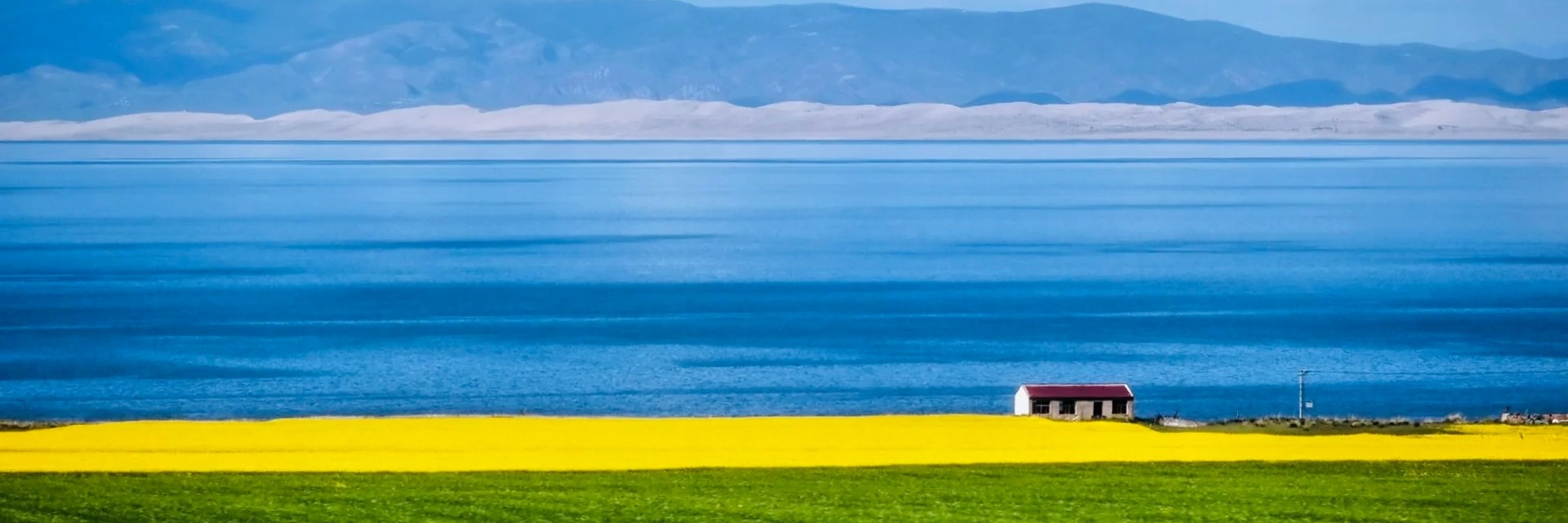
Welcome to Qinghai Lake, a destination that promises unforgettable moments and stunning vistas. This remarkable body of water, nestled high on the Tibetan Plateau, stands as China’s largest inland saltwater lake. It mirrors the vast sky, surrounded by expansive grasslands and majestic mountains. Located along a historic route of the Silk Road, this Qinghai Lake Travel Guide will help you discover the magic of this unique region, focusing on its natural beauty, rich culture, and practical travel insights.
Top Attractions and Activities Around the Qinghai Lake
Qinghai Lake offers a diverse range of attractions and activities, catering to nature lovers, culture enthusiasts, and adventure seekers alike. The vastness of the lake and its surroundings ensures there’s something for everyone to enjoy.
① Erlang Sword Scenic Area
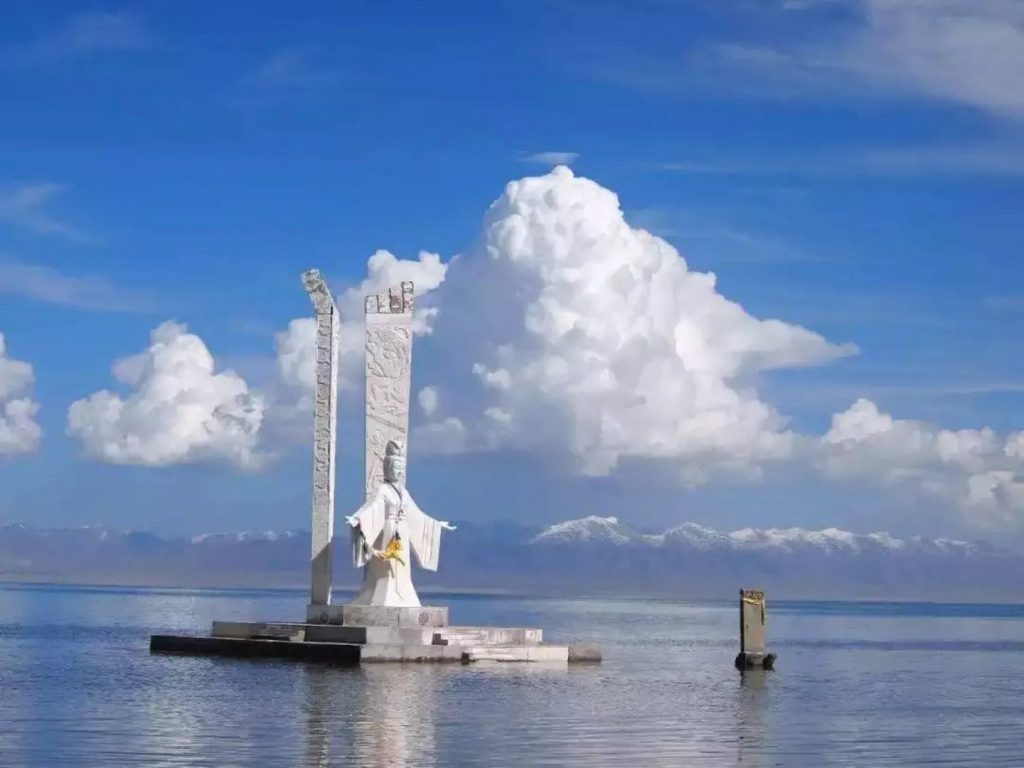
This is the most popular spot to experience the lake up close.
- What to see: Walk along the long wooden boardwalk that juts into the lake. The water is so clear you can see pebbles at the bottom, and the sky’s blue blends seamlessly with the lake’s hue. In summer, the surrounding grasslands are dotted with yellow and purple wildflowers.
- Unique experience: Rent a boat for a short cruise. From the water, you’ll feel surrounded by endless blue—with the Qinghai-Tibet Plateau’s vast sky above and distant mountains as a backdrop.
② Heimahe Township
Heimahe is famous for its sunrise views—one of Qinghai Lake’s most magical moments.
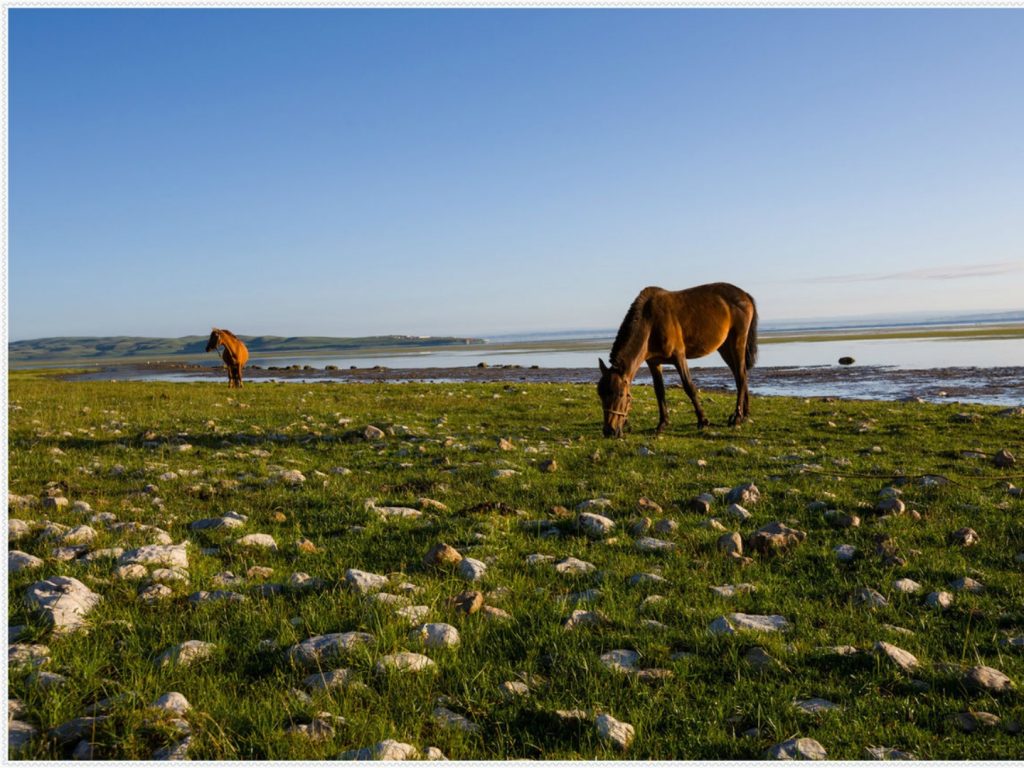
- What to see: Wake up early (around 5:30–6:00 AM in summer) and head to the lakeshore. As the sun rises, it paints the lake’s surface with golden light, turning the blue water into a shimmering mirror. The grasslands and yurts nearby add a pastoral touch to the scene.
- Pro tip: Bring a tripod for photos. The sunrise lasts only 15–20 minutes, so arrive 30 minutes early to secure a good spot.
③ Bird Island
Bird Island is a paradise for nature lovers, especially in spring.
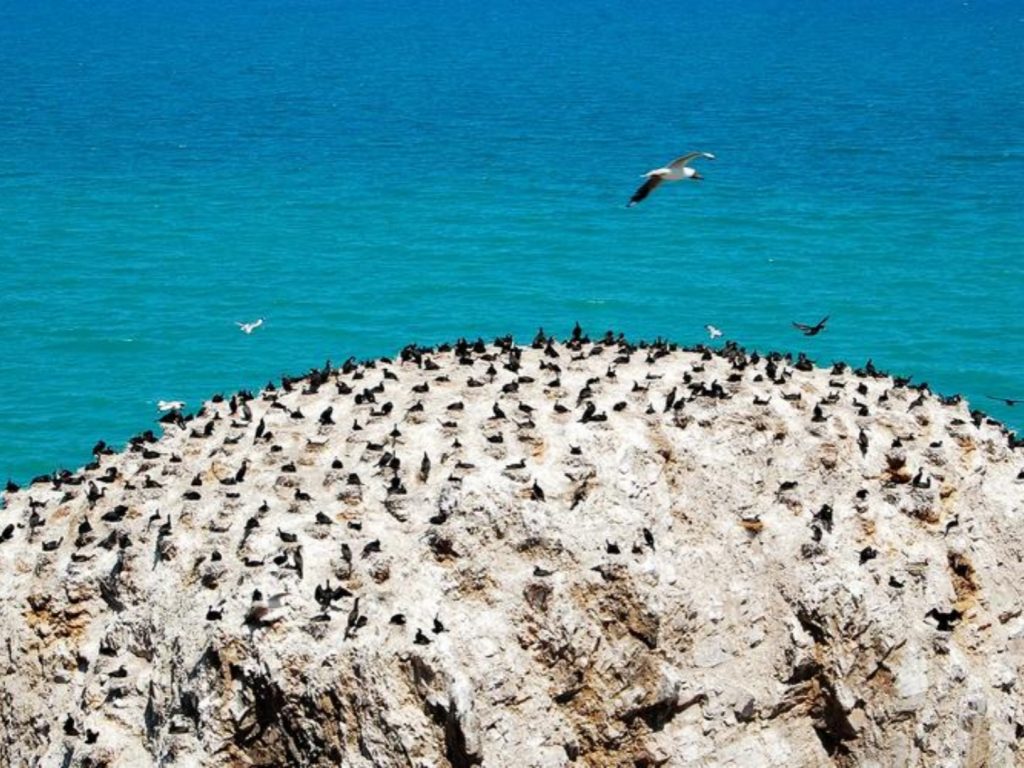
- What to see: From April to June, hundreds of thousands of migratory birds (like cormorants and seagulls) gather here to breed. Watch them fly over the lake or rest on the island’s rocks—their white wings contrast beautifully with the blue water.
- Note: The island is a protected area. Stay on designated paths to avoid disturbing the birds.
④ Chaka Salt Lake
While not part of Qinghai Lake itself, Chaka Salt Lake is a short drive away and a must-visit for plateau views.
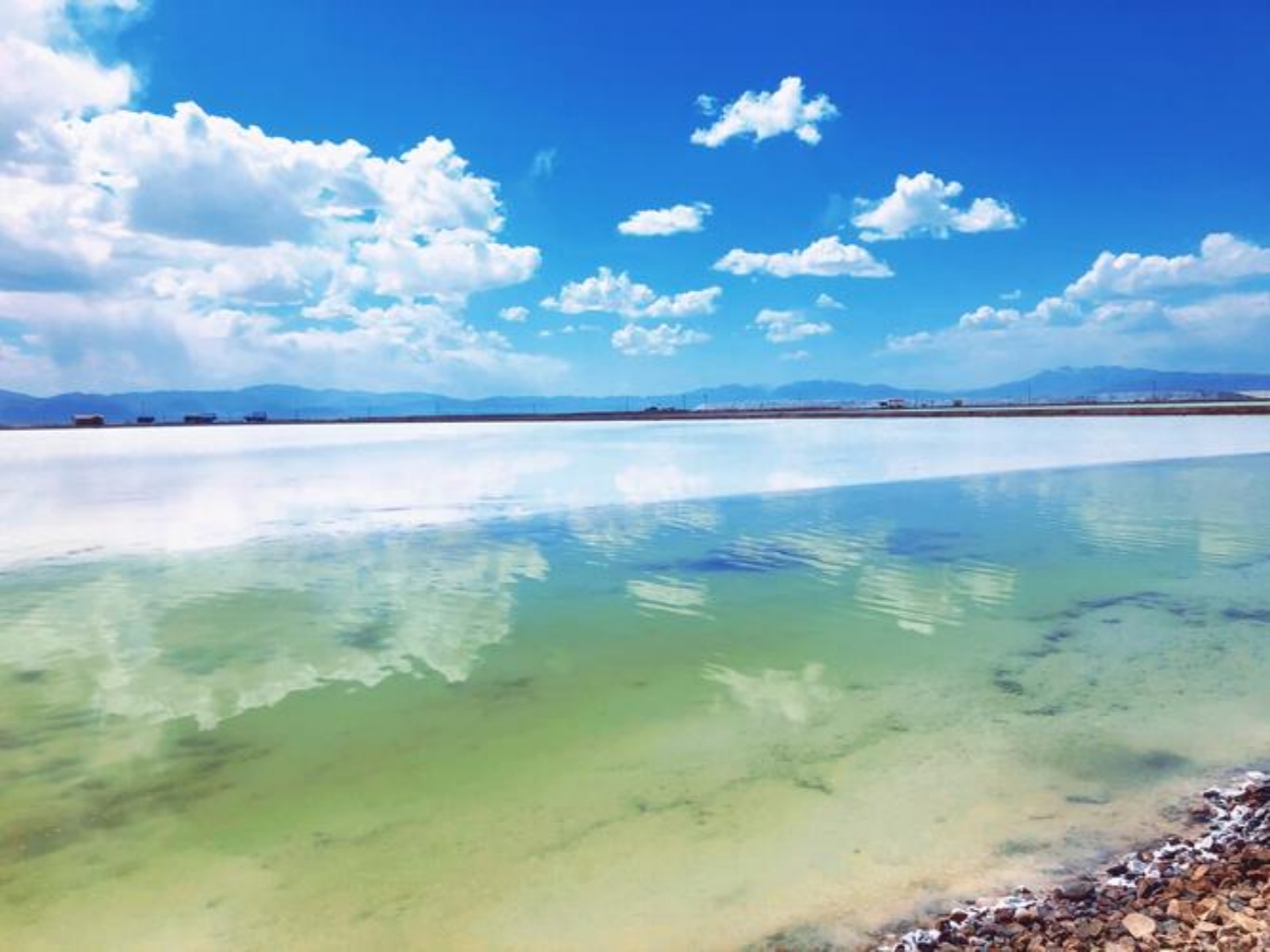
- What to see: Known as “China’s Sky Mirror,” the salt lake’s white surface reflects the sky perfectly on calm days. Walk on the salt flats and take photos that make it look like you’re standing in the clouds.
- Best time to visit: Mid-morning or late afternoon. Avoid midday when the sun is too harsh—soft light enhances the mirror effect.
⑤West Lake Road
Driving or cycling along West Lake Road is the best way to enjoy Qinghai Lake’s expansive beauty.
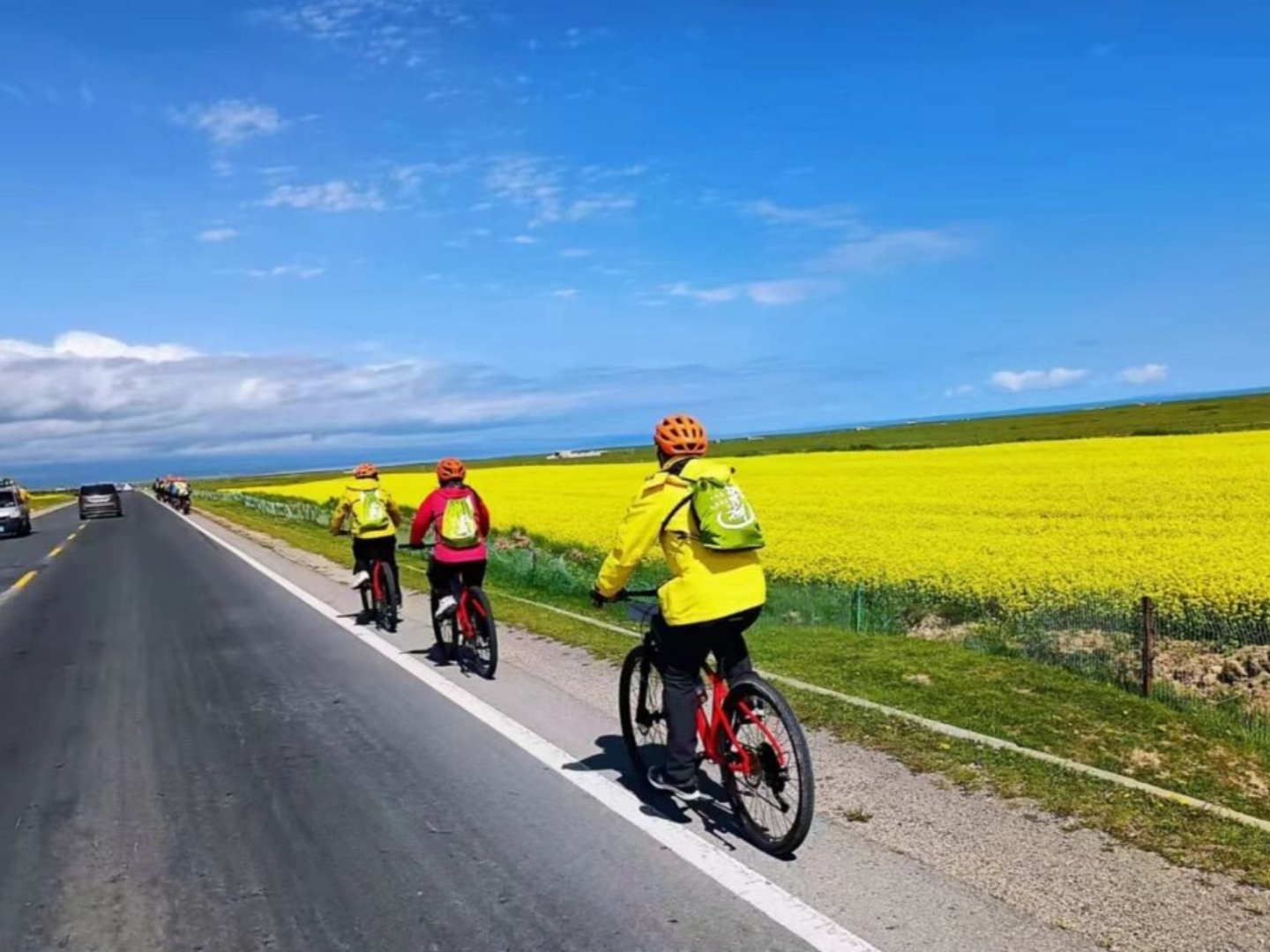
- What to see: The road runs parallel to the lake for dozens of kilometers. You’ll pass endless grasslands, flocks of sheep and yaks, and small Tibetan villages. Pull over at any scenic overlook to take in unobstructed views of the lake and plateau.
- Highlight: In July and August, the fields along the road are covered in golden rapeseed flowers—creating a stunning contrast with the blue lake and green grass.
2. Best Time to Visit for Stunning Views
The plateau’s seasons transform Qinghai Lake’s scenery. Choose the time that matches the views you want:
① Summer (June–August): Wildflowers & Rapeseed Blooms
Summer is Qinghai Lake’s most vibrant season.
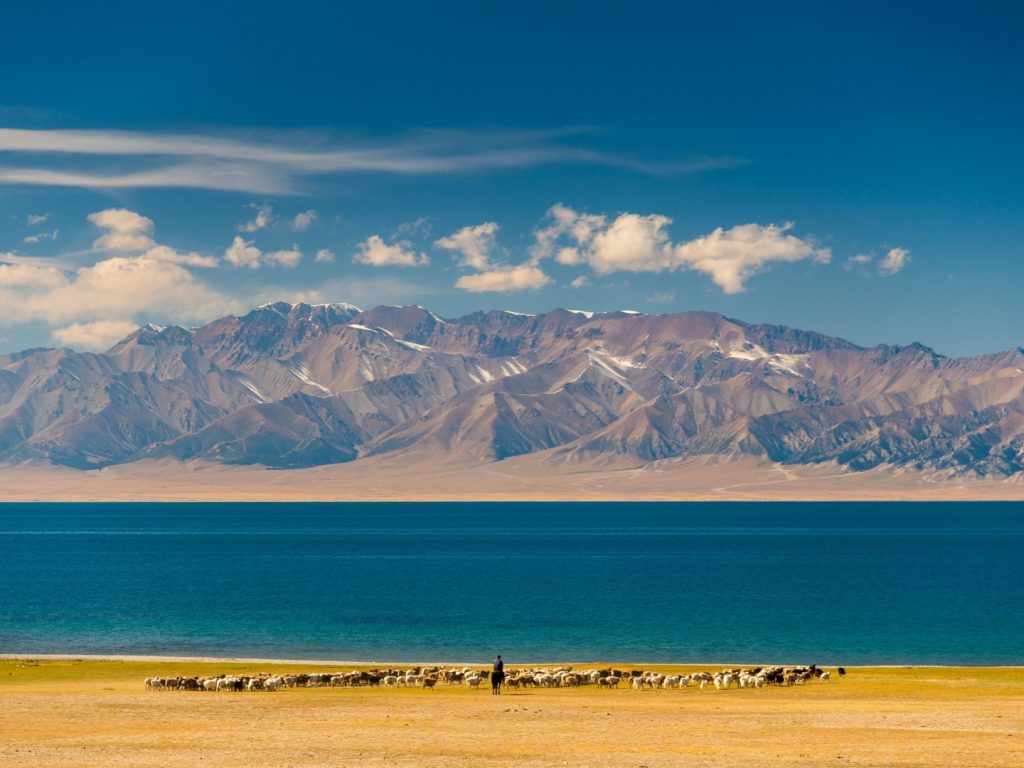
- What to enjoy: From late June to early August, golden rapeseed fields blanket the eastern and northern shores, contrasting beautifully with the blue lake and white clouds. Grasslands turn lush, and yaks graze freely.
- Weather note: Daytime temperatures range from 15–25°C, but nights are cool—pack a light jacket.
② Autumn (September–October): Golden Grasslands & Clear Skies
Autumn offers a more serene and golden beauty.
- What to enjoy: Grasslands glow golden under clear autumn skies, and the lake’s blue deepens against the warm landscape. Migratory birds arrive in September, bringing the shores to life.
- Pro tip: September offers clear views and fewer crowds than summer.
③ Winter (November–March): Snowy Plateau Wonderland
Winter is for travelers who love quiet and snow.
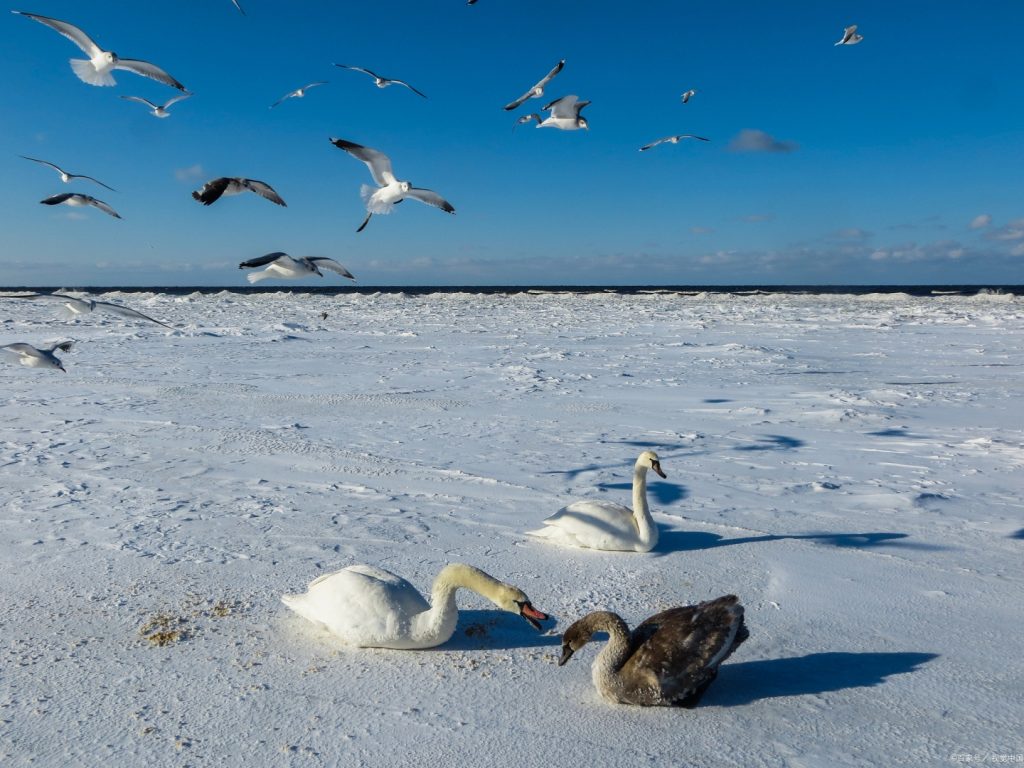
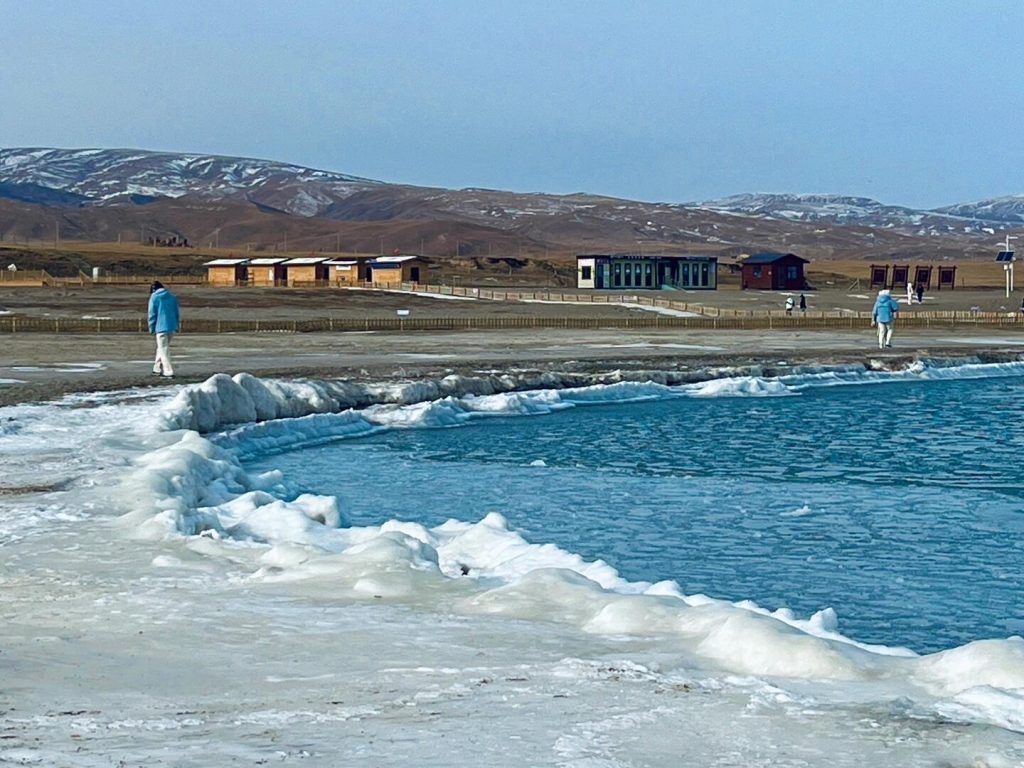
- What to enjoy: The lake freezes over, turning into a vast white expanse. Snow covers the grasslands and nearby mountains, creating a pure, peaceful scene. Some areas of the lake have thin ice, allowing you to see the blue water beneath the snow.
- Weather note: Winter is cold (-10–5°C during the day). Wear warm layers (thermal clothes, thick coats, gloves, and hats) to stay comfortable.
④ Spring (April–May): Migratory Birds & Awakening Grasslands
Spring is a time of renewal.
- What to enjoy: Bird Island comes alive with migratory birds. The grasslands start to turn green, and small wildflowers dot the landscape. The lake’s water is crisp and clear, with fewer tourists than summer.
3. How to Get to Qinghai Lake
Reaching Qinghai Lake is straightforward, with options for different travel styles:

① By Bus (Budget-Friendly)
- From Xining (Qinghai’s capital): Take a long-distance bus from Xining Railway Station Bus Terminal to Erlang Sword Scenic Area or Heimahe Township. Buses run hourly from 7:00 AM to 2:00 PM. The ride takes 2–3 hours.
- Tip: Buy tickets in advance during peak season. The buses are comfortable, and some have large windows for viewing the plateau scenery along the way.
② By Car/Taxi (Flexible)
- Self-driving: Rent a car in Xining and drive to Qinghai Lake. The most common route is via National Highway 109— the road is well-paved and has clear signs. The drive takes 2 hours (no traffic).
- Taxi: Hire a taxi from Xining for a round trip. Negotiate with the driver for a full-day tour, which lets you visit multiple spots (like Erlang Sword, Heimahe, and West Lake Road) at your own pace.
③ By Tour Group (Convenient)
- Join a day tour or multi-day tour from Xining. Tours include transportation, a guide, and visits to key spots. This is great if you don’t want to plan logistics.
- Benefit: Guides share insights about the plateau’s ecology and local Tibetan culture, enhancing your experience.
④ By Bike (Adventurous)
- For active travelers: Rent a bike in Xining or at Erlang Sword Scenic Area. Cycle along the lake’s shore roads. The flat terrain and gentle winds make it manageable for most riders.
- Tip: Cycle in the morning or late afternoon to avoid midday sun. Bring water and snacks—there are few shops along some stretches.
4. Practical Tips for a Smooth Plateau Trip
Qinghai Lake is on the Tibetan Plateau (around 3,200 meters above sea level). These tips help you stay safe and enjoy the views:
① Prepare for High Altitude
- Drink plenty of water (3–4 liters a day) to avoid altitude sickness. Avoid alcohol and strenuous exercise for the first 24 hours.
- If you feel dizzy or short of breath, rest in a shaded area. Most symptoms pass within a day as your body adjusts.
② Protect Yourself from the Sun
- The plateau’s UV rays are strong. Wear sunscreen (SPF 50+), a wide-brim hat, and sunglasses. Even on cloudy days, sunburns can happen quickly.
③ Dress for Changing Weather
- The plateau’s weather changes fast—sunny mornings can turn into windy afternoons. Wear layers that you can add or remove easily. A waterproof jacket is useful for sudden rain showers.
④ Respect Local Culture
- Qinghai Lake is sacred to Tibetans. Do not litter, pick flowers, or disturb yaks and sheep. Ask permission before taking photos of local Tibetan people.
- Avoid stepping on prayer flags or sacred sites (marked by stone piles called “mani stones”).
⑤ Stay Hydrated and Eat Light
- Bring a reusable water bottle. Drink warm water when possible—local restaurants and guesthouses offer hot water for free.
- Eat light, easy-to-digest meals (like noodles or rice) to avoid stomach discomfort. Try local Tibetan yogurt for a refreshing snack.
Qinghai Lake offers a unique blend of natural beauty and cultural depth. Its vast blue waters, golden rapeseed fields, and distant mountains create postcard-perfect views. For Tibetans, the lake holds deep spiritual meaning, inviting visitors to experience local traditions with respect. Whether cycling, birdwatching, or simply admiring the plateau’s grandeur, Qinghai Lake promises lasting memories in a place where nature’s majesty truly unfolds.