Hexi Corridor Travel Guide: Silk Road Route & Attractions
The Hexi Corridor is a historic route through Gansu Province, northwest China, and an important section of the ancient Silk Road. Today, it is known for Silk Road heritage, Zhangye’s Danxia landscapes, Jiayuguan’s Great Wall sites, and Dunhuang’s Mogao Caves and desert scenery.
A 5–7 day trip is enough to cover the main route at a reasonable pace, while longer trips can include Wuwei or continue toward Xinjiang. This guide covers the main attractions, itineraries, transportation, best time to visit, and practical travel tips.
Hexi Corridor at a Glance
| Item | Details |
|---|---|
| Location | Gansu Province, Northwest China |
| Chinese Name | 河西走廊 (Héxī Zǒuláng) |
| Famous For | Silk Road history, desert scenery, Buddhist art, Great Wall sites |
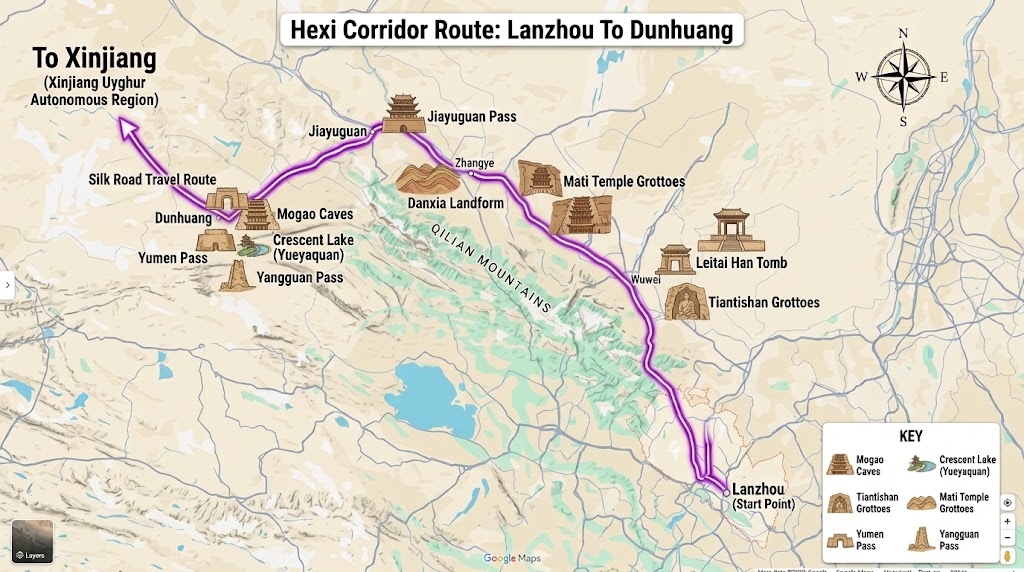
| Modern Travel Route | Lanzhou → Wuwei → Zhangye → Jiayuguan → Dunhuang |
| Approx. Route Length | About 1,000+ km depending on route |
| Recommended Duration | 5–7 days |
| Best Time to Visit | May–June and September–October |
| Main Highlights | Zhangye Danxia, Jiayuguan Pass, Mogao Caves, Mingsha Mountain |
| Best Travel Style | High-speed rail + local/private transfers |
You do not need to visit every city on one trip. For first-time travelers, the Zhangye–Jiayuguan–Dunhuang route covers many of the region’s main attractions.
Quick Guide to Hexi Corridor Travel
What Is the Hexi Corridor?
The Hexi Corridor is a long and narrow passage in western Gansu Province, running between the Qilian Mountains to the south and the deserts and mountain ranges to the north.
The name “Hexi” literally means “west of the Yellow River”. The corridor became an important route because its relatively fertile oasis areas provided water and farmland in an otherwise dry region.
Is the Hexi Corridor Part of the Silk Road?
Yes. The Hexi Corridor was an important section of the ancient Silk Road, connecting China with Central Asia and regions farther west.
Merchants, travelers, armies, and religious figures passed through the corridor, contributing to the exchange of goods, religions, art, and ideas. Today, sites such as Buddhist grottoes, ancient settlements, and Great Wall fortifications reflect its Silk Road heritage.
Where Is the Hexi Corridor
The historic corridor extends across northern Gansu, with major destinations including:
- Wuwei
- Zhangye
- Jiayuguan
- Dunhuang
Lanzhou is commonly used as the eastern gateway for modern travelers, although it is not usually considered part of the narrowest historical definition of the Hexi Corridor.
As you travel west, the scenery gradually changes from river valleys and agricultural areas to dry plains, colorful rock formations, Gobi landscapes, and desert.
Best Places to Visit Along the Hexi Corridor
The Hexi Corridor is best experienced as a journey from east to west. The journey passes through several historic cities, each with a different character.
1. Lanzhou: Eastern Gateway to the Hexi Corridor
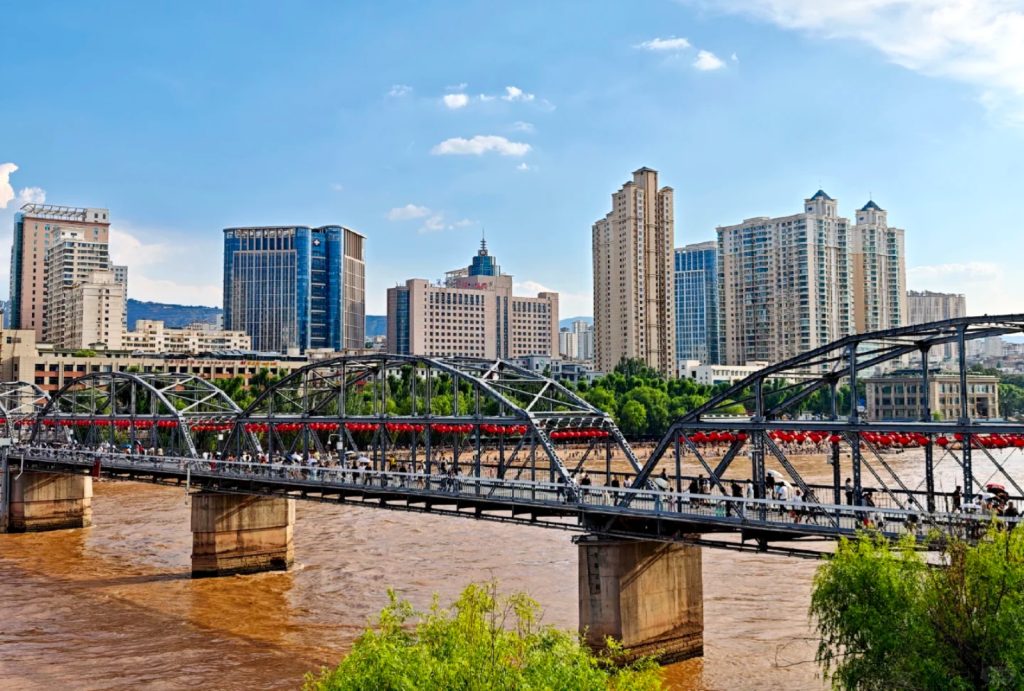
Lanzhou is a practical starting point for a westbound journey through Gansu. Located along the Yellow River, the city combines river scenery, Silk Road history, museums, and local food.
- Best for: First-time visitors, Silk Road history, local food
- Recommended stay: 1 day
Yellow River & Zhongshan Bridge
Walk along the Yellow River and cross historic Zhongshan Bridge for views of the city and surrounding mountains.
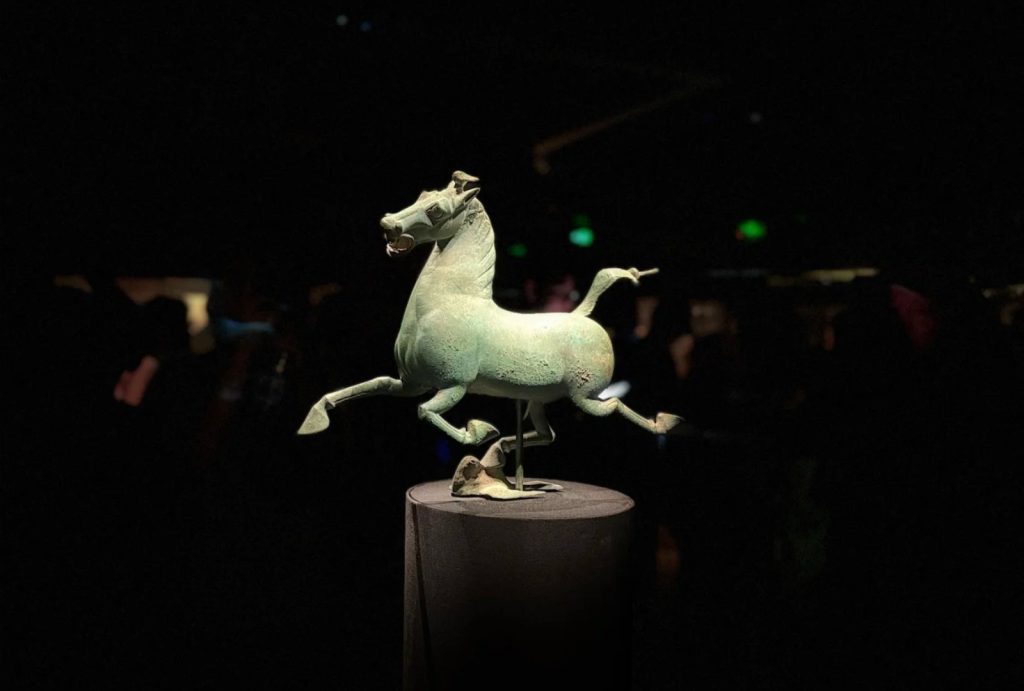
Gansu Provincial Museum
One of its best-known exhibits is the Bronze Galloping Horse, which was discovered at the Leitai Han Tomb in Wuwei. The museum is a useful first stop if you want historical context before visiting the archaeological sites farther west.
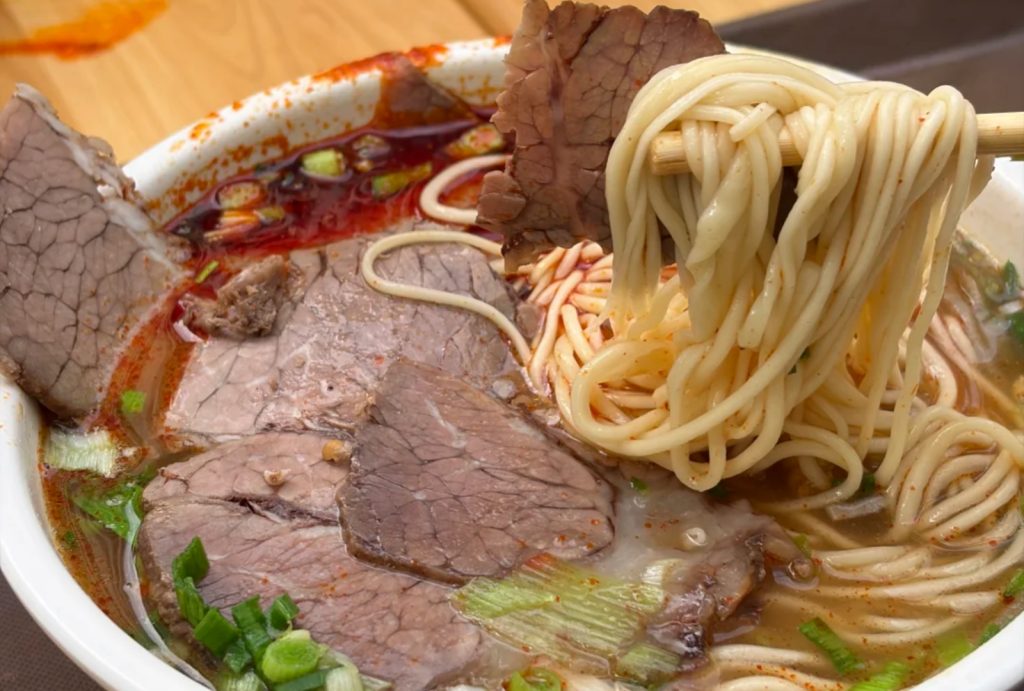
Try Lanzhou Beef Noodles
Lanzhou is famous for beef noodles, traditionally served with hand-pulled noodles, clear beef broth, beef slices, radish, herbs, and chili oil.
2. Wuwei: Han Dynasty History and Silk Road Heritage
Wuwei is particularly interesting for travelers interested in Han Dynasty history and archaeology.
- Best for: Han Dynasty history, archaeology, Buddhist heritage
- Recommended stay: 1 day
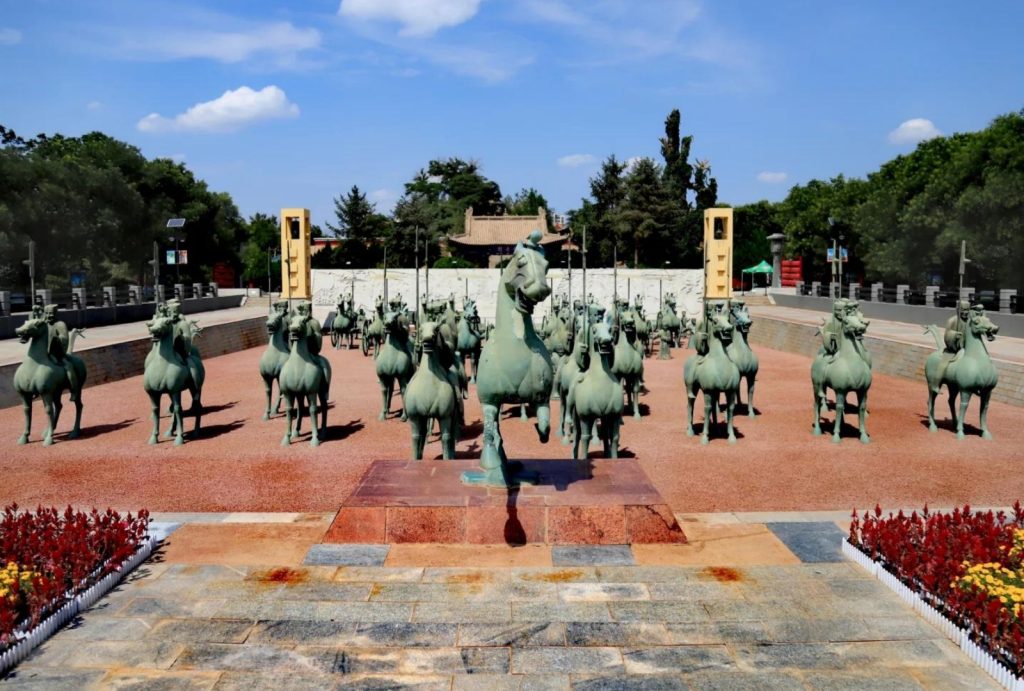
Leitai Han Tomb
The Leitai Han Tomb is the archaeological site where the famous Bronze Galloping Horse was discovered. The original bronze is now displayed at the Gansu Provincial Museum in Lanzhou.
The tomb complex provides a useful introduction to the importance of Wuwei during the Han period.
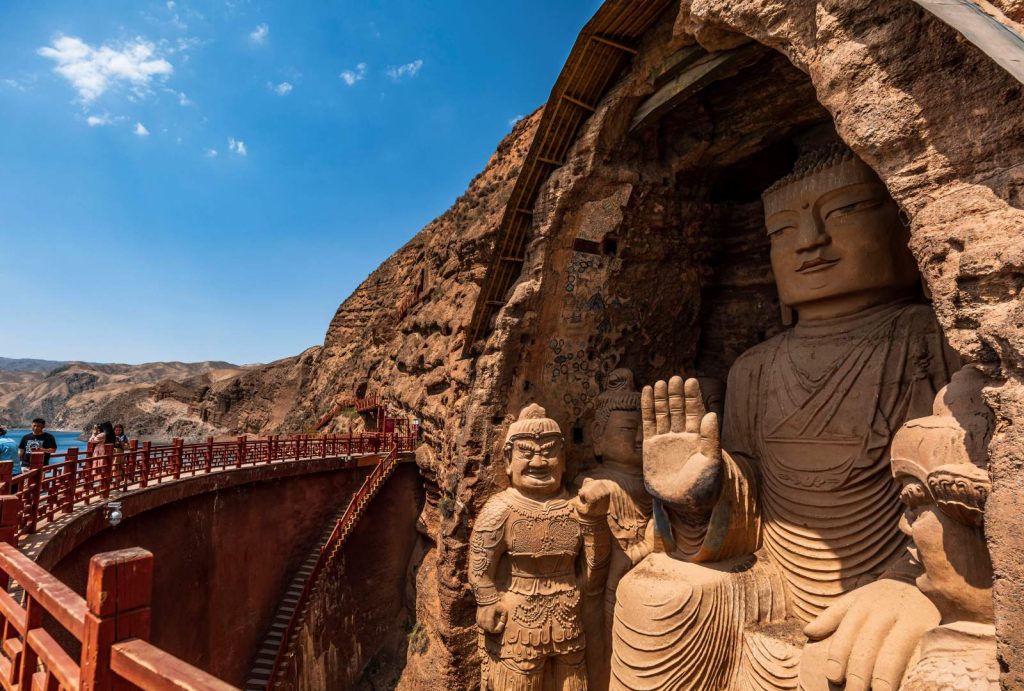
Tiantishan Grottoes
Located outside Wuwei, the Tiantishan Grottoes are among the area’s important Buddhist heritage sites. The grottoes are set against a mountainous landscape and provide an earlier Buddhist-art context before reaching the better-known Mogao Caves in Dunhuang.
3. Zhangye: Colorful Mountains and Buddhist Heritage
Zhangye is one of the most scenic stops on the Hexi Corridor, known for its colorful Danxia landscapes and Buddhist heritage.
- Best for: Natural scenery, photography, Buddhist heritage
- Recommended stay: 1–2 days
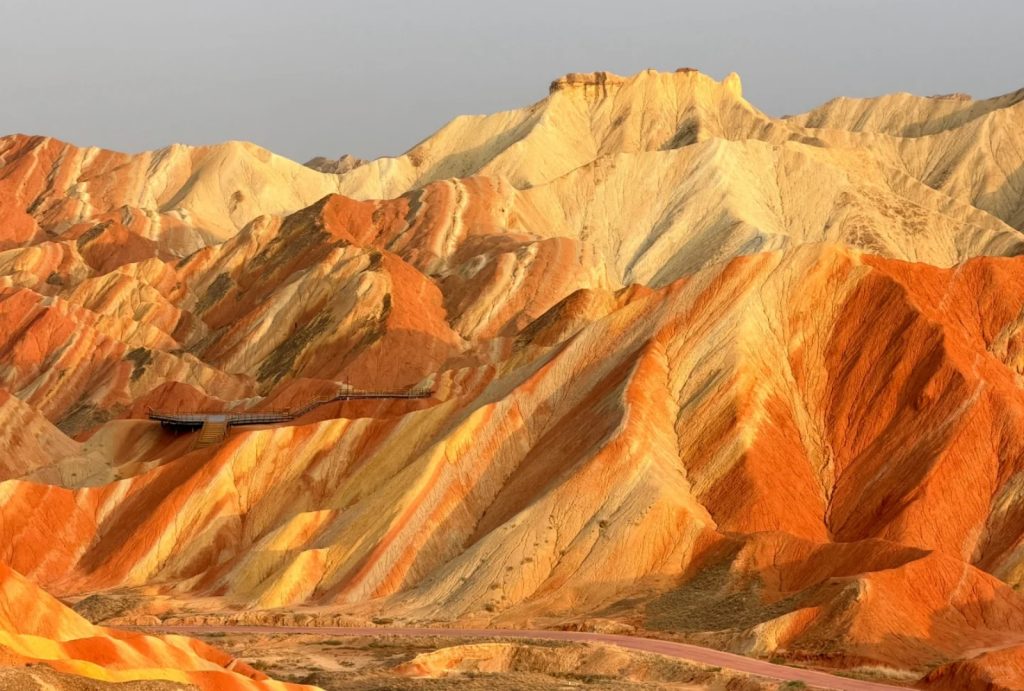
Zhangye Danxia National Geopark
Zhangye Danxia landform is famous for its colorful layers of red, orange, yellow, and gray rock.
The landscape was shaped by geological processes over millions of years. Several viewing platforms allow visitors to see different formations across the park.
Tip: Sunrise and sunset offer better light for photography. The viewing areas are spread across the scenic area and require movement between different platforms.
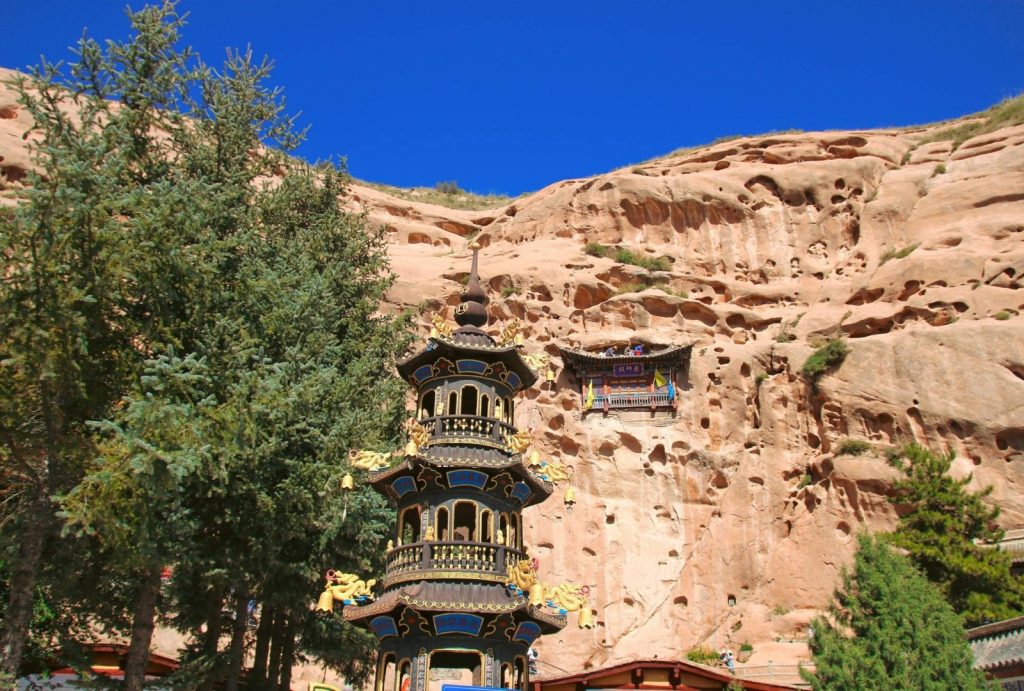
Mati Temple Grottoes
About 60 km south of Zhangye, Mati Temple is a Buddhist cave complex built into the cliffs. Visitors can explore cliffside caves, Buddhist sculptures, and mountain paths surrounded by dramatic scenery.
Allow at least half a day for the excursion, and more time if you want to explore the surrounding area at a slower pace.
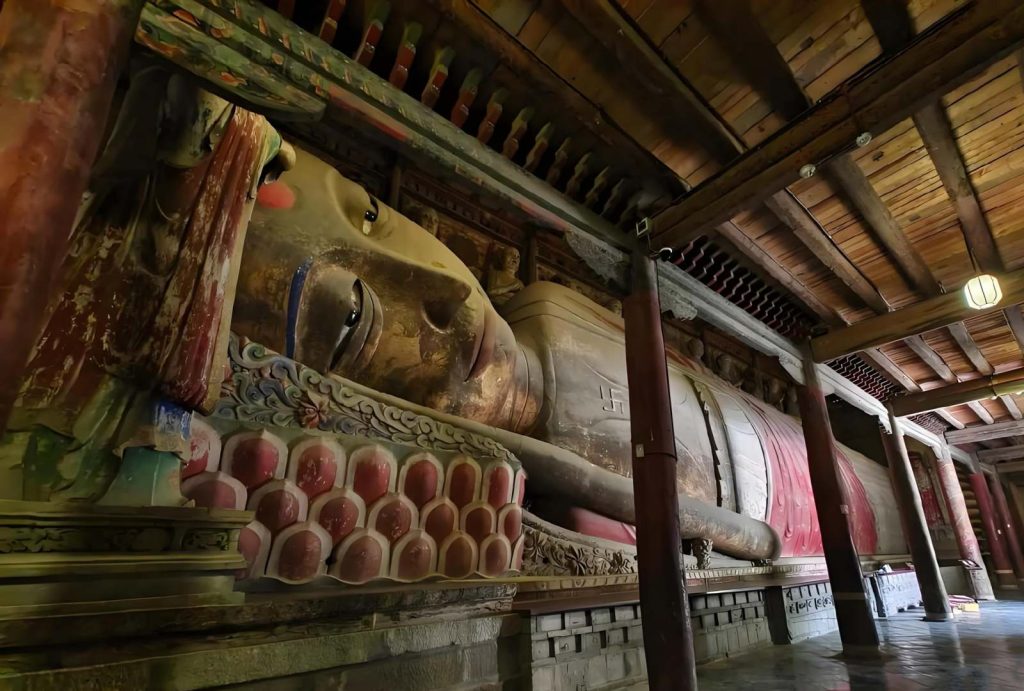
Zhangye Giant Buddha Temple
Located in the city center, the Giant Buddha Temple houses one of China’s largest indoor reclining Buddha statues and is an easy cultural stop within Zhangye.
4. Jiayuguan: Where the Great Wall Meets the Desert
Jiayuguan represents the military and frontier history of the Hexi Corridor.
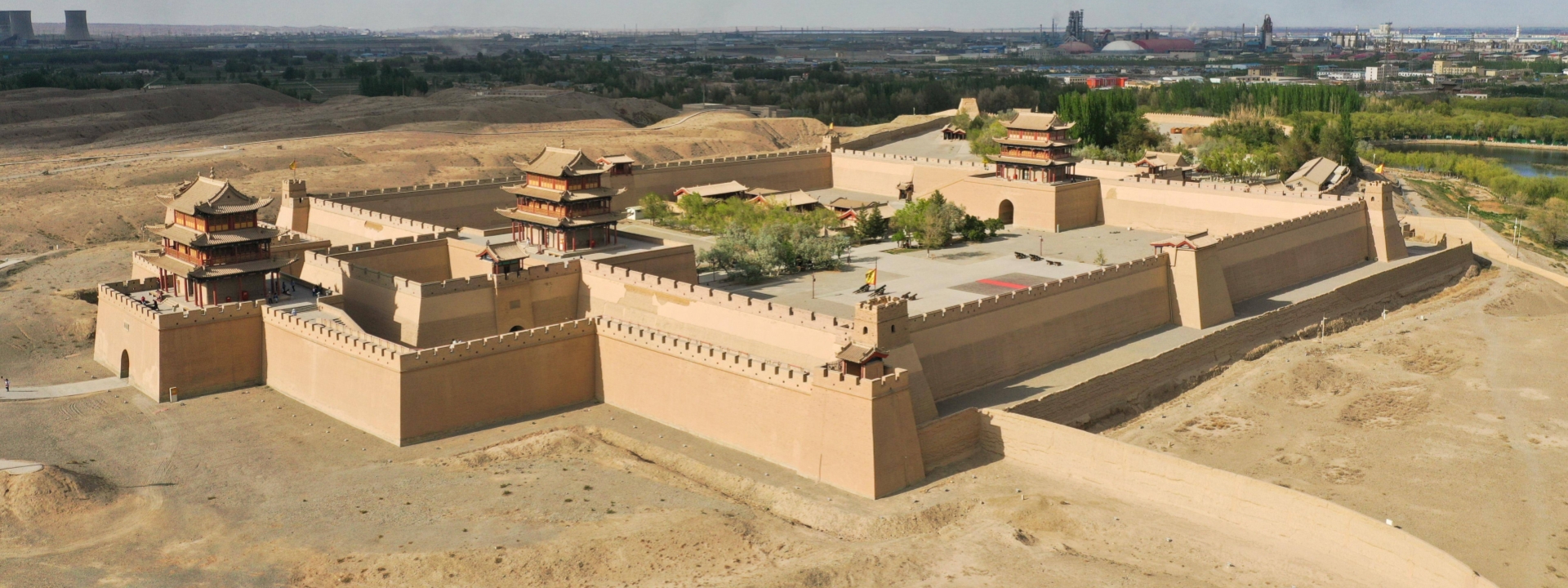
The city developed around Jiayuguan Pass, an important fortified position on the western side of the Ming Great Wall system.
- Best for: Great Wall history, desert landscapes, military heritage
- Recommended stay: 1 day
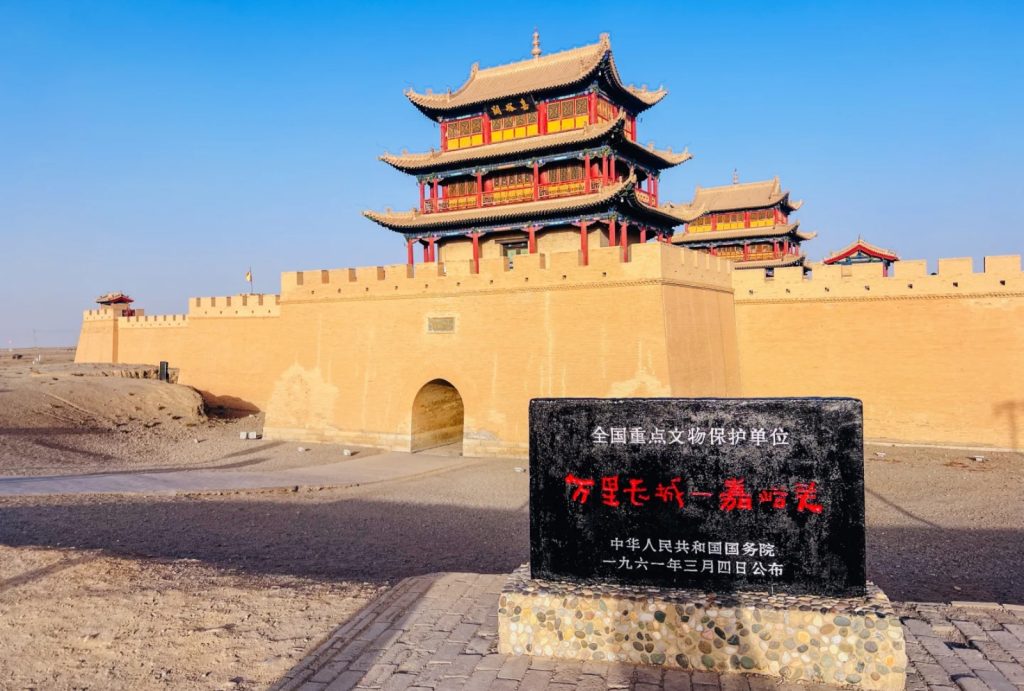
Jiayuguan Pass
Jiayuguan Pass is one of the westernmost surviving sections of the Ming Great Wall.
Visitors can explore:
- fortress walls
- watchtowers
- ancient military structures
Standing on the fortress walls, travelers can see the surrounding desert landscape and understand why this location was strategically important.
Overhanging Great Wall
This section of the Great Wall climbs a mountain ridge outside Jiayuguan.
Compared with the famous Great Wall sections near Beijing, it offers a quieter experience with views over the Gobi Desert.
First Beacon Tower
Located near the edge of the Jiayuguan area, this site marks the western end of the Ming Great Wall system.
5. Dunhuang: Mogao Caves and Silk Road Heritage
Dunhuang is usually the western highlight of a Hexi Corridor journey.
This desert oasis became one of the most important Silk Road cities because multiple routes met here.
- Best for: Silk Road history, Buddhist art, desert landscapes
- Recommended stay: 2–3 days
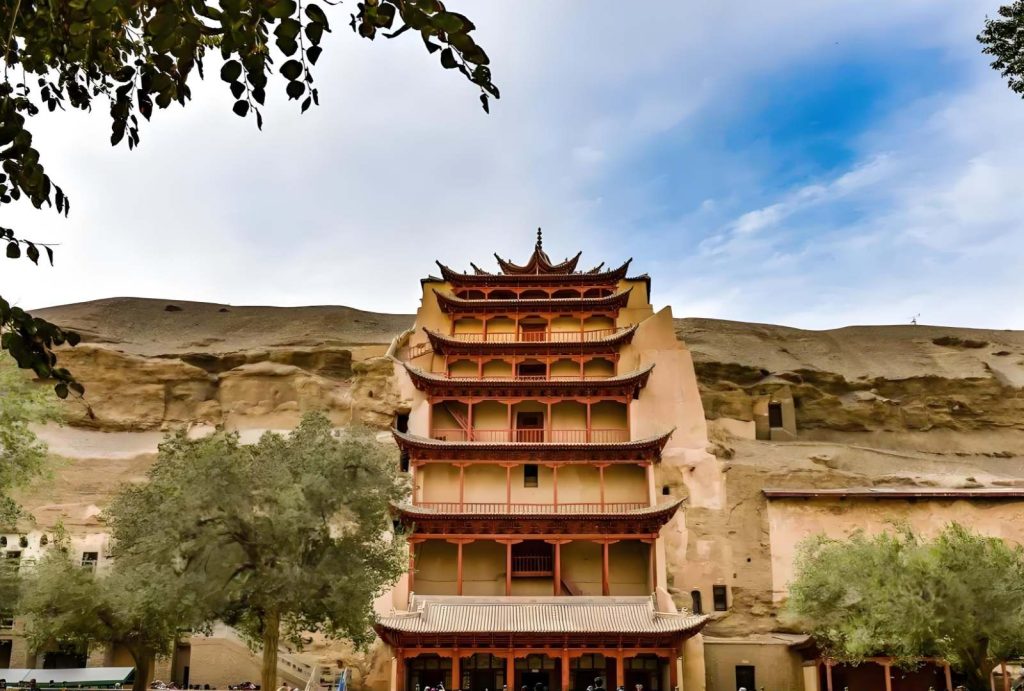
Mogao Caves
The Mogao Caves are Dunhuang’s most famous attraction and one of China’s most important collections of Buddhist art.
The caves contain:
- Buddhist murals
- sculptures
- historical records of Silk Road exchange
Visitor access is managed through a reservation system, so check the latest arrangements from the Dunhuang Academy before your trip and book in advance when required.
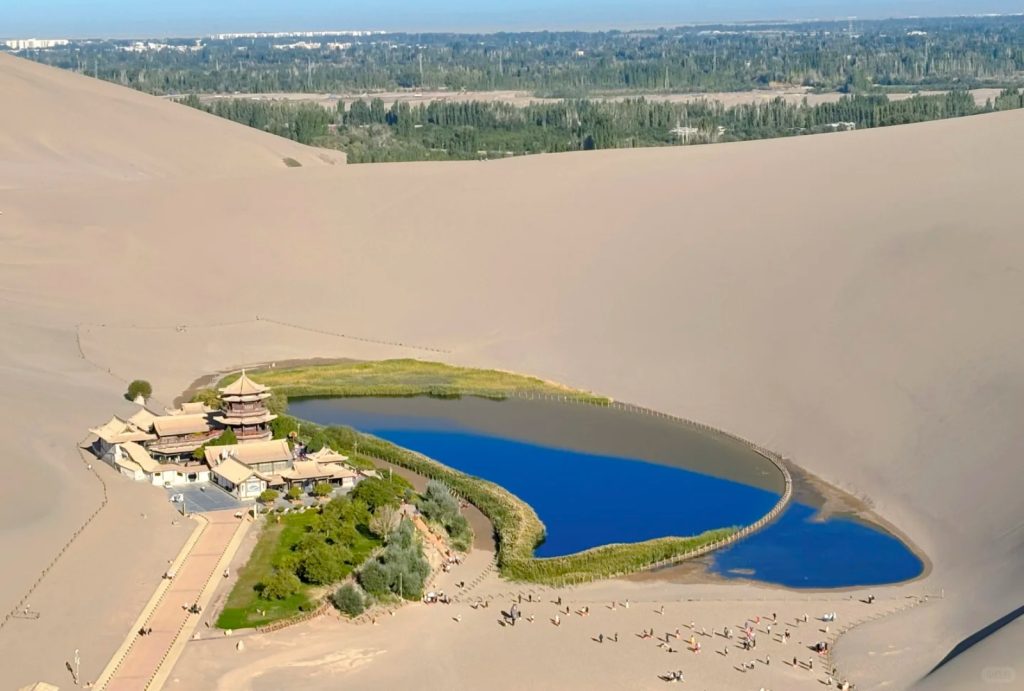
Mingsha Mountain and Crescent Lake
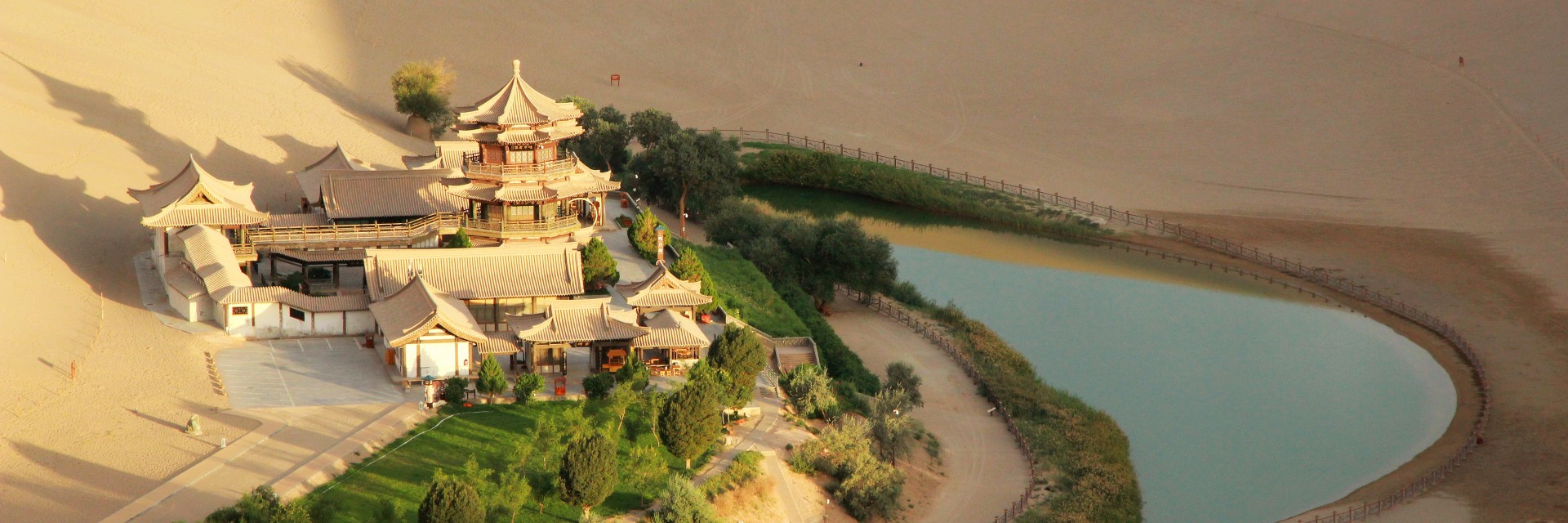
Located near Dunhuang city, Mingsha Mountain and Crescent Lake provide one of Dunhuang’s most recognizable desert landscapes.
Visitors can:
- walk on sand dunes
- ride camels
- watch sunset views
- see Crescent Lake surrounded by golden dunes
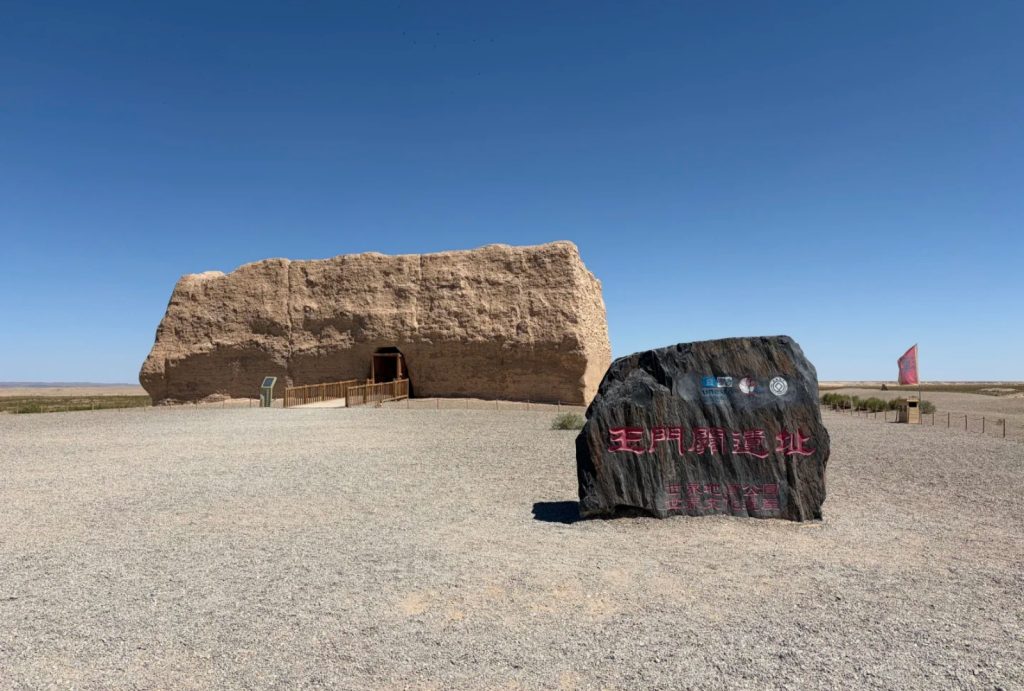
Yumen Pass and Yangguan Pass
These ancient passes were important gateways on the western Silk Road.
Although only ruins remain today, the surrounding desert landscape helps visitors imagine the historical importance of these locations.
How Many Days Do You Need for the Hexi Corridor?
The ideal length depends on whether you want to cover the main highlights or explore the corridor in greater depth.
| Trip Length | Best For | Suggested Route |
|---|---|---|
| 3–4 days | Short trips | Zhangye → Jiayuguan → Dunhuang |
| 5 days | First-time visitors | Lanzhou → Zhangye → Jiayuguan → Dunhuang |
| 6–7 days | A more relaxed journey | Lanzhou → Wuwei → Zhangye → Jiayuguan → Dunhuang |
| 8+ days | Deeper exploration | Add extra historical and cultural sites |
For most first-time visitors, 5–7 days offers a good balance between sightseeing and transportation.
If you have only 3–4 days, focus on the western section rather than trying to include every city.
Suggested Hexi Corridor Itineraries
Choose an itinerary based on your available time and how much of the Hexi Corridor you want to explore.
5-Day Fast-Paced Itinerary
This version is designed for travelers with limited time who still want to see the main highlights.
| Day | Route | Main Highlights |
|---|---|---|
| Day 1 | Lanzhou | Yellow River, Zhongshan Bridge, Gansu Provincial Museum |
| Day 2 | Lanzhou → Zhangye | Travel to Zhangye, explore the city |
| Day 3 | Zhangye | Zhangye Danxia National Geopark, Giant Buddha Temple |
| Day 4 | Zhangye → Jiayuguan → Dunhuang | Jiayuguan Pass, continue west to Dunhuang |
| Day 5 | Dunhuang | Mogao Caves, Mingsha Mountain and Crescent Lake |
This itinerary is possible, but Day 4 is long and leaves limited time for Jiayuguan. If Jiayuguan’s Great Wall sites are a priority, choose the 7-day itinerary instead.
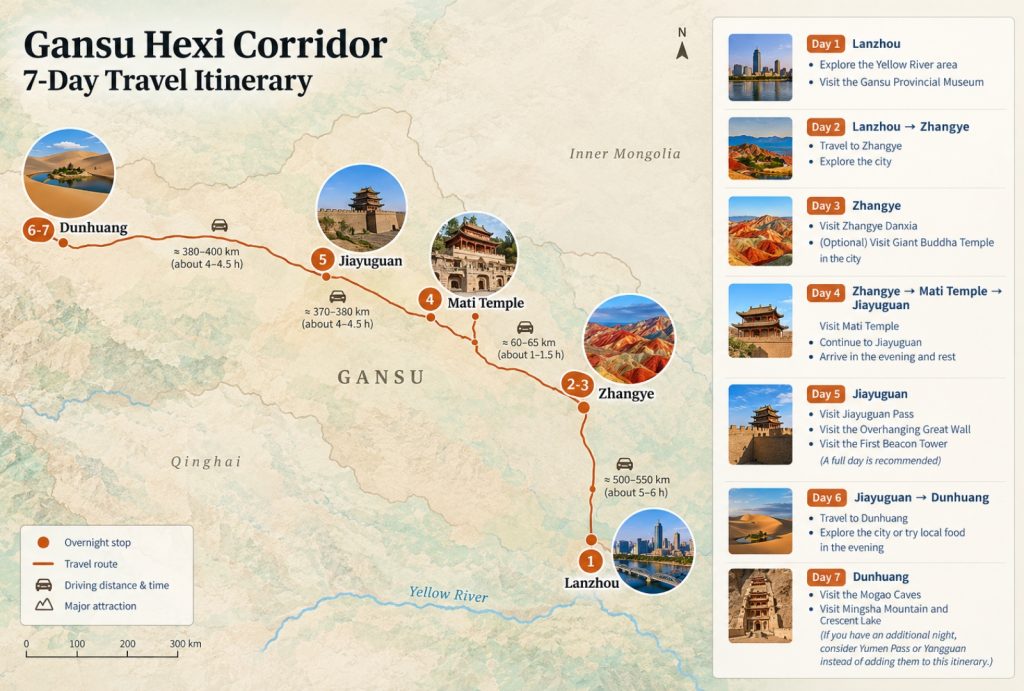
7-Day Itinerary: A More Comfortable Pace
With seven days, you can explore the main highlights of the Hexi Corridor at a more relaxed pace, with enough time for cultural sites, natural scenery, and travel between destinations.
Key highlights:
- Days 1–2: Lanzhou and Zhangye
- Day 3: Zhangye Danxia and Giant Buddha Temple
- Day 4: Mati Temple and transfer to Jiayuguan
- Day 5: A full day visiting Jiayuguan Pass
- Day 6: Travel from Jiayuguan to Dunhuang
- Day 7: Mogao Caves and Mingsha Mountain & Crescent Lake
If you have an additional night, consider adding Yumen Pass or Yangguan rather than fitting them into an already full day.
8–10-Day Extended Silk Road Journey
Travelers with more time can extend the Hexi Corridor journey eastward to Xi’an or westward toward Xinjiang.
A classic extended route is:
Xi’an → Lanzhou → Wuwei → Zhangye → Jiayuguan → Dunhuang
From Dunhuang, travelers with additional time can continue toward Turpan, Urumqi and discover more of Xinjiang.
Best Time to Visit the Hexi Corridor
May–June and September–October offer a good balance of comfortable weather and sightseeing conditions.
- Spring (March–May): Mild but can be windy and dusty, especially in desert areas.
- Summer (June–August): Hot, particularly in Dunhuang. Plan outdoor activities in the morning or late afternoon.
- Autumn (September–October): Comfortable temperatures and clear skies make it a good season for sightseeing and photography.
- Winter (November–February): Cold but quieter, with fewer visitors and good conditions for winter scenery.
Weather can vary along the route, so check local forecasts before traveling, especially for desert and outdoor activities.

How to Travel the Hexi Corridor
Because the Hexi Corridor covers a large area, transportation should be considered when planning the itinerary rather than added after the attractions are selected.
High-Speed Train
High-speed and regular trains are convenient for traveling between the major cities.
The railway is particularly useful for:
| Route | Approx.travel time |
|---|---|
| Lanzhou → Wuwei | 1-1.5 hours |
| Lanzhou → Zhangye | 2.5-3 hours |
| Zhangye → Jiayuguan | 1.5 hours |
| Jiayuguan → Dunhuang | 3-3.5 hours |
Train travel is generally more comfortable than long-distance buses and allows you to move between cities without spending the entire day on the road.
Book popular departures in advance during Chinese holidays and busy travel periods.
Private Car
A private vehicle is especially useful for attractions outside the main cities.
It can be practical for:
- families
- small groups
- photographers
- travelers with luggage
- travelers visiting multiple remote sites in one day
A private transfer can make it easier to combine Zhangye city, Zhangye Danxia, and Mati Temple, or to visit several sites around Jiayuguan without arranging separate local transportation for each stop.
Organized Tour
An organized tour can be useful if you want transportation, hotels, attraction tickets, and local guides arranged together.
This can be useful for first-time visitors because the route covers several cities and some attractions are far from train stations and city centers.
What to Eat Along the Hexi Corridor
Food changes as you travel through Gansu, but several local dishes are worth trying.
- Lanzhou Beef Noodles: Hand-pulled noodles served in clear beef broth with beef, radish, herbs, and chili oil. You can usually choose different noodle thicknesses.
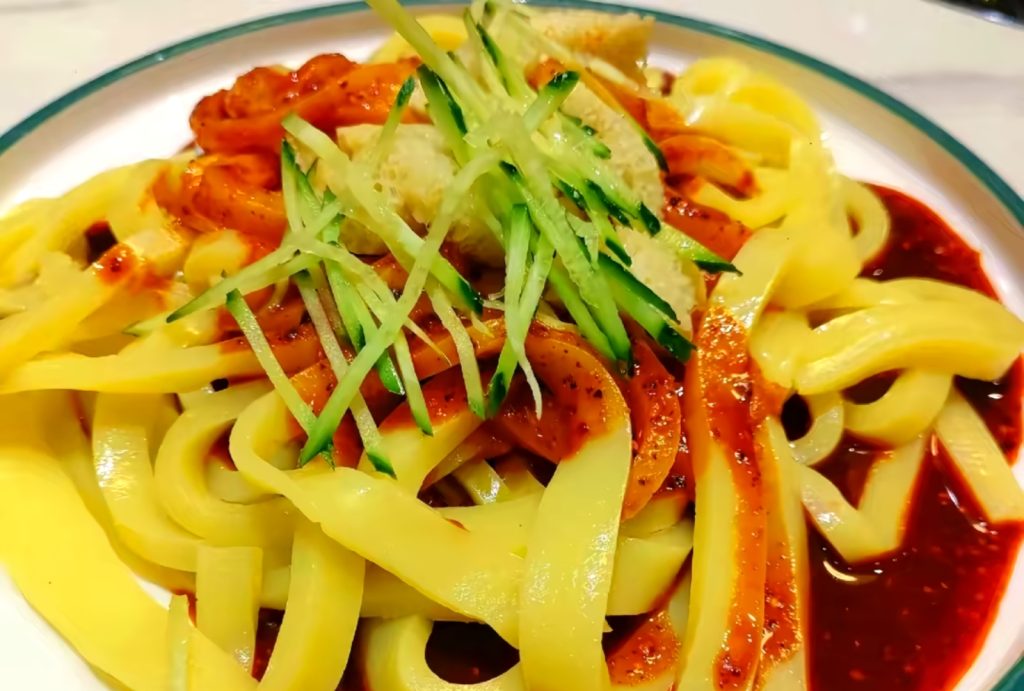
- Niangpi: Cold wheat noodles served with a tangy, garlicky, and often spicy sauce.
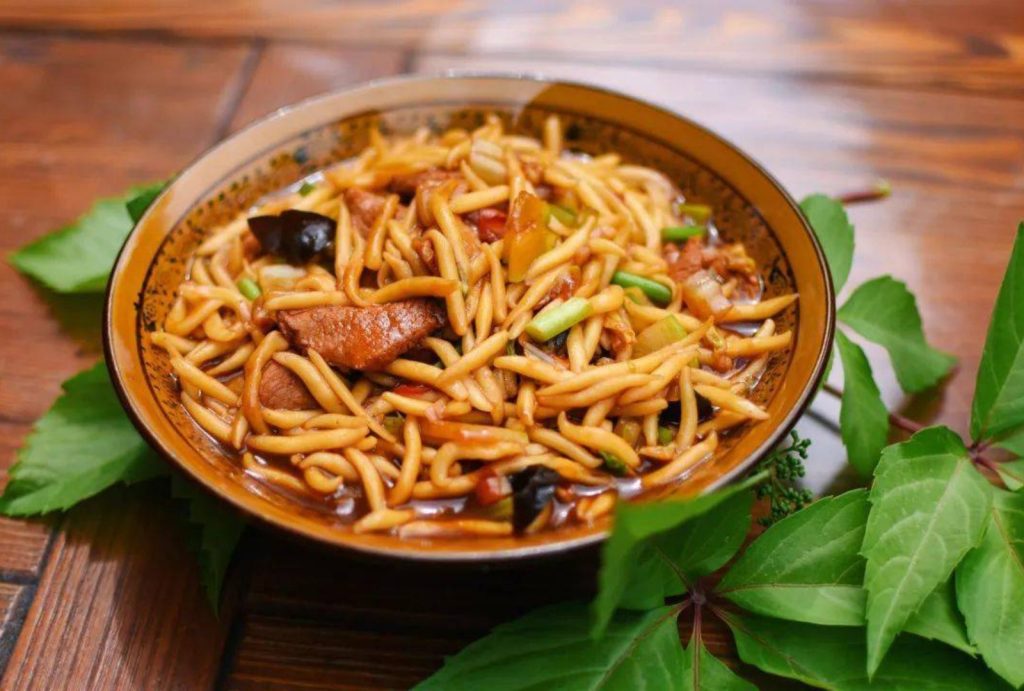
- Cuoyu Noodles: Small, fish-shaped pieces of hand-rolled dough served with vegetables or in a savory broth. Despite the name, they contain no fish.
- Roast Lamb Skewers: Grilled lamb seasoned with cumin, salt, and chili, commonly found in local restaurants and food streets.
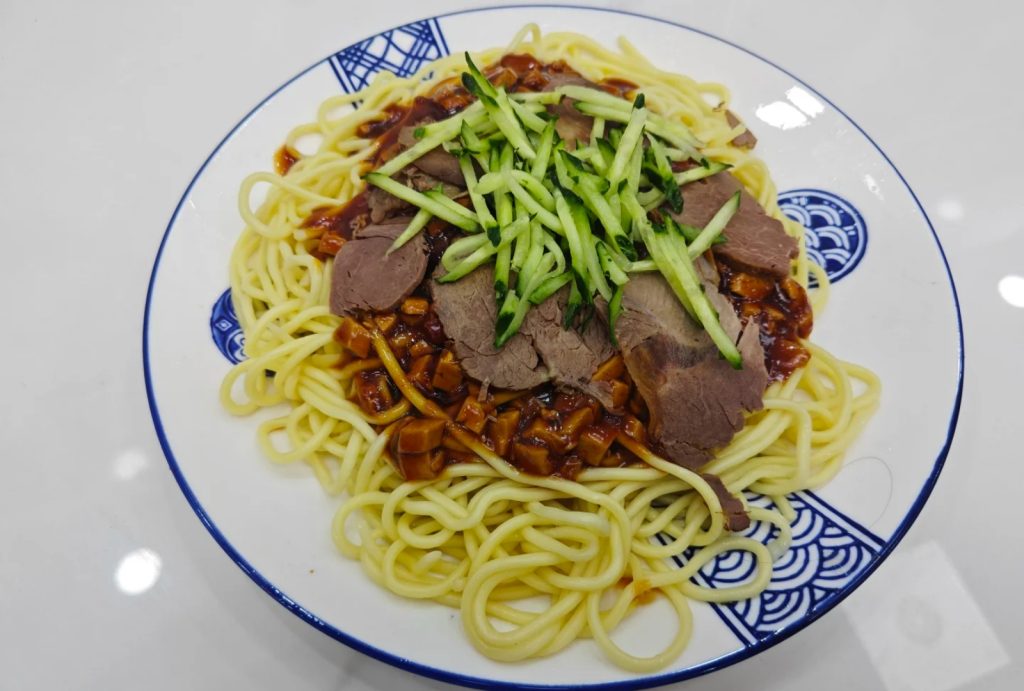
- Yellow Noodles with Donkey Meat: A well-known Dunhuang dish combining yellow noodles with sliced donkey meat and savory toppings.
When trying local food, remember that menus and preparation methods vary between restaurants. Travelers with dietary restrictions should confirm ingredients and cooking methods directly with the restaurant.
Practical Travel Tips for the Hexi Corridor
1. Allow Enough Time for Long Distances
The Hexi Corridor is much larger than a typical city-based China itinerary.
Do not plan your days only according to attraction opening hours. Consider the travel time between cities and the distance from city centers to individual attractions.
2. Book the Mogao Caves in Advance
The Mogao Caves are one of the most popular attractions in Dunhuang, and visitor access is managed through a reservation system.
Check the official booking arrangements before your trip and avoid leaving the visit until the last day.
3. Prepare for Dry Weather
The region is generally dry, with strong sunshine during the day.
Bring:
- sunscreen
- sunglasses
- a hat
- moisturizer
- drinking water
A light jacket is also useful because temperatures can drop after sunset.
4. Wear Comfortable Shoes
Many attractions involve walking over uneven surfaces, steps, or sandy terrain.
Comfortable walking shoes are particularly useful at:
- Zhangye Danxia
- Jiayuguan Pass
- Mogao Caves
- Mingsha Mountain
- ancient ruins around Dunhuang
5. Keep Some Flexibility in Your Schedule
Weather, transportation, and attraction reservation times can affect your itinerary. It is better to avoid scheduling an important attraction immediately before a long train journey or flight.
For example, if the Mogao Caves are a priority, spend enough time in Dunhuang rather than planning the cave visit immediately before departure.
The Hexi Corridor is best experienced as a journey rather than a single destination. The route from Lanzhou through Zhangye, Jiayuguan, and Dunhuang combines Silk Road history, Buddhist heritage, Great Wall sites, and very different landscapes.
For a first trip, 5–7 days is a practical length. Travelers with more time can add Wuwei, explore additional sites around Dunhuang, or continue toward Xinjiang. If you are building a longer Silk Road itinerary, consider combining the Hexi Corridor with Xi’an at the eastern end.
❓People Also Ask
Is the Hexi Corridor suitable for first-time visitors to China?
Yes. It can be a good choice for travelers interested in China’s history and landscapes. However, the route involves longer distances than a typical city-based itinerary, so travelers should allow enough time for transportation.
Can I combine the Hexi Corridor with a Silk Road trip to Xinjiang?
Yes. Dunhuang can be used as a transition point for a longer journey toward western China. Travelers with additional time can continue from Gansu toward destinations in Xinjiang as part of a broader Silk Road itinerary.
Is the Hexi Corridor suitable for a family trip?
Yes, but families should consider the long distances between destinations and the amount of walking at some attractions. A private vehicle can make the itinerary more flexible, especially when traveling with children or older family members.
Do I need a guide to visit the Hexi Corridor?
A guide is not essential for every destination, but local guiding can be useful at historical sites where understanding the background adds context.
What is the difference between the Hexi Corridor and the Silk Road?
The Silk Road refers to a broad network of historical trade and cultural routes across Eurasia. The Hexi Corridor is one important geographic section of the Silk Road running through Gansu.