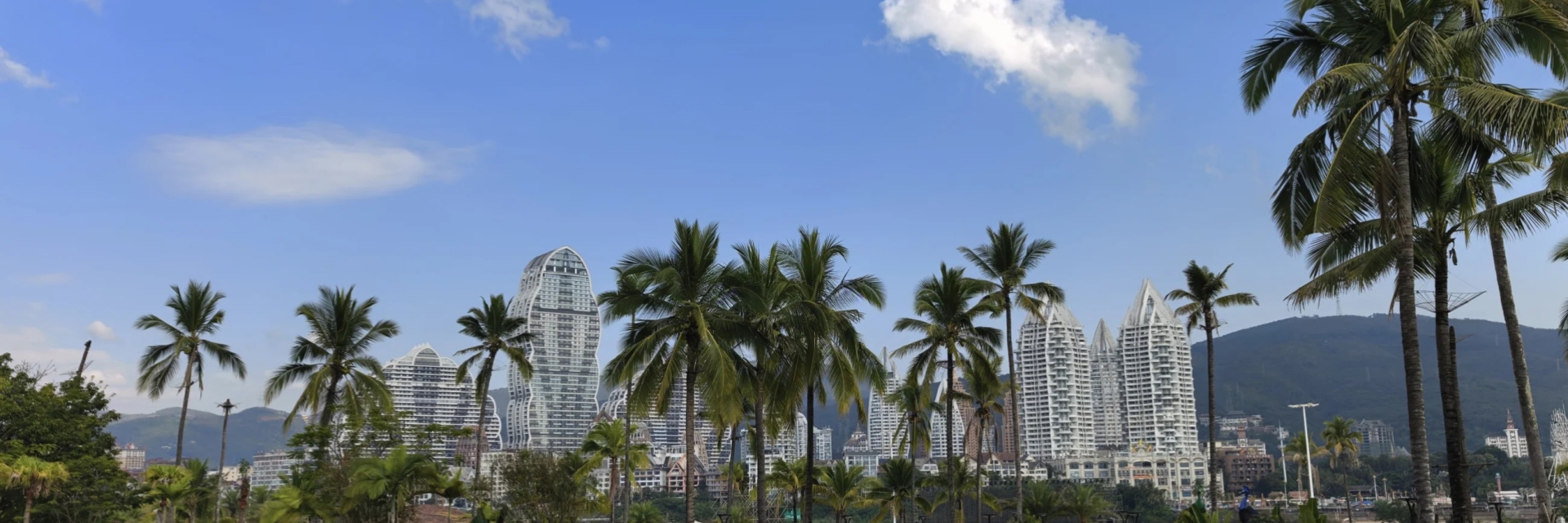
How to Plan Your Xishuangbanna Trip: Complete Travel Guide
Xishuangbanna, in southern Yunnan Province, is one of China’s most unique tropical destinations. With lush rainforests, vibrant Dai ethnic culture, and scenic rivers, it offers international travelers a refreshing alternative to China’s urban centers.
This guide is designed for first-time visitors, offering must-see attractions, activities, food recommendations, and essential travel tips to help you plan a smooth Xishuangbanna trip.
🌳Why Visit Xishuangbanna?
Xishuangbanna combines tropical nature, rich culture, and unique wildlife, making it a standout destination for international travelers. Whether you’re a nature lover, culture enthusiast, or foodie, the region offers something memorable for everyone.
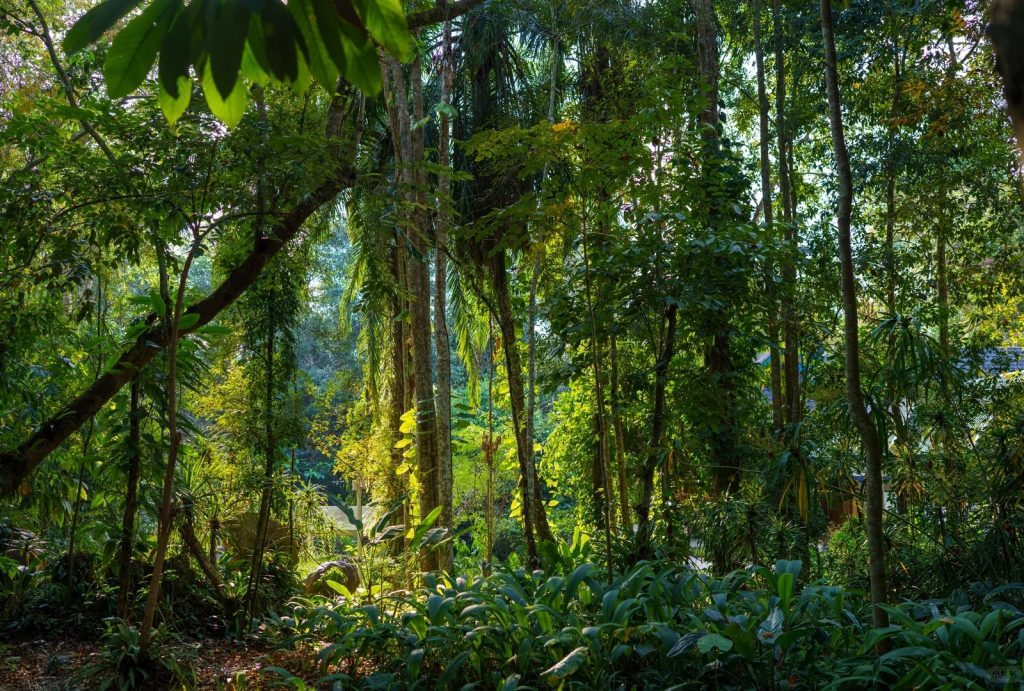
Unique Natural Landscapes
The region’s tropical rainforests, botanical gardens, and river valleys provide a scenic backdrop for photography, wildlife spotting, and adventure activities. Xishuangbanna’s biodiversity makes it a rare destination within China’s largely temperate climate.
Rich Dai and Ethnic Minority Culture
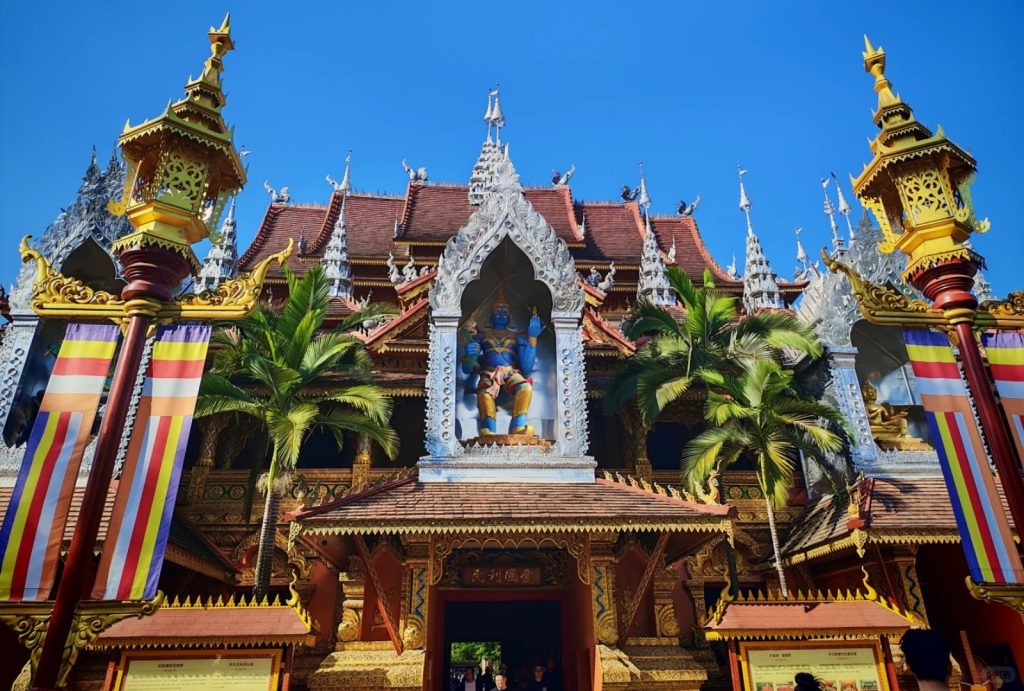
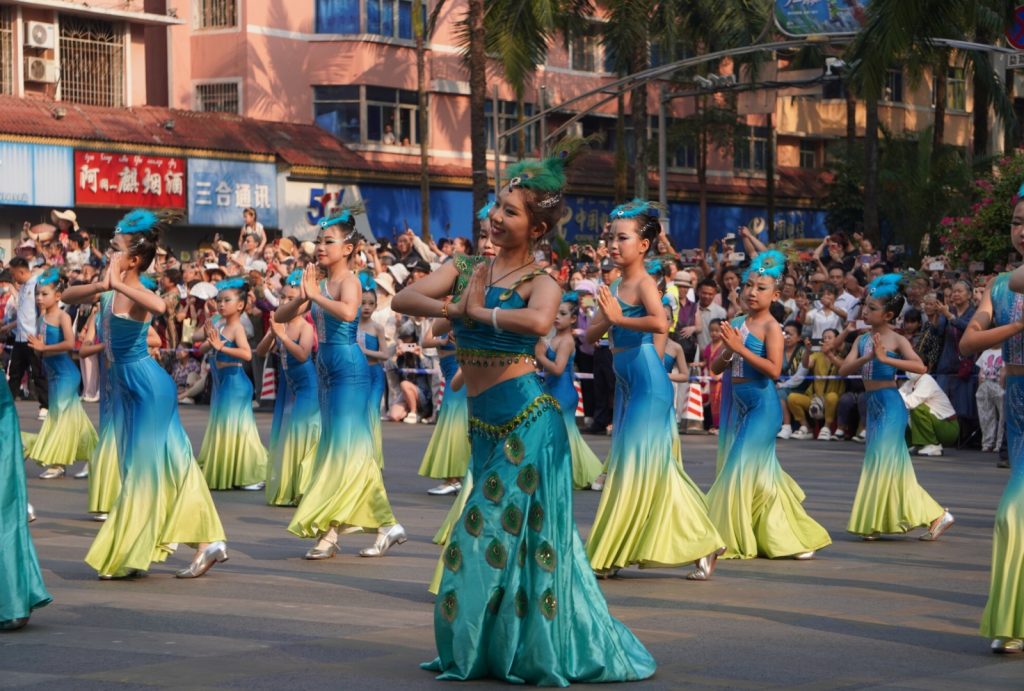
The Dai people’s culture dominates Xishuangbanna. Visitors can explore temples, ethnic villages, and local festivals, experiencing a Southeast Asian-influenced lifestyle unique in China. Cultural performances and ceremonies offer insight into centuries-old traditions.
Wildlife and Eco-Tourism Opportunities
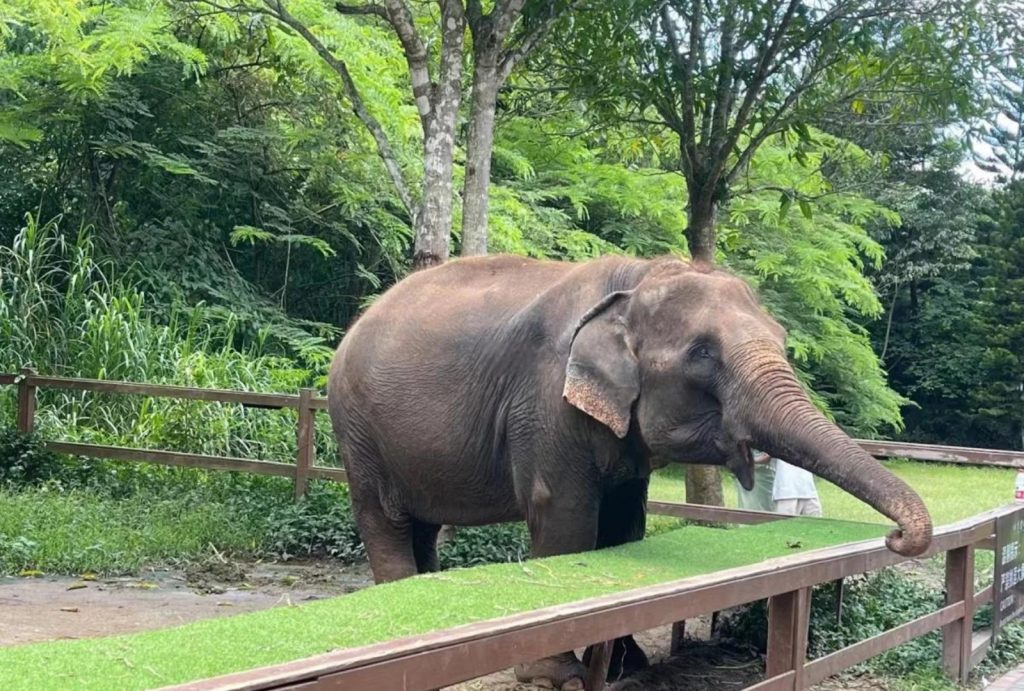
Nature enthusiasts will find Xishuangbanna a haven for eco-tourism. The area is home to rare Asian elephants, tropical birds, and exotic plants. Conservation parks and guided tours allow travelers to enjoy wildlife responsibly.
⌛Best Time to Visit Xishuangbanna
Timing your visit is important to enjoy comfortable weather, festivals, and outdoor activities. This section helps travelers decide the ideal season for their trip.
Seasonal Overview
- November to April: Dry season, ideal for sightseeing and photography
- May to October: Rainy season, lush landscapes but higher humidity
Ideal Months for Nature and Culture Activities
December to February is perfect for cultural activities and nature photography. Dry weather ensures pleasant hiking and outdoor excursions.
Traveling during Chinese public holidays can be stressful due to crowds. Avoid Chinese New Year (Jan–Feb) and National Day (Oct 1–7) for a more relaxed experience.
🏞️Top Attractions in Xishuangbanna
These attractions are must-see highlights, offering nature, culture, and wildlife experiences. Ticket information is included for planning purposes.
🌲Xishuangbanna Tropical Botanical Garden
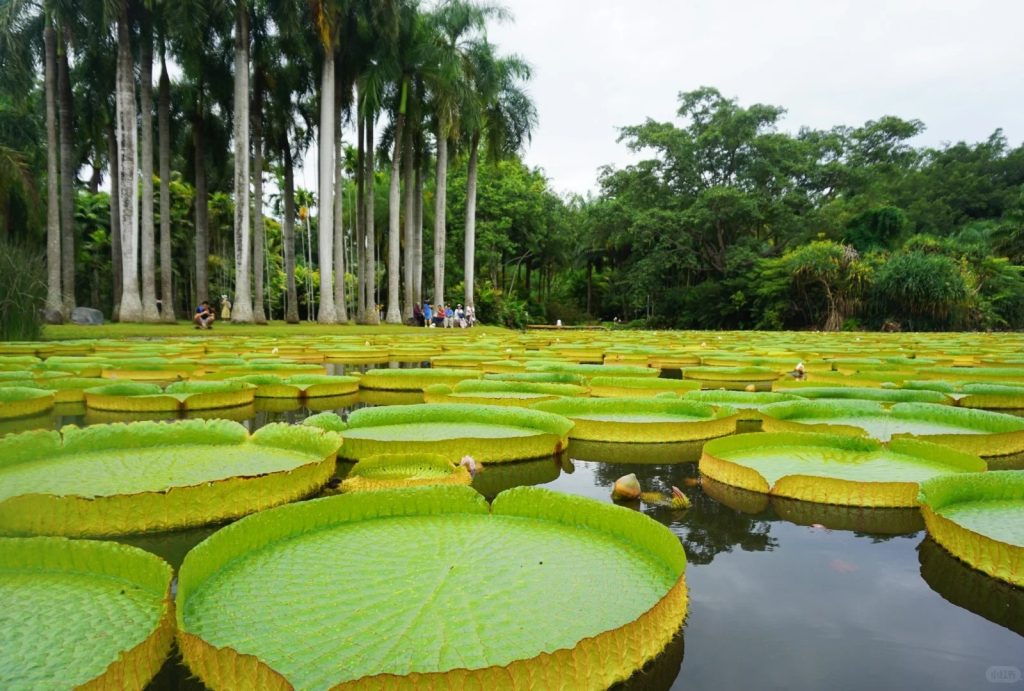
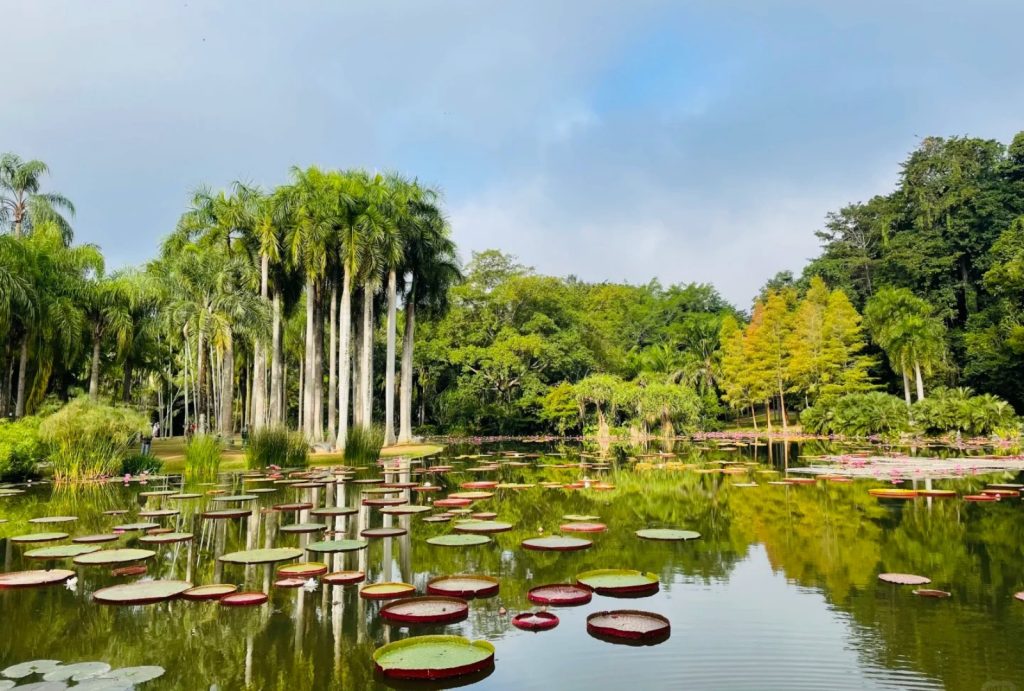
Located in Menglun Town, the Xishuangbanna Tropical Botanical Garden is the largest botanical garden in China. Managed by the Chinese Academy of Sciences, it features thousands of tropical plant species, themed gardens, rainforest trails, and scenic viewpoints.
The garden is particularly popular with nature lovers, photographers, and travelers interested in biodiversity.
Opening Hours:
- West Gate: 08:00–18:00
- Suspension Bridge Entrance: 07:30–18:30
- East Gate: Not open to general visitors; primarily used as a service entrance and for guests staying at on-site accommodations
Recommended Visit Duration: 4–6 hours
Ticket Information:
- 🎟️ Admission: CNY 80
- 🚗 Sightseeing shuttle buses inside the garden require an additional fee depending on the route selected.
🐘Wild Elephant Valley
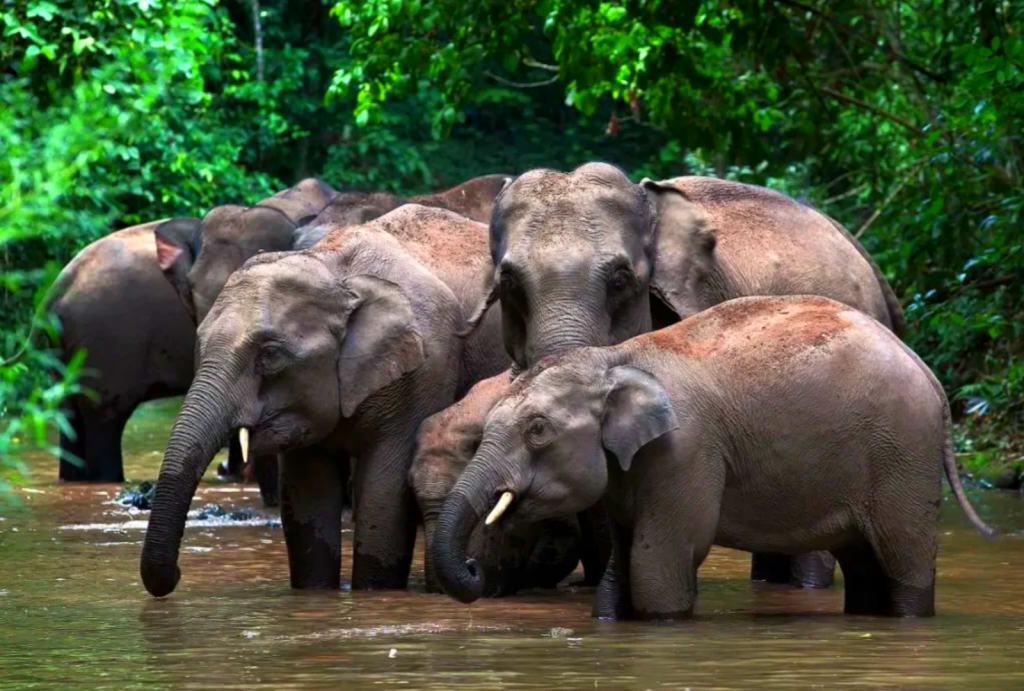
Wild Elephant Valley is one of the most famous attractions in Xishuangbanna and one of the best places in China to learn about wild Asian elephants. Located within a protected tropical rainforest, the park allows visitors to explore elevated rainforest walkways, wildlife observation platforms, and a scenic cable car that provides panoramic views over the jungle canopy.
While sightings of wild elephants are never guaranteed, visitors can enjoy the rainforest environment, learn about local conservation efforts, and observe the region’s rich biodiversity. The attraction is especially popular with families, nature enthusiasts, and wildlife photographers.
Opening Hours:
- Daily: 08:00–18:00
- Last admission: 16:30
Recommended Visit Duration: 3–5 hours
Ticket Information:
- 🎟️ Admission: Approximately CNY 60–70
- 🚡 Cable Car: One-way: CNY 50 per person; Round-trip: CNY 70 per person
For the best chance of spotting elephants and avoiding the midday heat, consider visiting in the morning. Even if elephants are not visible, the cable car ride and rainforest boardwalks offer excellent views and a rewarding nature experience.
🏛️Manting Park
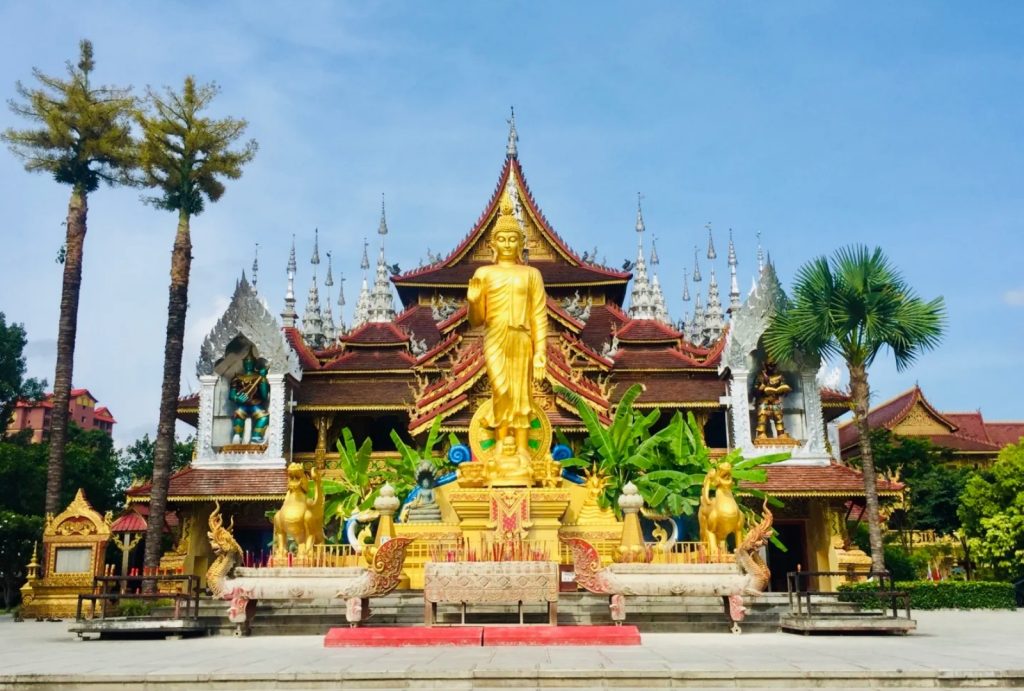
Manting Park is the oldest park in Xishuangbanna and a cultural landmark in Jinghong. Once associated with the ancient Dai Kingdom, it combines tropical gardens, Buddhist architecture, and cultural performances.
It is an excellent place to learn about Dai history and traditions while enjoying a relaxing atmosphere.
Opening Hours:
- Daily: 08:00–18:00
- Last admission: 16:30
Recommended Visit Duration: 2–4 hours
Ticket Information:
- 🎟️ Admission: CNY 40
🏯Jingzhen Octagonal Pavilion
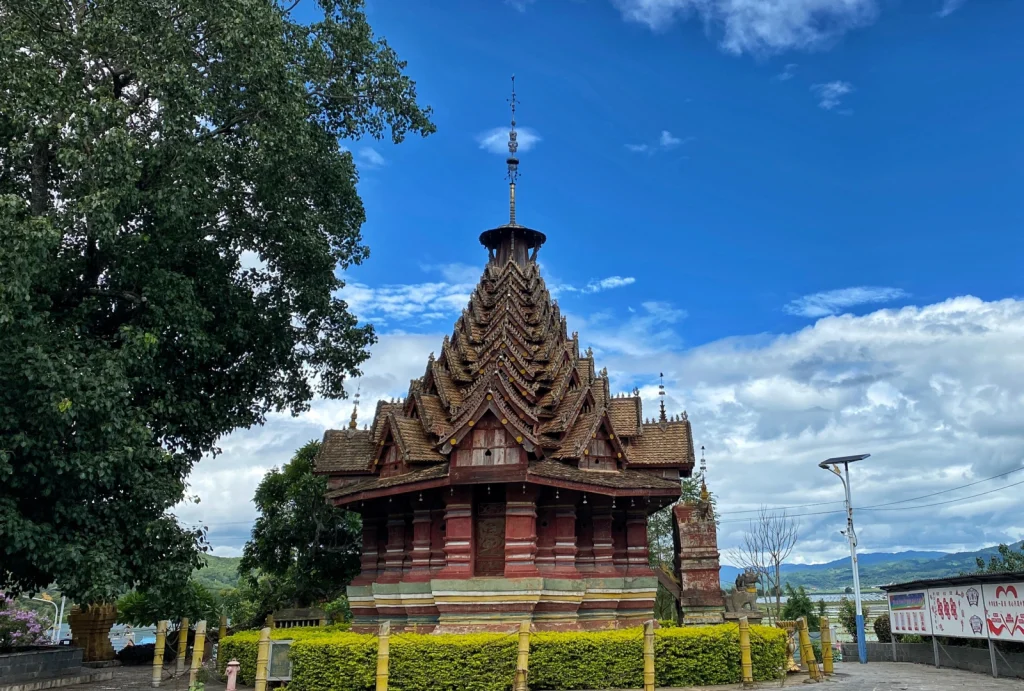
The Jingzhen Octagonal Pavilion is a historic Dai Buddhist structure known for its distinctive architecture and cultural significance. Surrounded by traditional villages and countryside scenery, it offers insight into the region’s religious heritage.
Opening Hours: 08:00–18:00
Recommended Visit Duration: 1–2 hours
Ticket Information:
- 🎟️ Admission: Free
🏙️Gaozhuang Xishuangjing
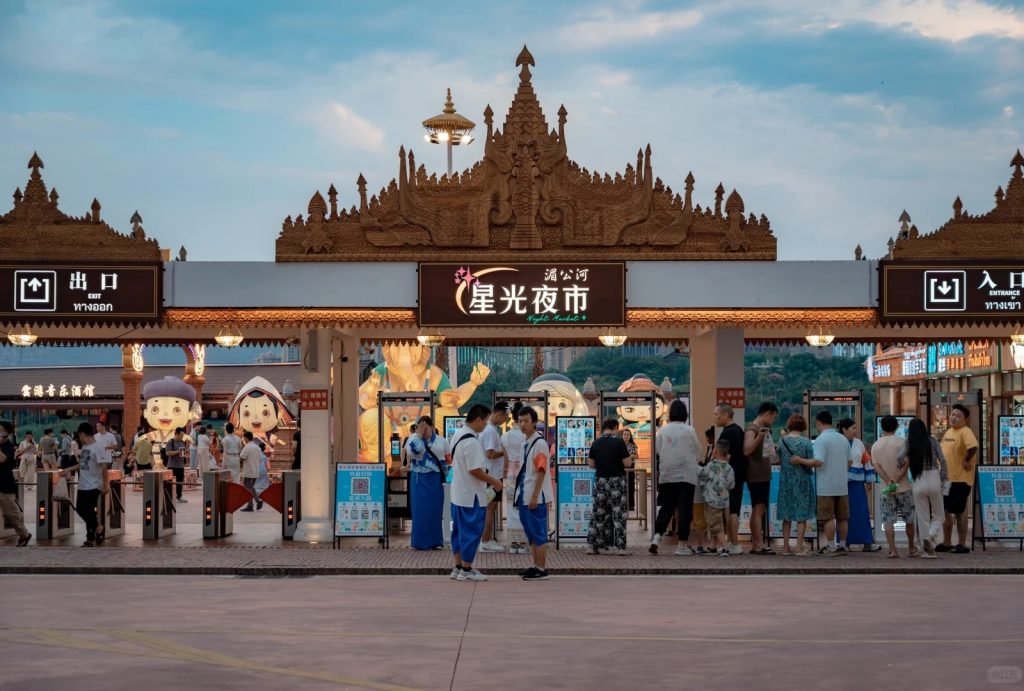
Gaozhuang Xishuangjing is one of Jinghong’s most popular tourist areas, featuring Southeast Asian-style architecture, riverside views, shopping streets, and the famous night market.
It is especially lively in the evening and is a favorite spot for food, photography, and local entertainment.
Opening Hours: All day
Recommended Visit Duration: 2–4 hours
Ticket Information:
- 🎟️ Free admission
- Food, shopping, and optional activities are charged separately

🚵Activities and Local Experiences in Xishuangbanna
Beyond sightseeing, Xishuangbanna offers a variety of cultural, culinary, and outdoor experiences that help visitors connect with the region’s tropical environment and Dai heritage.
Dai Minority Villages
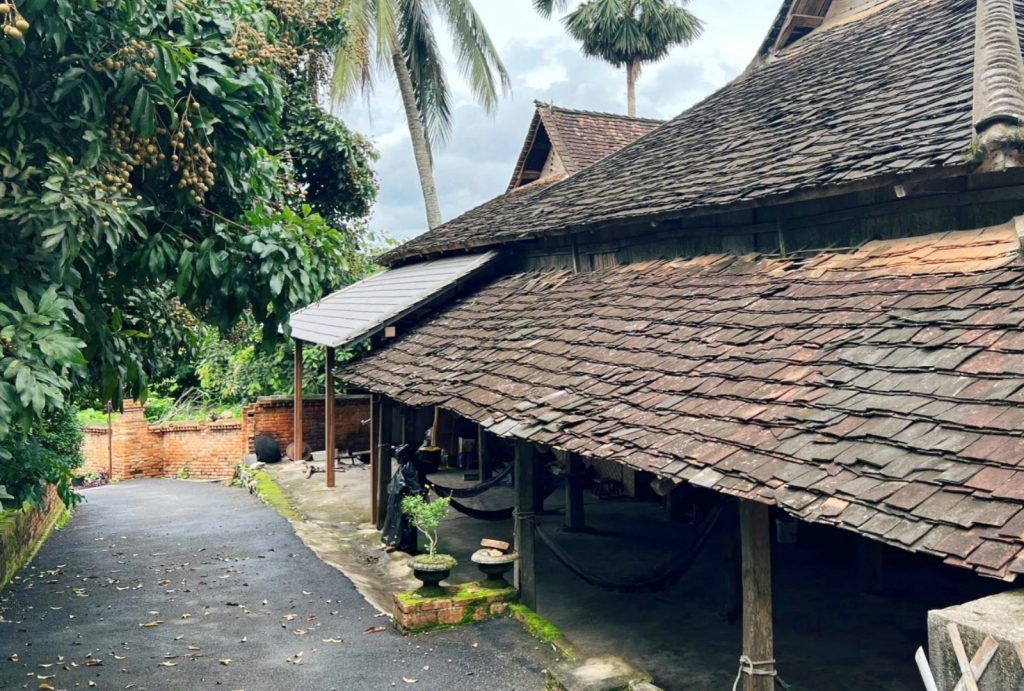
Visit traditional Dai villages to learn about local customs, architecture, and daily life. Some villages also host cultural performances and seasonal festivals.
Night Markets and Local Cuisine
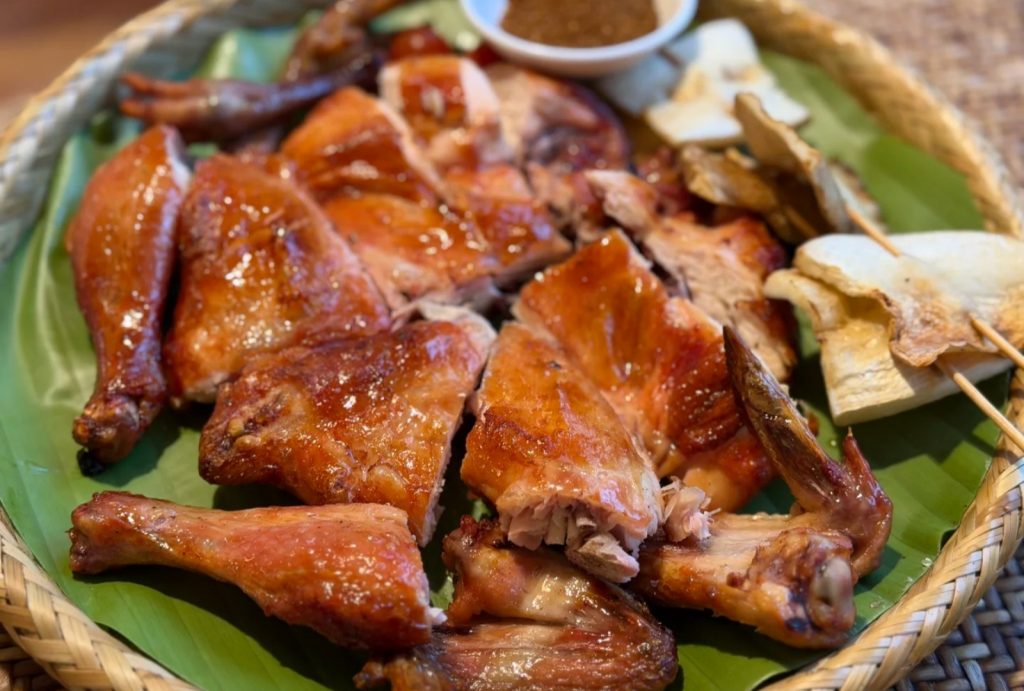
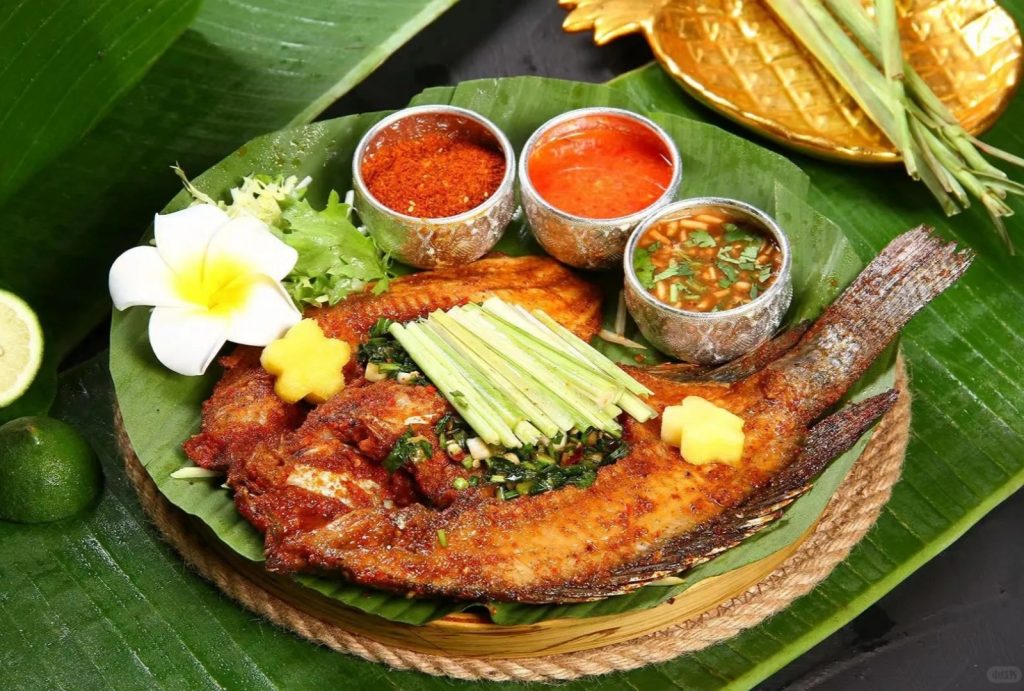
Gaozhuang Night Market is one of the best places to experience local life after dark. Visitors can browse stalls, enjoy live performances, and sample Dai specialties such as Menghai Roasted Chicken, Lemongrass Grilled Fish, Roasted Rice in Bamboo, Dai-style Pineapple Rice, and tropical fruit salads.
Mekong River Cruise
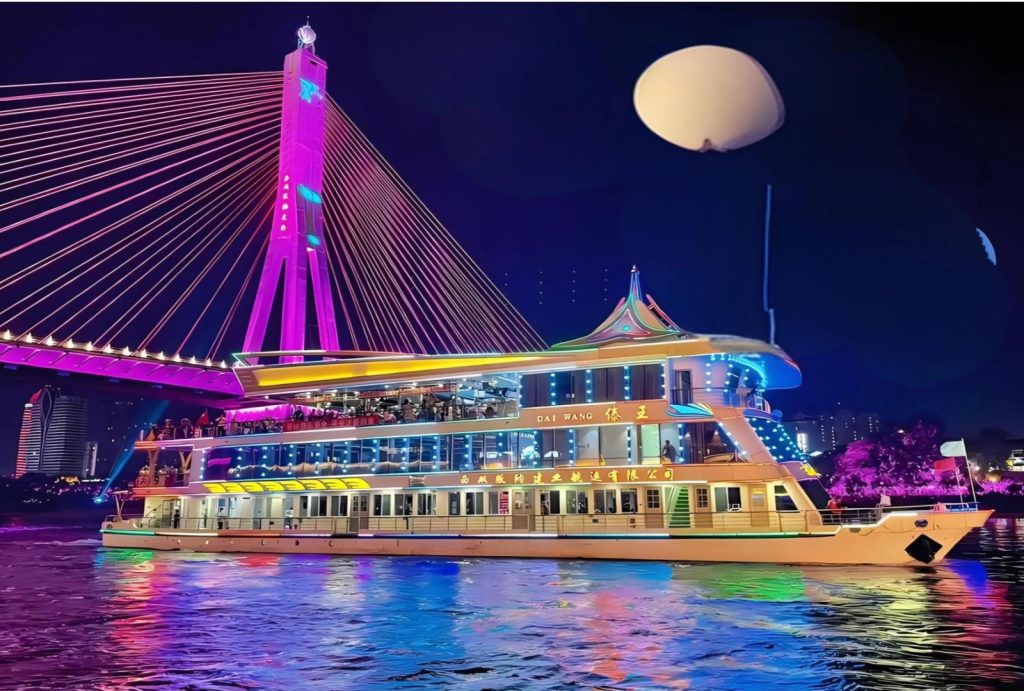
A cruise on the Mekong (Lancang) River offers scenic views of tropical landscapes and riverside communities, especially at sunset.
Jungle Trekking and Cycling
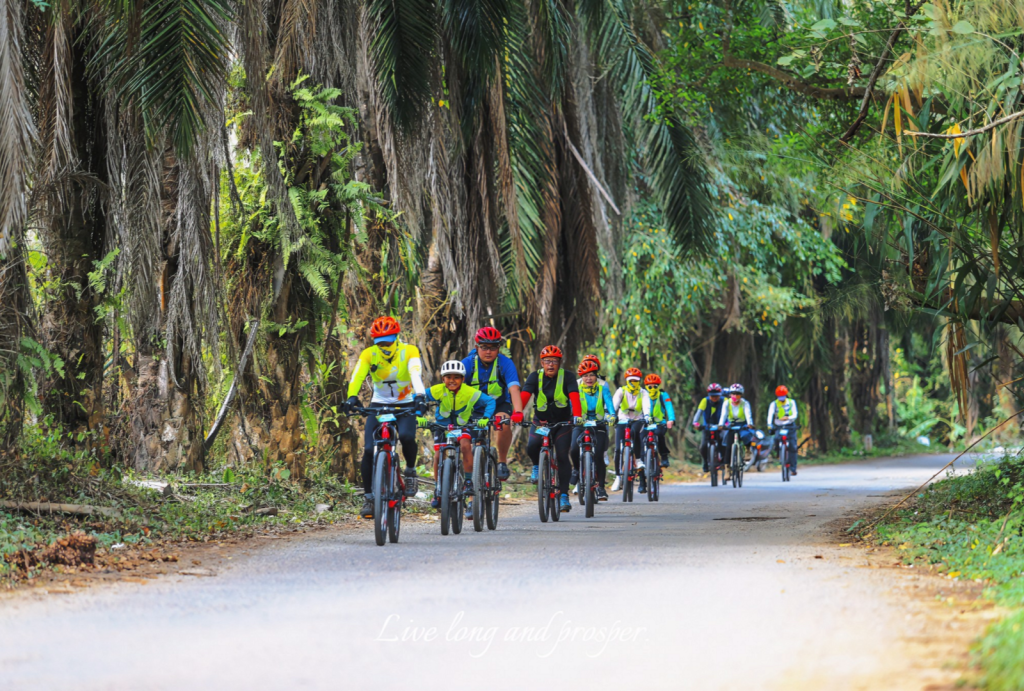
Guided rainforest treks and cycling tours provide opportunities to explore Xishuangbanna’s rich biodiversity and natural scenery.
Cooking Classes and Cultural Workshops
Cooking classes and cultural workshops offer a hands-on introduction to Dai cuisine and traditional customs.
How to Get to Xishuangbanna
Despite its remote location, Xishuangbanna is accessible via multiple transportation options. This section covers the most convenient ways for international travelers to arrive.
✈️By Air
Flying is the fastest option via Xishuangbanna Gasa International Airport (JHG), with direct flights from major Chinese cities.
🚆By Train
The China–Laos Railway is a popular way for international travelers to reach Xishuangbanna via Jinghong, as part of the China–Southeast Asia rail corridor.
High-speed trains from Kunming take about 3.5–4 hours, offering a comfortable and scenic overland alternative to flying.
🚗Private Transfers and Local Transportation
Once in Xishuangbanna, taxis, ride-hailing apps, and private transfers offer convenience. Local buses are cheap but may have limited English support.
🏨Where to Stay in Xishuangbanna
- Jinghong City Hotels: Most hotels are in Jinghong, the main tourism hub, with convenient access to attractions, night markets, restaurants, and local transport.
- Riverside and Nature Lodges: Stay near the river or in forested areas for a quieter setting and closer connection to nature. These options suit couples, nature lovers, and photography enthusiasts.
- Guesthouses: Local guesthouses offer a more relaxed and personal stay, often with a chance to experience the local atmosphere.
Tips: For convenience, choose a central location if you plan to explore Jinghong. During peak travel periods, book early. If you prefer a quieter stay, look for accommodation near the river or away from the busiest night-market areas.
💡Travel Tips for First-Time Visitors
Practical advice ensures a smooth and enjoyable Xishuangbanna trip.
- Language and Communication: English is not widely spoken outside major hotels and tourist attractions. Translation apps can be helpful for daily communication and transportation.
- Packing and Health Tips: When packing for Xishuangbanna, bring lightweight clothing, comfortable walking shoes, sunscreen, and insect repellent. If you are traveling during the rainy season, a light rain jacket or umbrella is also recommended. Stay hydrated in the tropical climate and consider purchasing travel insurance for added peace of mind.
- Payment: WeChat Pay and Alipay are widely accepted throughout Xishuangbanna, but carrying some cash is recommended for rural areas.
Xishuangbanna is best enjoyed at a relaxed pace, balancing nature, culture, and local life. Pair it with other Yunnan destinations such as Kunming or Dali for a richer experience. From tropical rainforests to Dai festivals, the Xishuangbanna trip provides a unique, unforgettable experience for international travelers looking for an off-the-beaten-path adventure.
❓ People Also Ask
Where is Xishuangbanna located in China?
Xishuangbanna is located in southern Yunnan Province, near the border with Laos and Myanmar. It is known for its tropical climate, rainforests, and rich Dai ethnic culture.
What is the best time to visit Xishuangbanna?
The best time to visit is from November to April, when the weather is dry and comfortable. December to February is especially good for sightseeing and cultural activities.
Is Xishuangbanna suitable for first-time visitors to China?
What local food should I try in Xishuangbanna?
Popular Dai dishes include bamboo rice, grilled river fish, tropical fruit salads, and herbal soups, often found in local restaurants and night markets.
How many days should you spend in Xishuangbanna on a Yunnan tour?
Most travelers need 3–5 days in Xishuangbanna to experience its main highlights, including the Tropical Botanical Garden, Wild Elephant Valley, and vibrant local night markets. This makes Xishuangbanna an excellent addition to a broader Yunnan tour, especially for travelers interested in nature, ethnic culture, and tropical landscapes.