Shanghai Local Food Guide: Traditional Dishes You Should Try
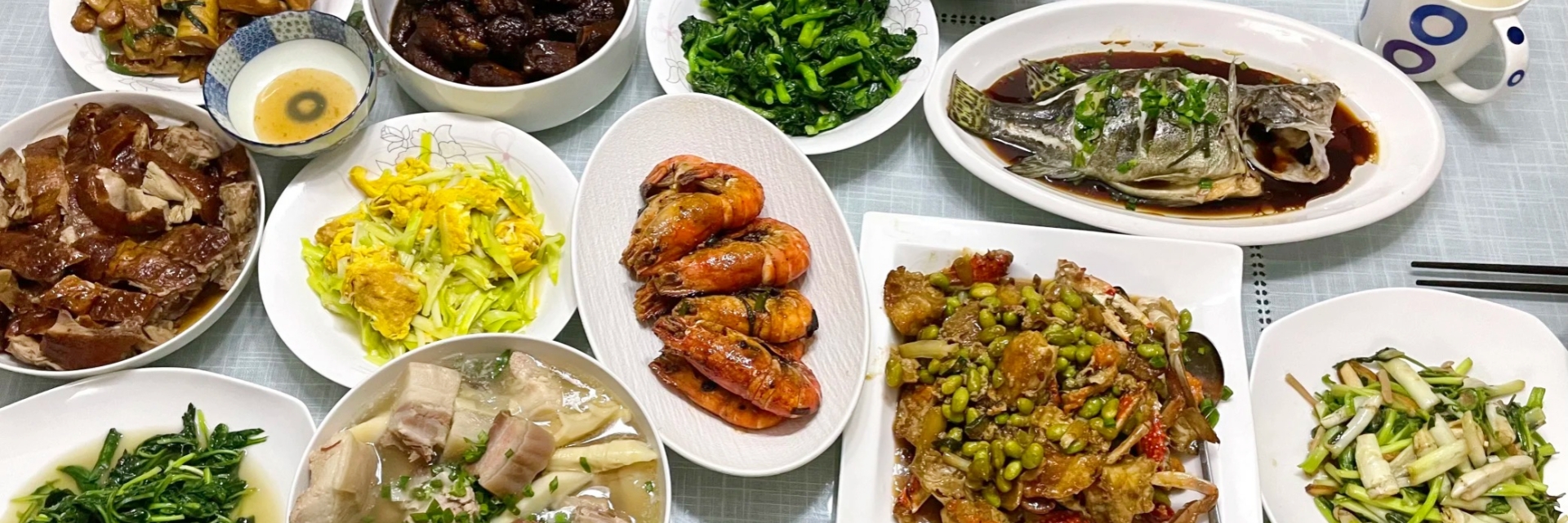
As China’s largest city and an international gateway, Shanghai offers everything from elegant banquet dishes to street snacks that have been enjoyed by local families for generations.
Shanghai cuisine, known as Benbang cuisine, is famous for its balanced flavors, fresh seasonal ingredients, and gentle sweetness. Whether you’re dining in traditional restaurants, or stopping at a neighborhood breakfast shop, trying local food is a good way to experience Shanghai’s culture.
This Shanghai local food guide introduces the traditional dishes you should try, along with practical dining tips to help you enjoy authentic Shanghai cuisine.
What Is Shanghai Cuisine?
Shanghai cuisine belongs to the broader Jiangnan culinary tradition of eastern China. It developed along the Yangtze River Delta, where fertile farmland, freshwater lakes, and nearby coastal waters provide an abundance of fish, seafood, vegetables, and rice.
Unlike the bold flavors of Guizhou cuisine or the rich roasted flavors of Xinjiang food, Shanghai dishes are known for being light yet flavorful. Many recipes use slow braising, steaming, stir-frying, and red cooking—a technique that combines soy sauce, sugar, and rice wine to create a glossy, savory sauce.
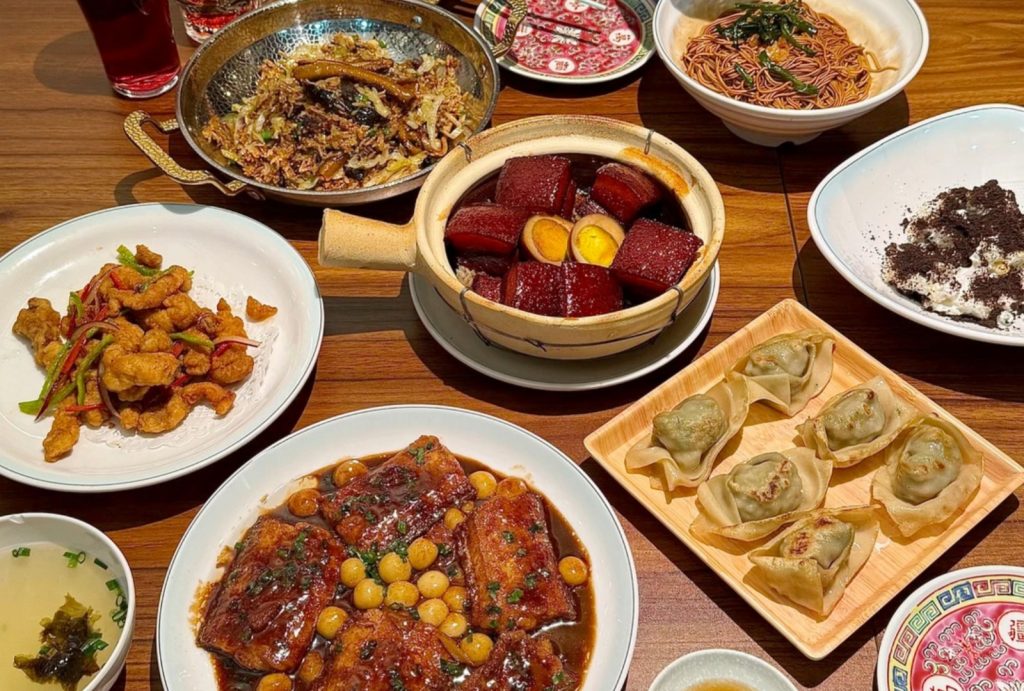
Rather than relying on strong spices, Shanghai cuisine brings out the natural taste of fresh, seasonal ingredients through balanced seasoning.
Traditional Shanghai Dishes You Should Try
These classic dishes are widely available throughout the city and represent the flavors that have shaped Shanghai’s culinary identity.
Xiaolongbao (Soup Dumplings)
As a famous dish in Shanghai, xiaolongbao are delicate steamed dumplings filled with minced pork and rich, flavorful broth. The soup forms naturally as gelatin inside the filling melts during steaming.
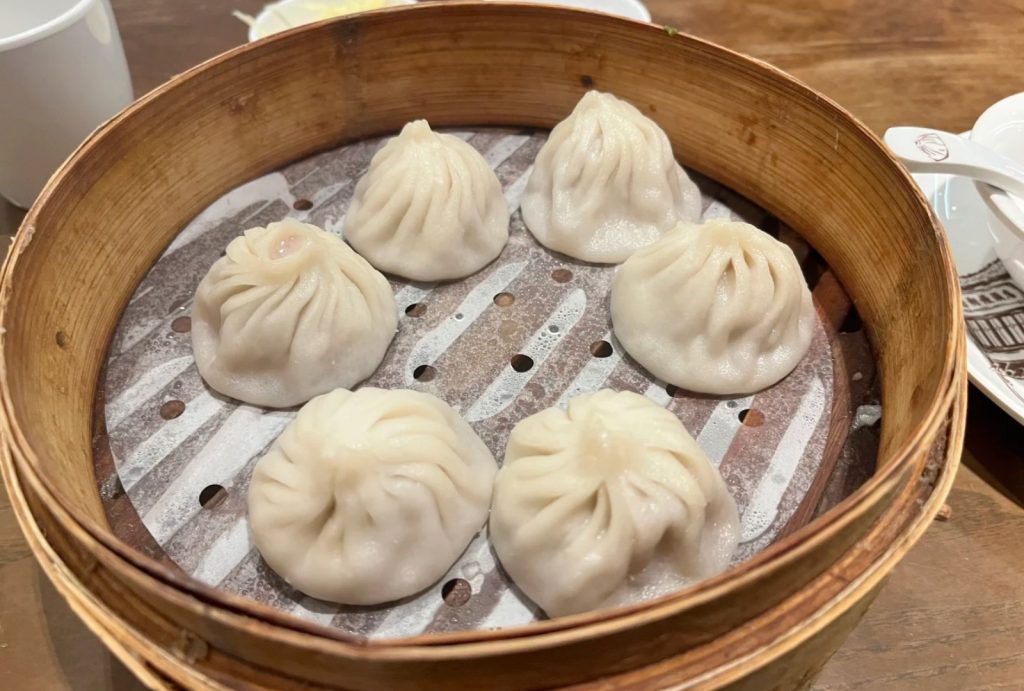
Eat them carefully by lifting the dumpling with chopsticks, placing it on a spoon, making a small opening, and sipping the broth before enjoying the rest.
Shengjianbao (Pan-Fried Pork Buns)
These pan-fried buns have crispy golden bottoms and soft, fluffy tops. Filled with juicy pork and savory broth, they are sprinkled with sesame seeds and chopped spring onions before serving.
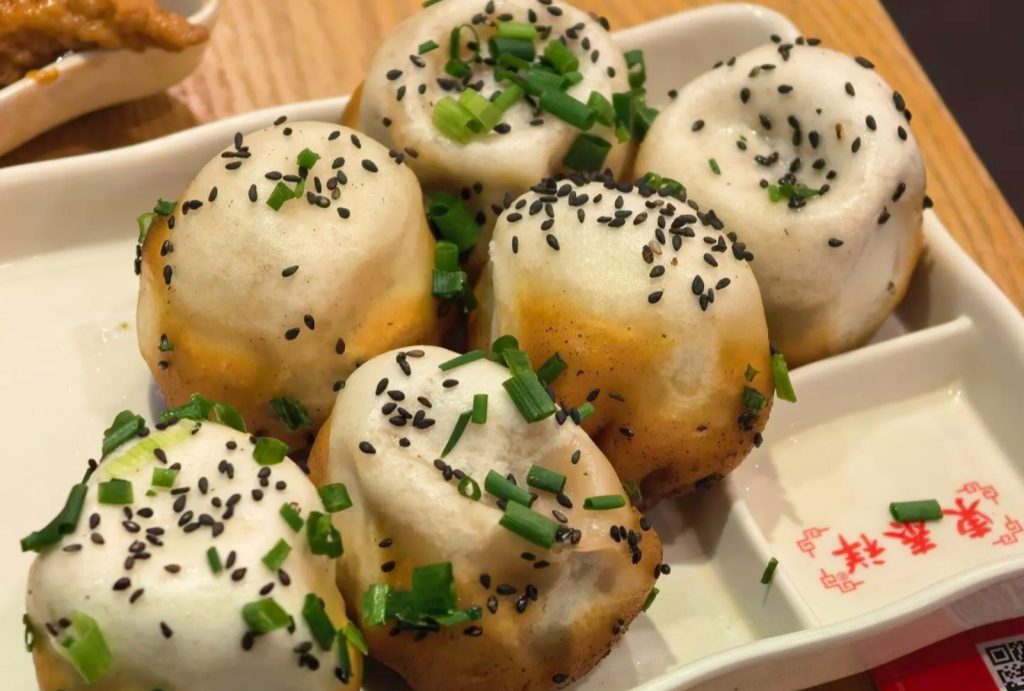
They are especially popular as a local breakfast or afternoon snack.
Hong Shao Rou (Shanghai Braised Pork Belly)
Hong Shao Rou is a Shanghai’s signature dish. Pork belly is slowly braised in soy sauce, rock sugar, rice wine, and aromatics until it becomes tender and glossy.
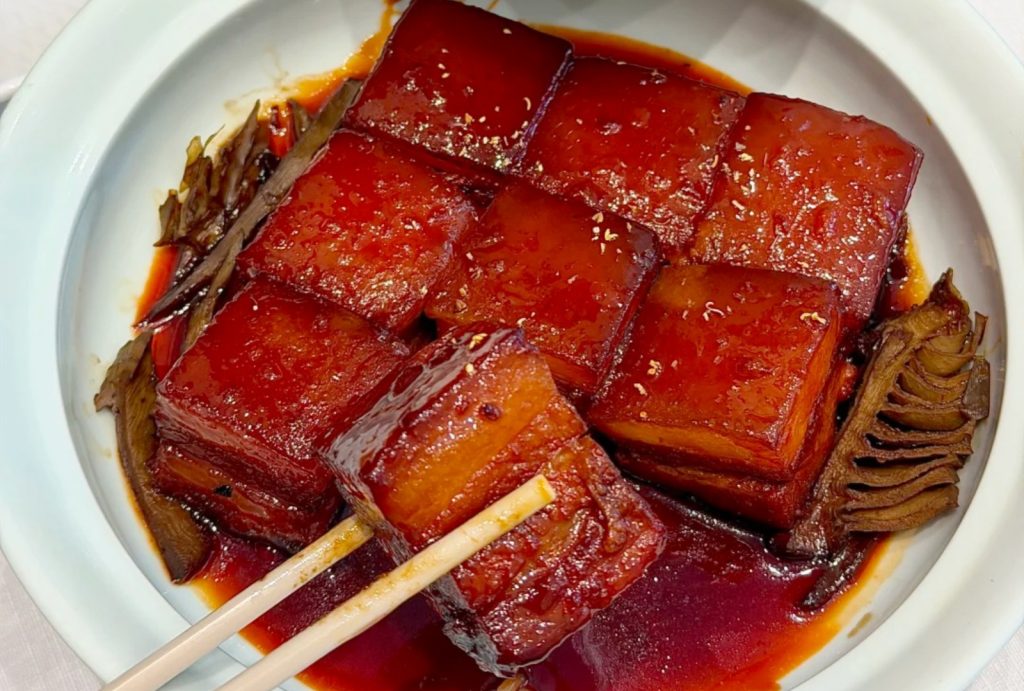
It balances the savory and slightly sweet flavors, making it a favorite family dish throughout Shanghai.
Cong You Ban Mian (Scallion Oil Noodles)
Cong You Ban Mian is a simple yet flavorful Shanghai noodle dish. Fresh scallions are slowly cooked in oil until fragrant, then mixed with soy sauce and tossed with wheat noodles.
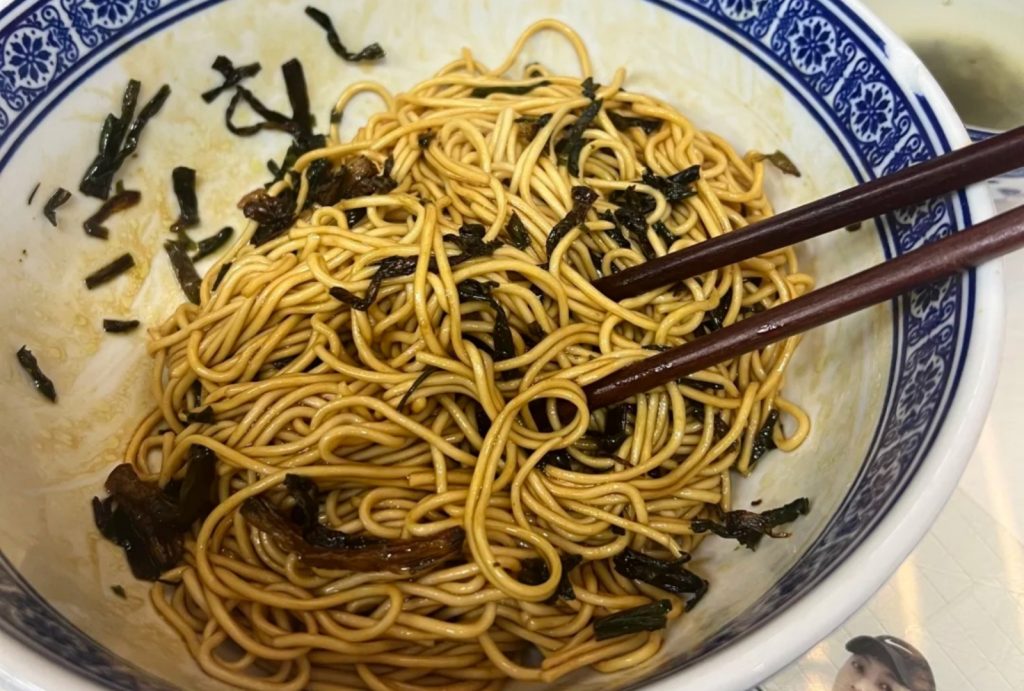
Although it uses simple ingredients, it has a satisfying taste that is loved by both locals and visitors.
Shanghai Smoked Fish
Despite its name, Shanghai smoked fish is not smoked in the traditional sense. Freshwater fish is first fried until the outside is slightly crisp, then marinated in a sweet and savory sauce flavored with soy sauce, spices, rice wine, and sugar.
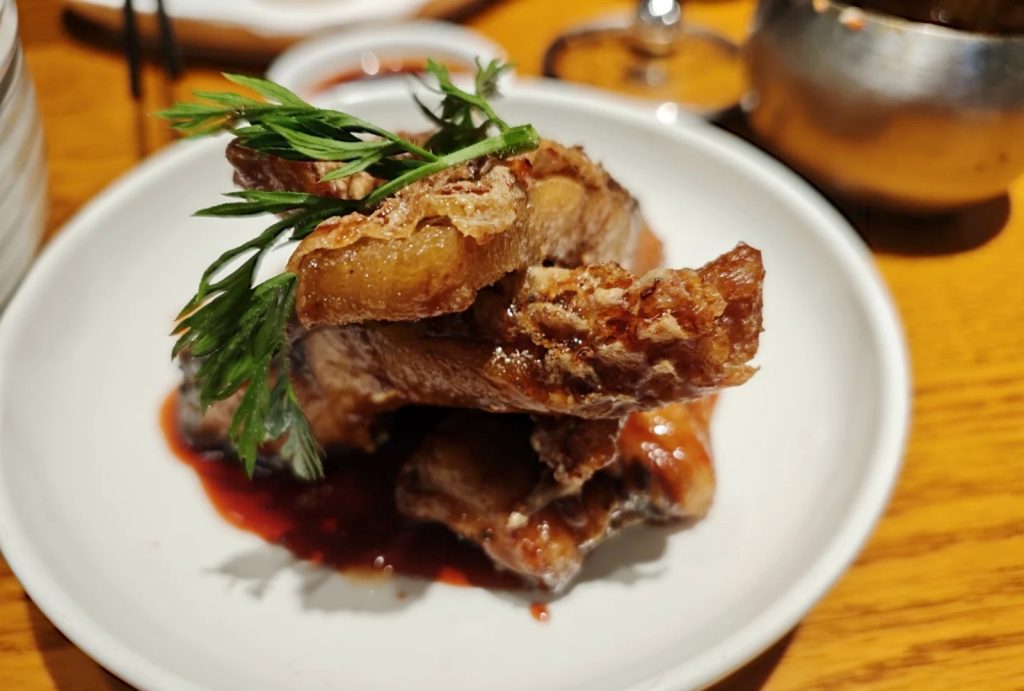
Usually served cold, it is a popular appetizer at many traditional Shanghai restaurants, known for its tender texture and rich, layered flavor.
White Cut Chicken
White Cut Chicken is a classic Shanghai dish made by gently poaching chicken to preserve its natural tenderness and served with a dipping sauce made from ginger, scallions, or soy sauce.
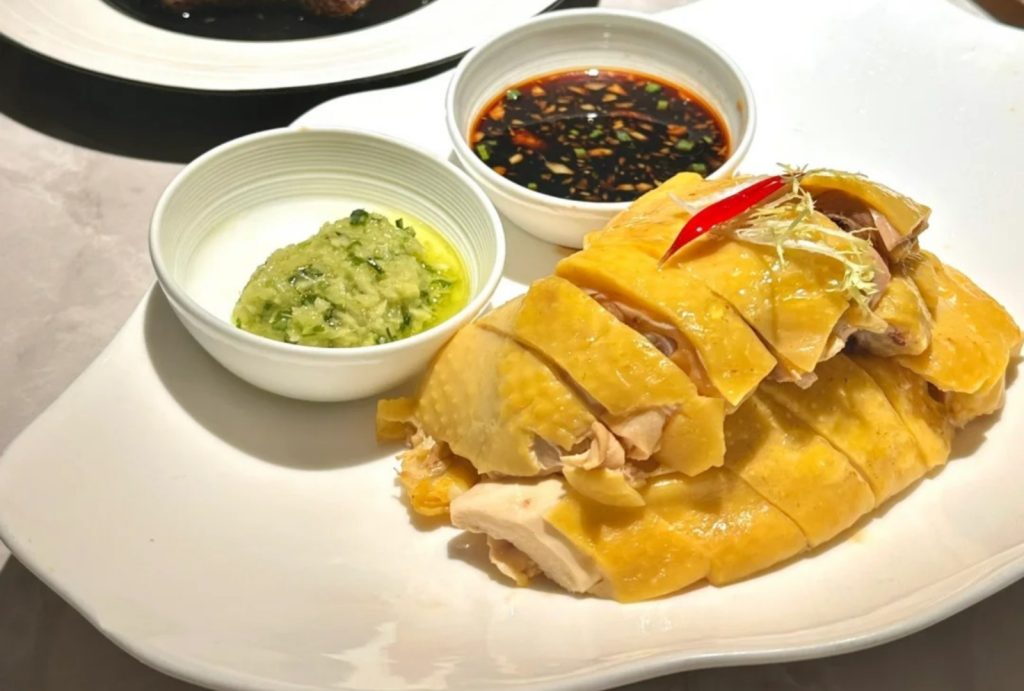
It shows that Shanghai cuisine emphasizes fresh ingredients rather than heavy seasoning.
Eight Treasure Duck
Eight Treasure Duck is a traditional banquet dish in Shanghai with rich flavors. A duck is stuffed with sticky rice, mushrooms, chestnuts, ham, lotus seeds, and other ingredients before being steamed for several hours.
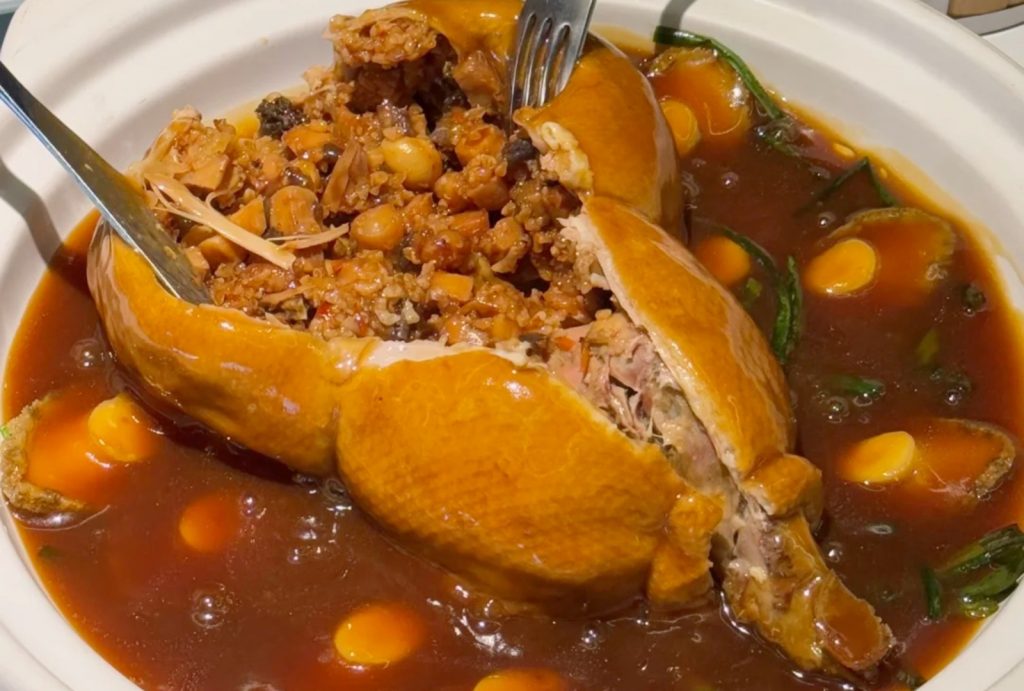
It is often served during festivals and family celebrations.
Kao Fu (Braised Wheat Gluten)
Kao Fu is a vegetarian dish made with wheat gluten, mushrooms, peanuts, and bamboo shoots simmered in a lightly sweet soy-based sauce. The wheat gluten absorbs the flavors of the sauce while keeping a pleasantly chewy texture.
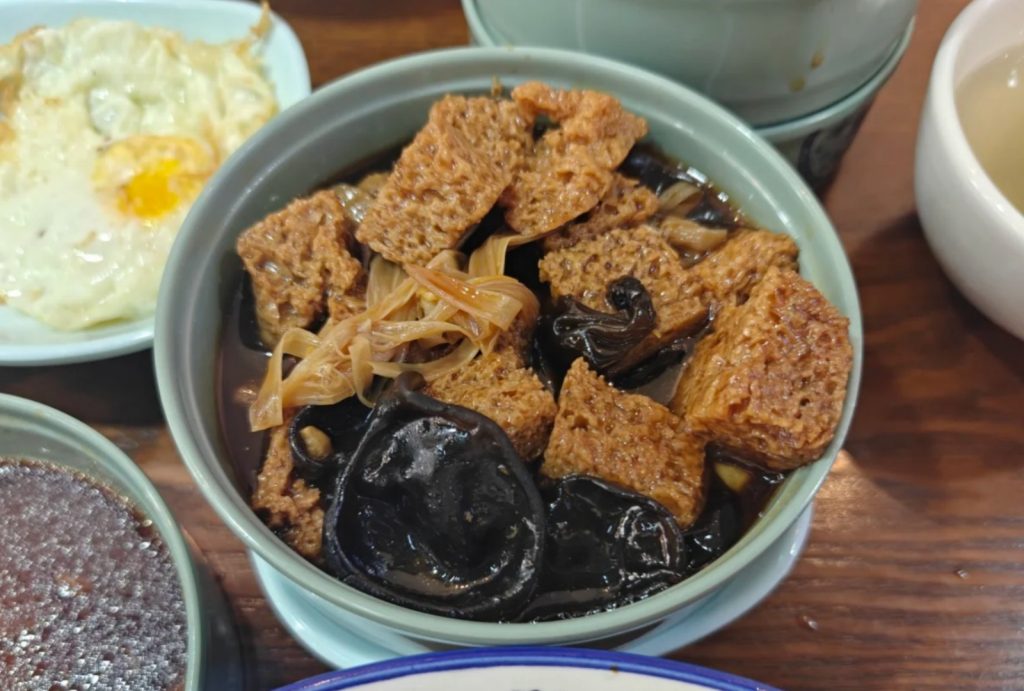
With its rich taste and satisfying texture, Kao Fu is enjoyed by both vegetarians and meat lovers as a classic part of Shanghai cuisine.
Popular Shanghai Street Foods and Desserts
Street food offers a glimpse into daily life in Shanghai. Many of these snacks can be found in traditional neighborhoods, local markets, and food streets.
Some favorites include:
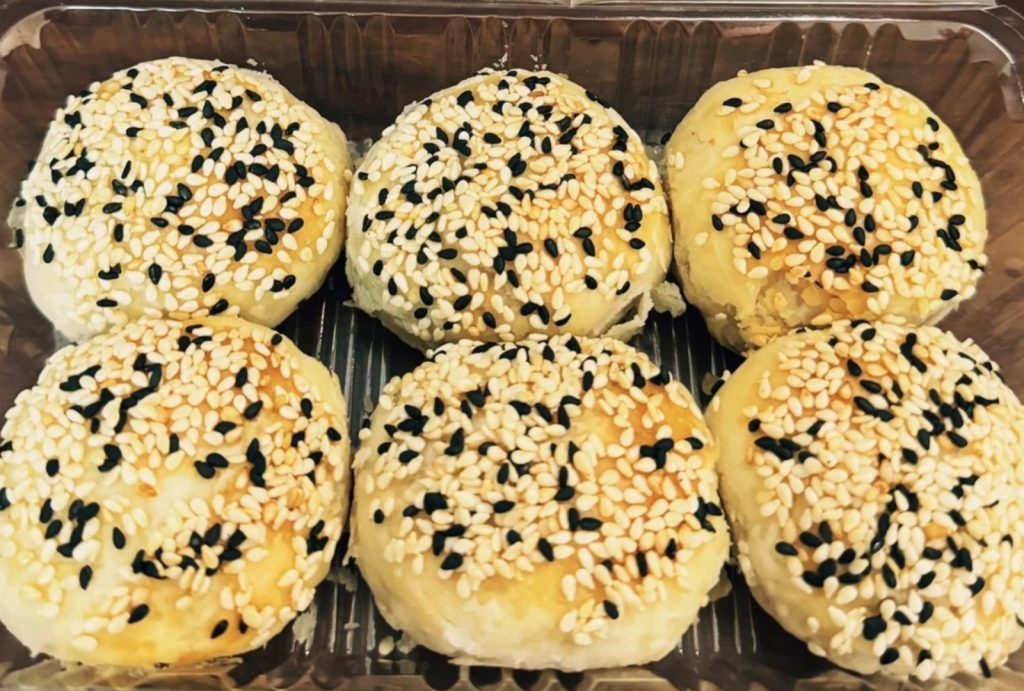
- Crab Shell Pastry (Xieke Huang): A flaky baked pastry named for its golden shell-like appearance. It is usually filled with savory ingredients such as pork and scallions or sweet fillings.
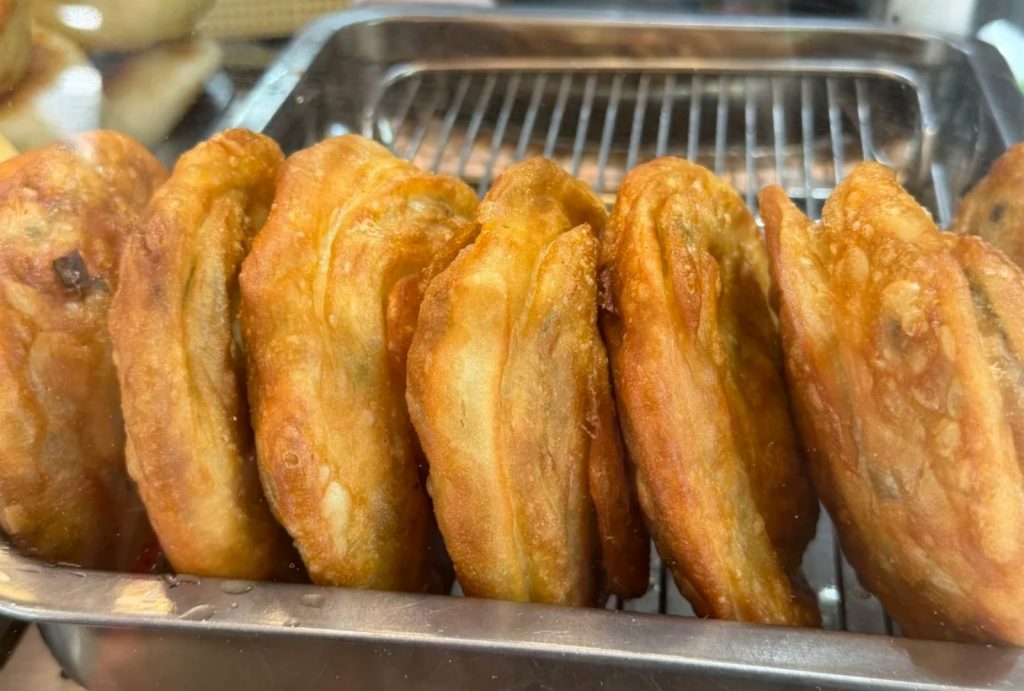
- Scallion Pancakes: Crispy on the outside and soft inside, these layered pancakes are made with dough and fragrant spring onions, making them a popular snack throughout Shanghai.
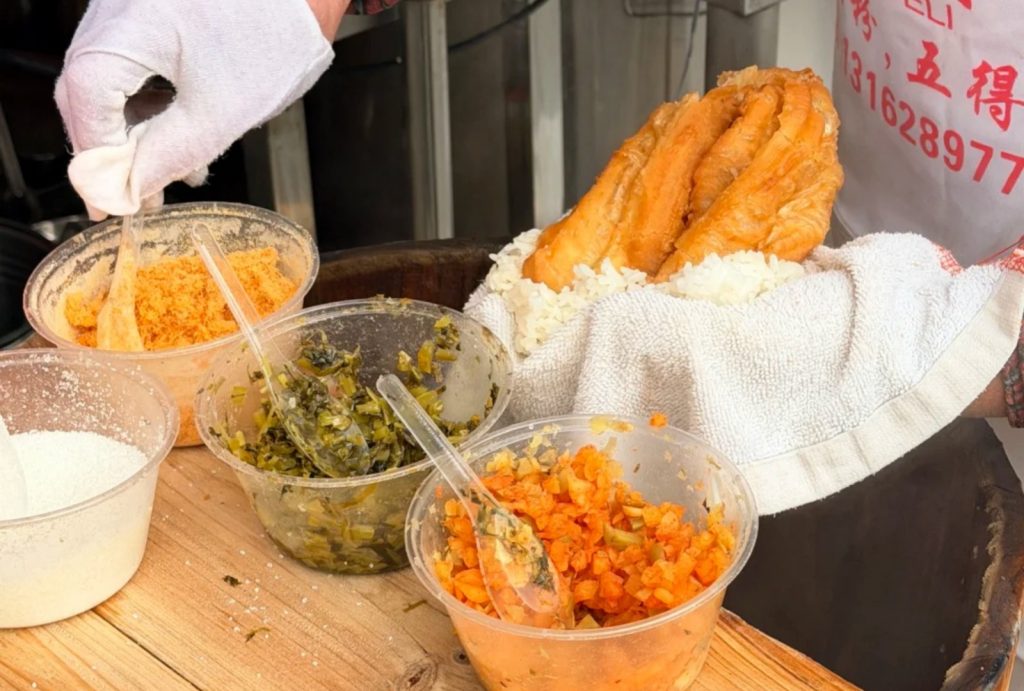
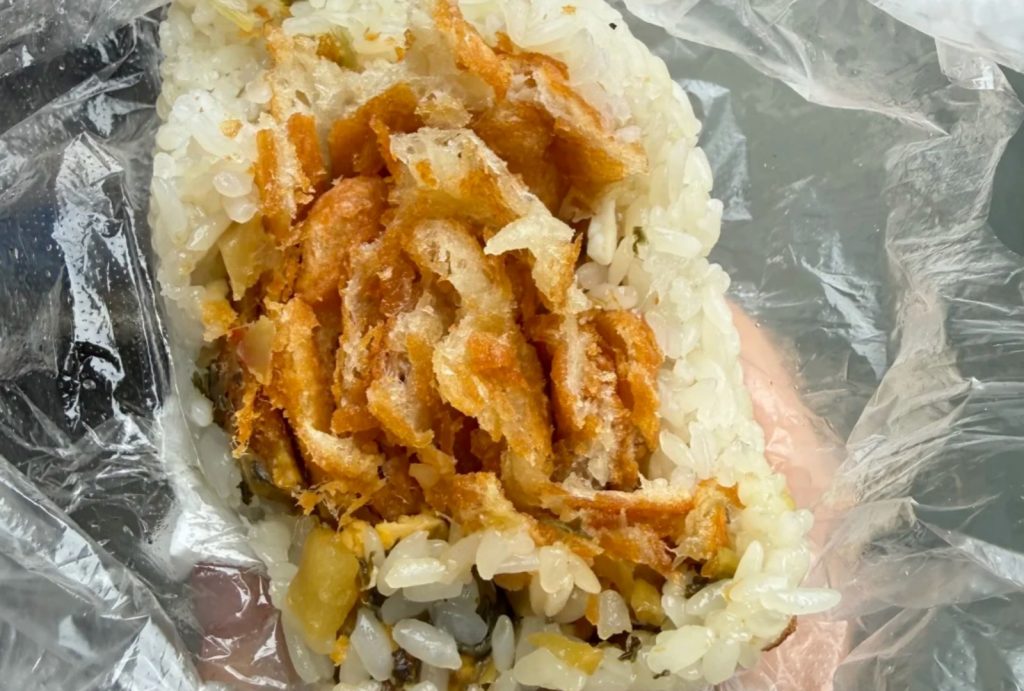
- Sticky Rice Rolls (Cifantuan): A traditional breakfast food made with sticky rice wrapped around fillings such as youtiao, pickles, and pork floss.
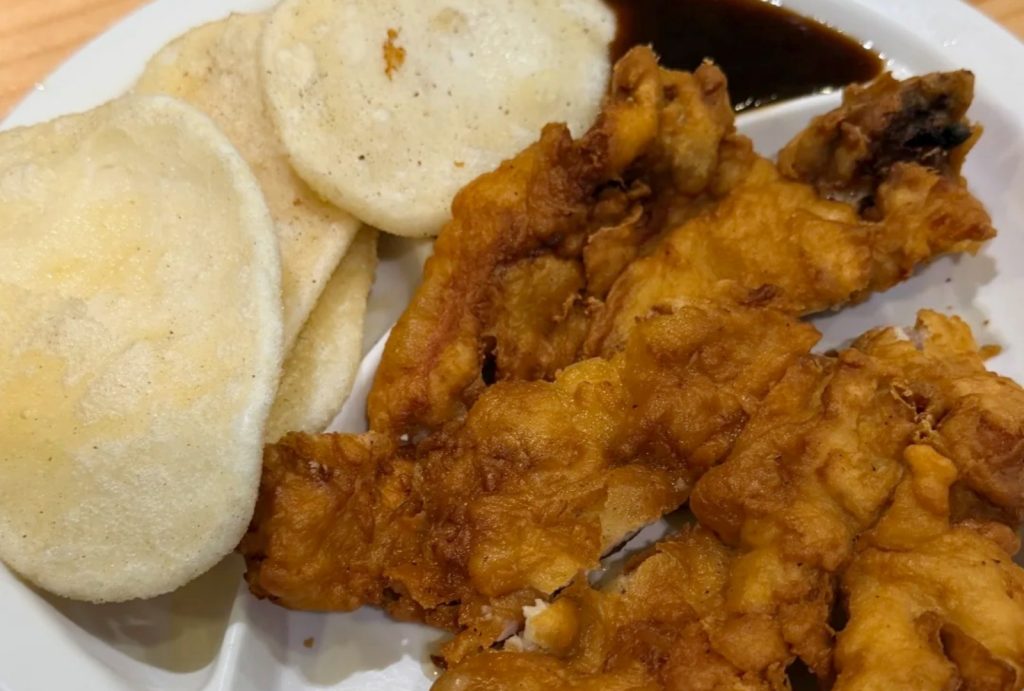
- Pork Chop Rice Cake (Paigu Niangao): A popular Shanghai snack combining crispy fried pork chops with soft, chewy rice cakes cooked in flavorful broth or sauce.
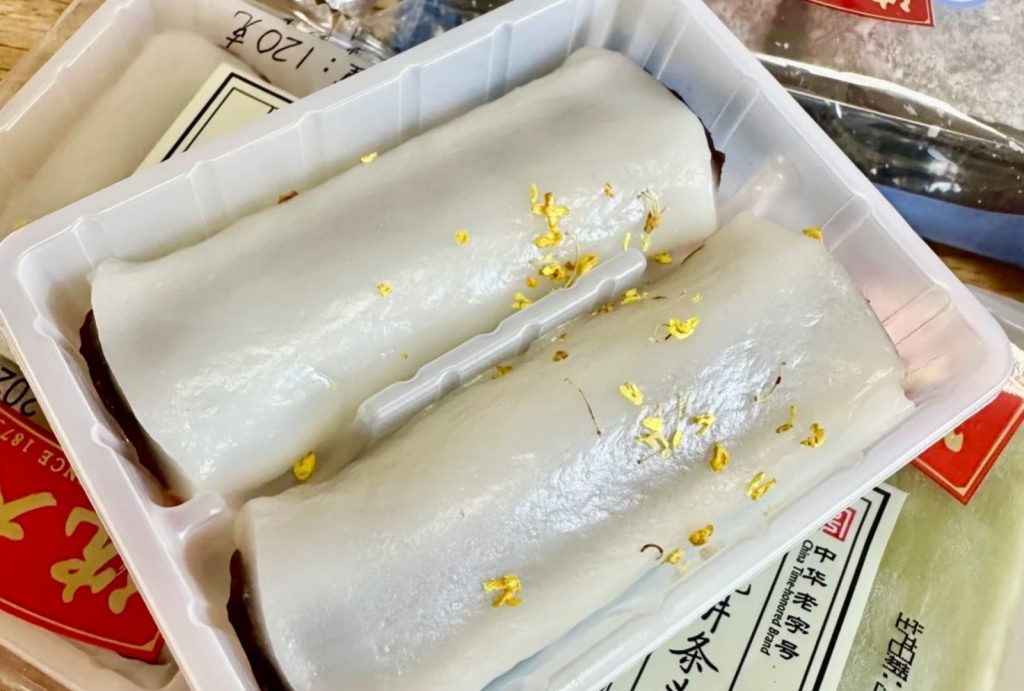
- Shanghai Tiaotou Cake: A soft and chewy pastry made with glutinous rice flour and sweet bean paste, topped with fragrant osmanthus powder. Its red color and long shape symbolize good fortune and happiness.
Where to Eat Local Food in Shanghai
Authentic Shanghai local food can be found throughout the city, from historic restaurants to busy neighborhood streets.
Some of the best places to explore include:
- Time-honored restaurants serving traditional Benbang cuisine
- Local breakfast shops
- Traditional food streets
- Fresh markets with cooked food stalls
- Modern food halls featuring regional specialties
For a more authentic experience, consider eating where local residents gather rather than only visiting tourist-focused restaurants.
Seasonal Foods Worth Trying
Seasonal ingredients play an important role in Shanghai cuisine, so the local food scene changes throughout the year.
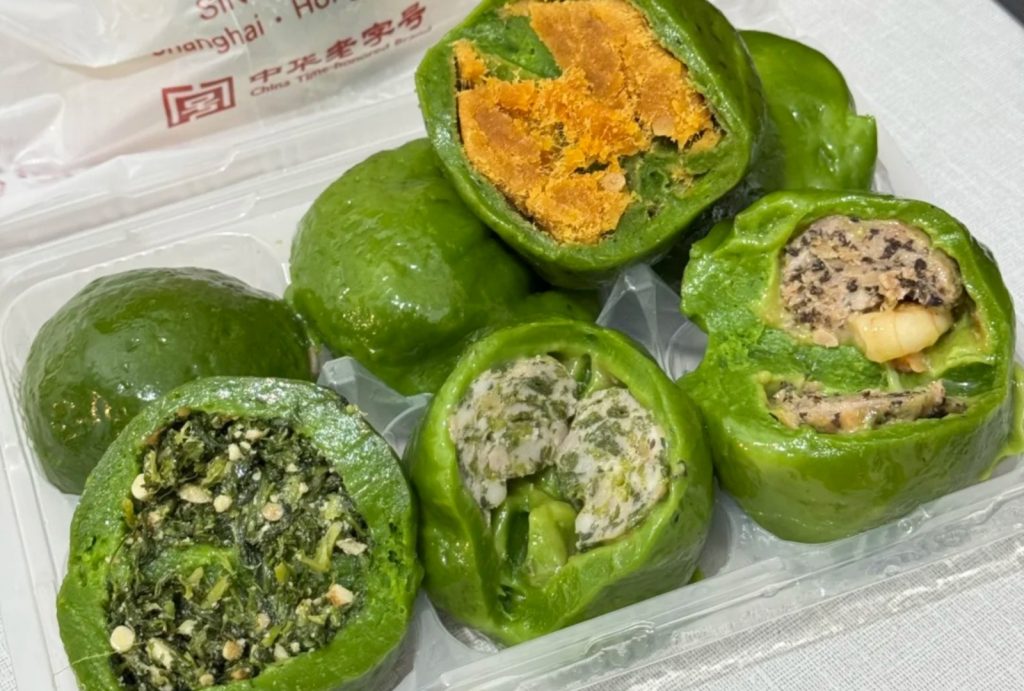
In spring, fresh bamboo shoots and Qingtuan appear in bakeries and markets.
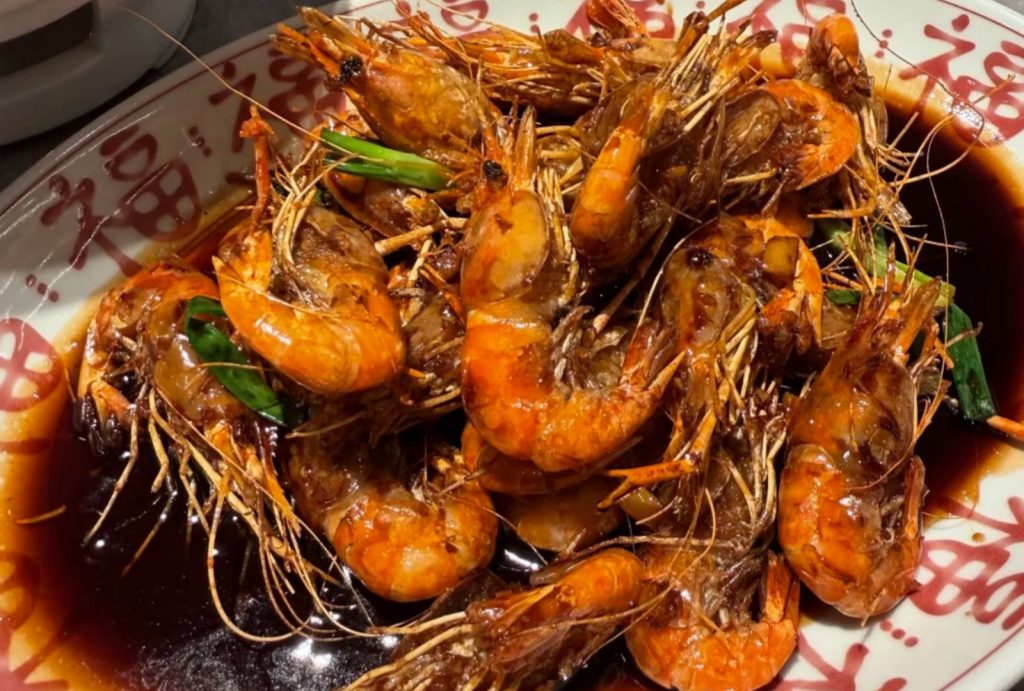
Summer brings lighter dishes featuring freshwater shrimp and seasonal vegetables.
Autumn is the best time to enjoy hairy crab. Many restaurants offer special crab menus during this period.
Winter is ideal for hearty braised dishes, nourishing soups, and warming clay pot meals.
Dining Tips for International Visitors
A few practical tips can make dining in Shanghai easier and more enjoyable.
- Lunch is commonly served between 11:30 am and 2:00 pm, while dinner usually begins around 5:00 pm.
- Many dishes are designed for sharing rather than individual portions.
- Mobile payments like Wechat pay and Alipay are common, although many restaurants also accept international credit cards.
- If you have food allergies or dietary restrictions, you should communicate the requirements before ordering, especially regarding shellfish, nuts, soy, or gluten.
- Vegetarian restaurants are increasingly common, and halal restaurants are available in several districts.
Shanghai’s food culture has been shaped by centuries of trade, bringing together local traditions and culinary influences from across China and beyond. From traditional Benbang dishes to popular street snacks, exploring local cuisine provides you with a deeper understanding of Shanghai’s history, daily life, and enduring culinary traditions.
❓People Also Ask
What should first-time visitors eat in Shanghai?
First-time visitors should try Shanghai classics including Xiaolongbao, Shengjianbao, Hong Shao Rou, Cong You Ban Mian (scallion oil noodles), and local street foods such as scallion pancakes. These dishes offer a good introduction to Shanghai’s traditional flavors.
Where can I eat authentic Shanghai food?
You can find authentic Shanghai food at time-honored restaurants, local breakfast shops, traditional food streets, neighborhood eateries, and fresh markets with cooked food stalls. Eating where local residents dine is often a good way to experience everyday Shanghai cuisine.
Is Shanghai food suitable for children?
Yes. Many Shanghai dishes have mild flavors and soft textures that are suitable for children. Dumplings, noodles, rice cakes, and braised dishes are often popular choices for younger travelers.
How much does a meal cost in Shanghai?
The cost of eating in Shanghai varies depending on the type of restaurant. Local breakfast shops and street food stalls are usually affordable, while traditional restaurants and modern dining venues may cost more. Visitors can enjoy authentic Shanghai dishes at different price levels throughout the city.