Tengchong Travel Guide: What First-Time Visitors Should Know
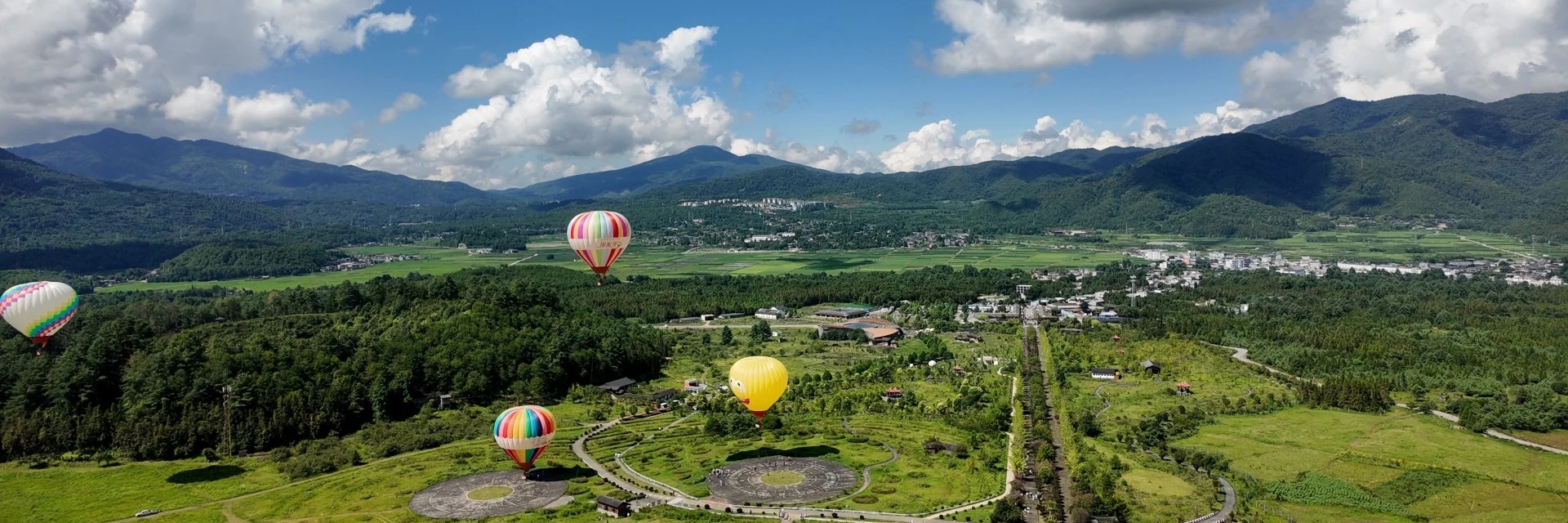
Tengchong, located in western Yunnan near the border with Myanmar, is one of China’s most distinctive travel destinations. Known for its volcanic landscapes, natural hot springs, and well-preserved ancient town culture, it offers international travelers a quieter and more immersive alternative to Yunnan’s more crowded cities.
This Tengchong travel guide is designed for first-time visitors who want to understand what Tengchong is like, what to see, how to plan a trip, and how to make the most of the experience.
Why First-Time Visitors Should Visit Tengchong
Tengchong offers a travel experience that feels different from China’s major tourist cities like Beijing, Shanghai, and Xi’an. It is less commercialized, more nature-focused, and ideal for visitors who enjoy calm environments and scenic exploration.
For international travelers, Tengchong provides an opportunity to experience Yunnan beyond its most famous destinations like Dali and Lijiang. The combination of geothermal landscapes, cultural heritage, and outdoor scenery makes it especially suitable for a slow travel experience.
A Unique Combination of Volcanoes, Hot Springs, and Heritage
Tengchong is known for several distinctive attractions and experiences:
- Volcanic landforms and crater landscapes
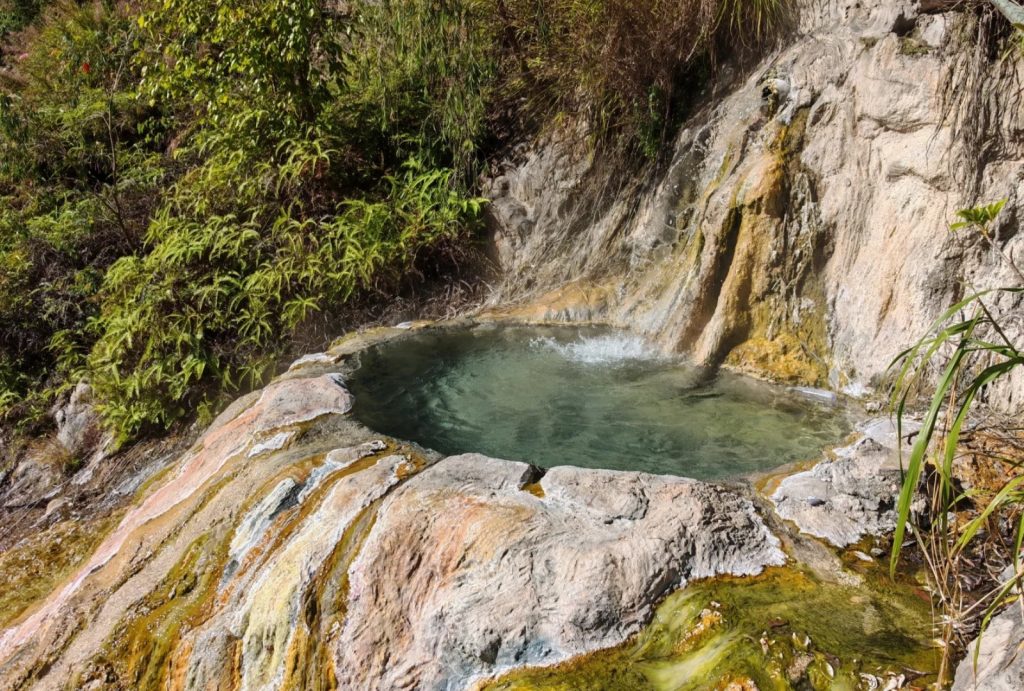
- Natural geothermal hot springs
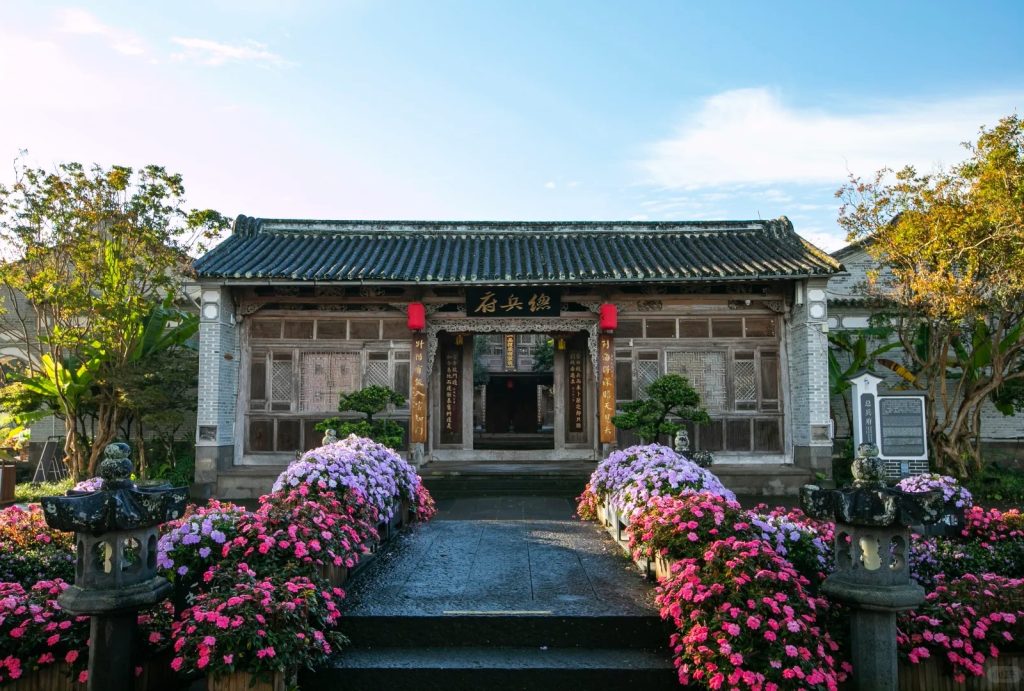
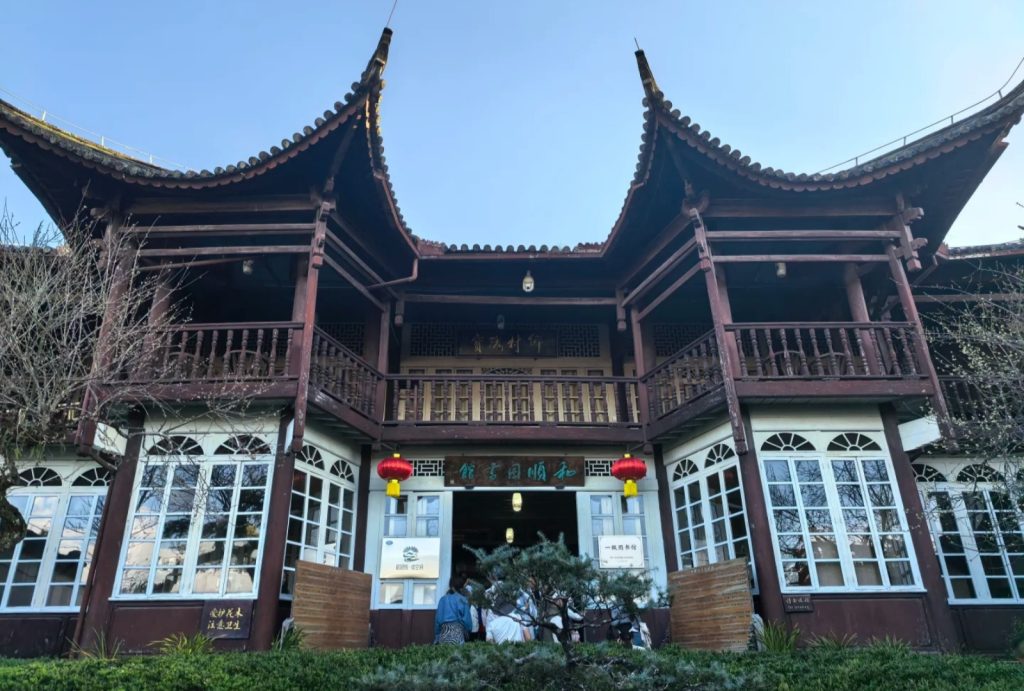
- Heshun Ancient Town and its historic architecture
- Biodiverse mountain and forest scenery
- Cultural influences from historic border trade routes
A More Relaxed Travel Experience
Unlike many major tourist destinations, Tengchong allows visitors to explore at a comfortable pace while enjoying nature and local culture.
- Fewer crowds at major attractions
- Peaceful natural surroundings
- Strong focus on wellness and relaxation
- Opportunities for deeper cultural exploration
A Blend of Nature and Culture
Beyond its scenic landscapes, Tengchong offers a rich cultural experience shaped by history, migration, and local traditions.
- Traditional life in Heshun Ancient Town
- Historic trade and cultural exchange stories
- Diverse local customs and heritage
- A close connection between the landscape and local way of life
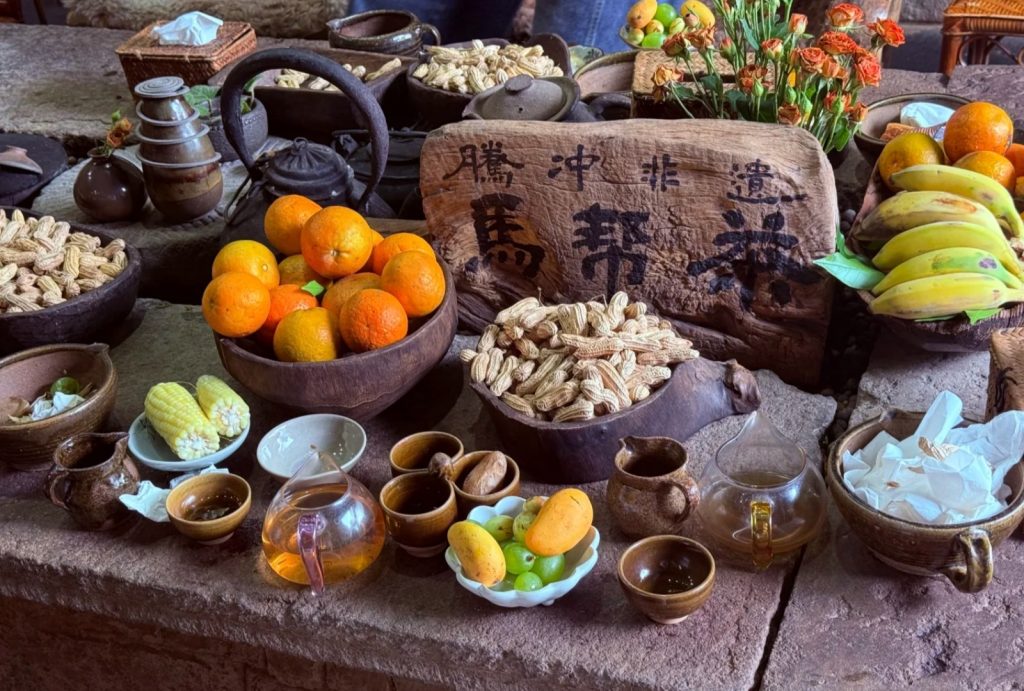
For first-time visitors to Yunnan, Tengchong provides a balanced mix of nature, culture, and relaxation, making it an ideal destination beyond the province’s more familiar tourist routes.
🌋Top Attractions in Tengchong
Tengchong’s attractions are strongly shaped by its volcanic and geothermal geography, as well as its cultural heritage.
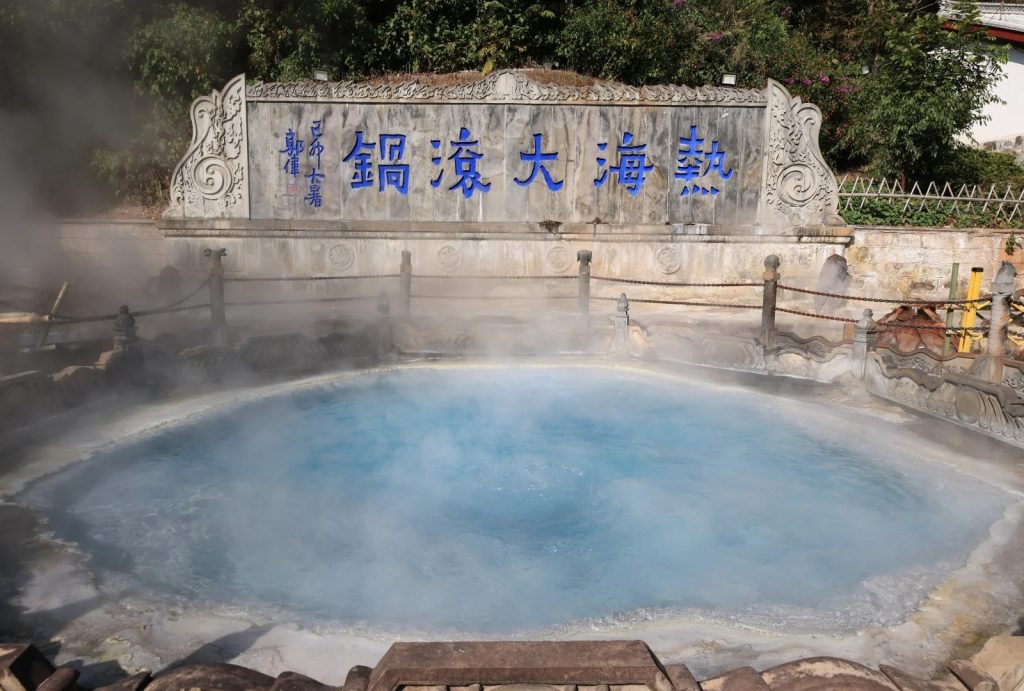
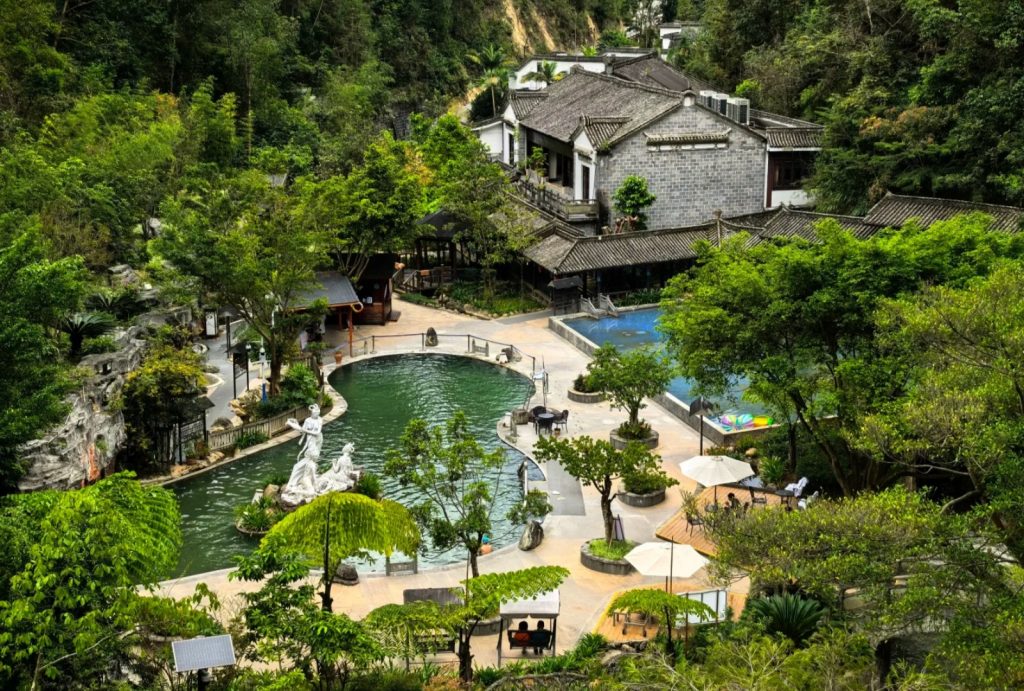
Rehai Scenic Area
Rehai is one of the most famous geothermal areas in China, known for active hot spring pools and steaming landscapes.
- Natural geothermal steam vents
- Thermal bathing experiences
- Scenic walking areas surrounded by mountains
Tengchong Volcano Geological Park
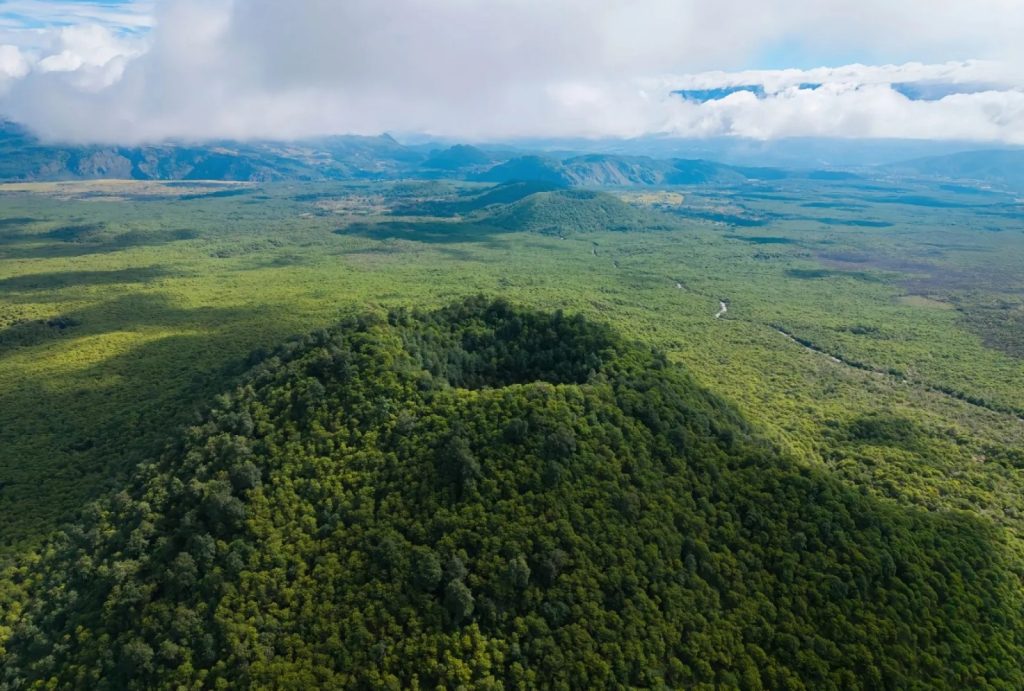
This area showcases extinct volcanic cones and lava landscapes formed through ancient eruptions.
- Volcanic craters and geological formations
- Panoramic viewpoints
- Educational insights into volcanic activity
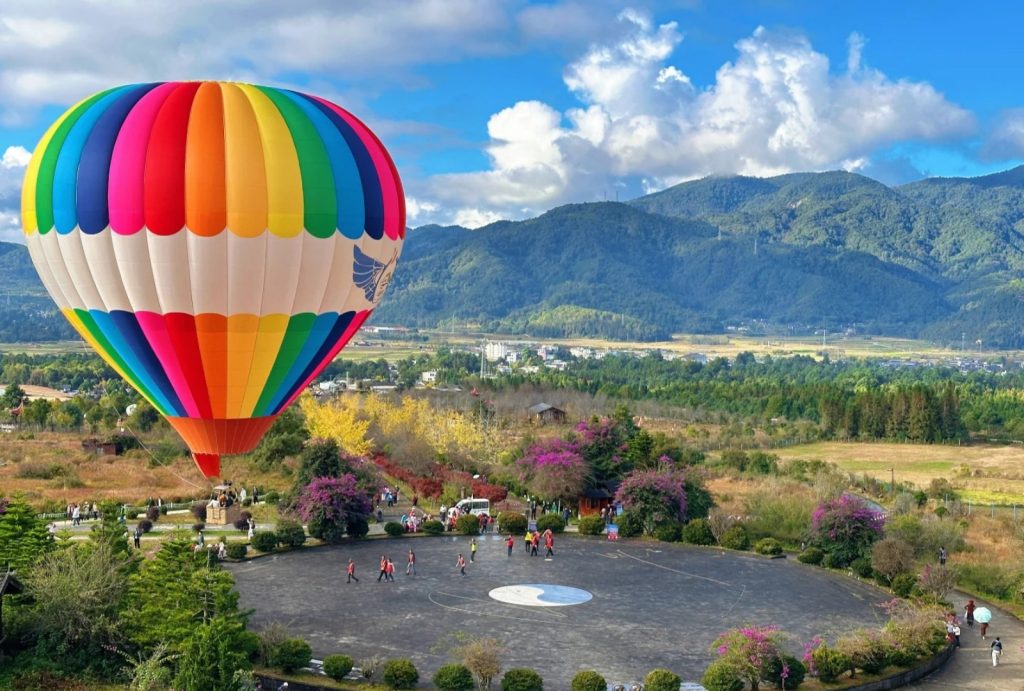
Heshun Ancient Town
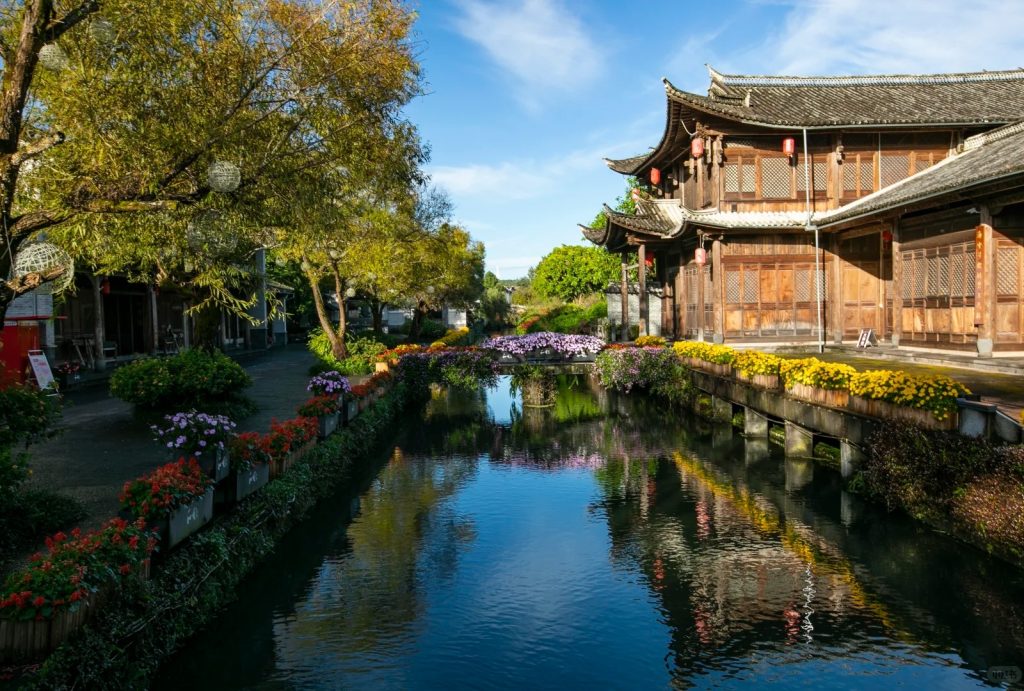
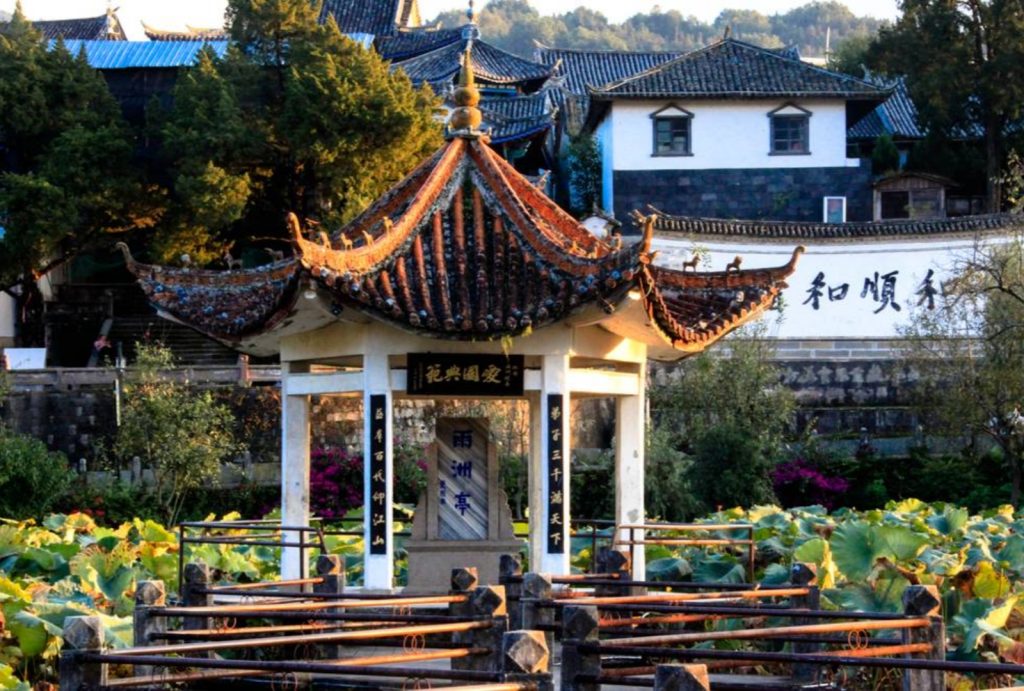
A well-preserved historical town reflecting traditional architecture and cultural heritage.
- Ancient streets and courtyards
- Historical libraries and ancestral halls
- Relaxed cultural atmosphere
Gaoligong Mountain
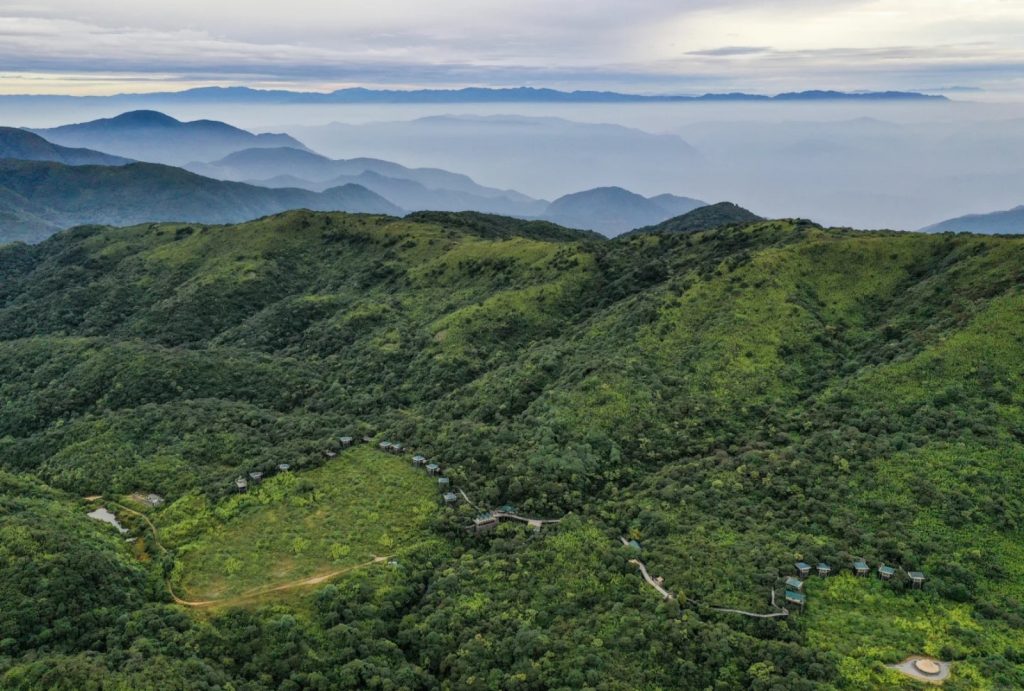
A biodiversity hotspot known for hiking and natural exploration.
- Dense forest ecosystems
- Rare plant and animal species
- Scenic trekking routes
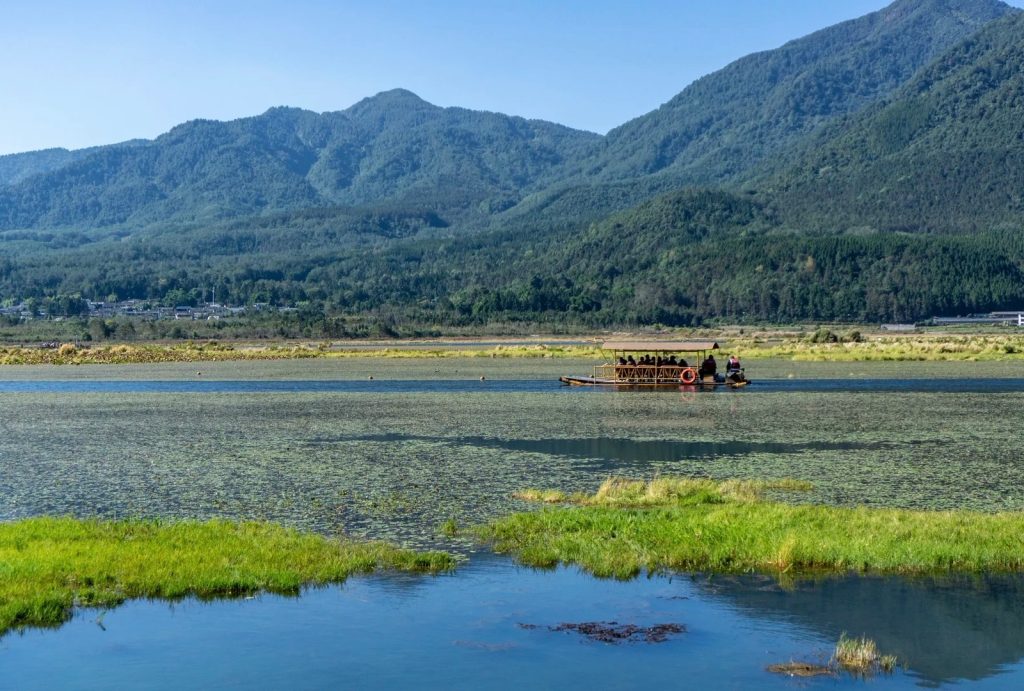
Beihai Wetland
Beihai Wetland is one of Tengchong’s most distinctive natural attractions and the only national wetland reserve in Yunnan formed on a volcanic plateau. Known for its floating meadows, tranquil waterways, and diverse ecosystem, it offers a peaceful escape for nature lovers.
- Floating grasslands and unique wetland landscapes
- Seasonal scenery with changing vegetation and wildlife
- Opportunities for birdwatching and nature photography
- Boardwalks and boat rides through the wetland environment
- A relaxing setting for walking and enjoying Tengchong’s natural beauty
Best Time to Visit Tengchong
The best time to visit Tengchong depends on the experience you are looking for. Thanks to its mild climate, Tengchong is a year-round destination, with each season offering distinct scenery and activities.
🌸 Spring (March – May) | Flower Season
Blooming rapeseed, camellia, and cherry blossoms create colorful landscapes. Ideal for photography and relaxed sightseeing with fewer crowds.
🌿 Summer (June – August) | Cool Escape
With temperatures around 15–22°C, summer is perfect for escaping the heat. It’s great for hiking and nature exploration, though it is also the rainy season.
🍂 Autumn (October – December) | Golden Ginkgo Season
One of the most popular times to visit. Ginkgo Village turns golden, especially from mid-November to early December, offering iconic autumn scenery.
❄️ Winter (December – February) | Hot Spring Season
Clear weather and warm hot springs make winter ideal for relaxation and wellness travel, with occasional chances to see winter cherry blossoms.
Tengchong is suitable for travel in all seasons, with spring and autumn generally offering the most scenic and comfortable conditions.
🛫How to Get to Tengchong
Tengchong is accessible through air and land routes, with most international travelers connecting via major Yunnan transport hubs such as Kunming.
Flight access via Tengchong Tuofeng Airport
The most convenient way to reach Tengchong is by flying into Tengchong Tuofeng Airport.
- Domestic flights operate from Kunming, Chengdu, and other Chinese cities
- Airport is located close to the city center
- Suitable for time-efficient travel planning
Route via Kunming, Dali, or Baoshan
Travelers may also combine Tengchong with other Yunnan destinations.
- Kunming: Main international gateway to Yunnan
- Dali: Scenic overland travel route
- Baoshan: Closest city with road access
Arrival tips for international travelers
Understanding local transport connections helps ensure a smooth arrival.
- Pre-arrange airport transfers when possible
- Travel times may vary due to mountain roads
- Private transfers are often the most convenient option
🏨Where to Stay in Tengchong
Accommodation in Tengchong is closely connected to its travel experience, with options ranging from hot spring resorts to boutique stays.
Hot spring resorts
Ideal for travelers who want relaxation and wellness experiences.
- Direct access to geothermal pools
- Scenic natural surroundings
- Quiet retreat-style environment
Heshun Ancient Town stays
Perfect for cultural immersion and atmospheric travel.
- Traditional-style guesthouses
- Walkable historic streets
- Cultural and photographic experience
City hotels
Convenient for transport and general access.
- Close to restaurants and services
- Easy transportation to attractions
- Suitable for short stays
🍲What to Eat in Tengchong
Tengchong’s cuisine reflects the flavors of western Yunnan, featuring rice-based dishes, slow-cooked specialties, and ingredients sourced from the region’s fertile mountains and valleys. Exploring local food is an important part of the travel experience.
Must-Try Local Dishes
Several traditional dishes have become symbols of Tengchong’s culinary culture:
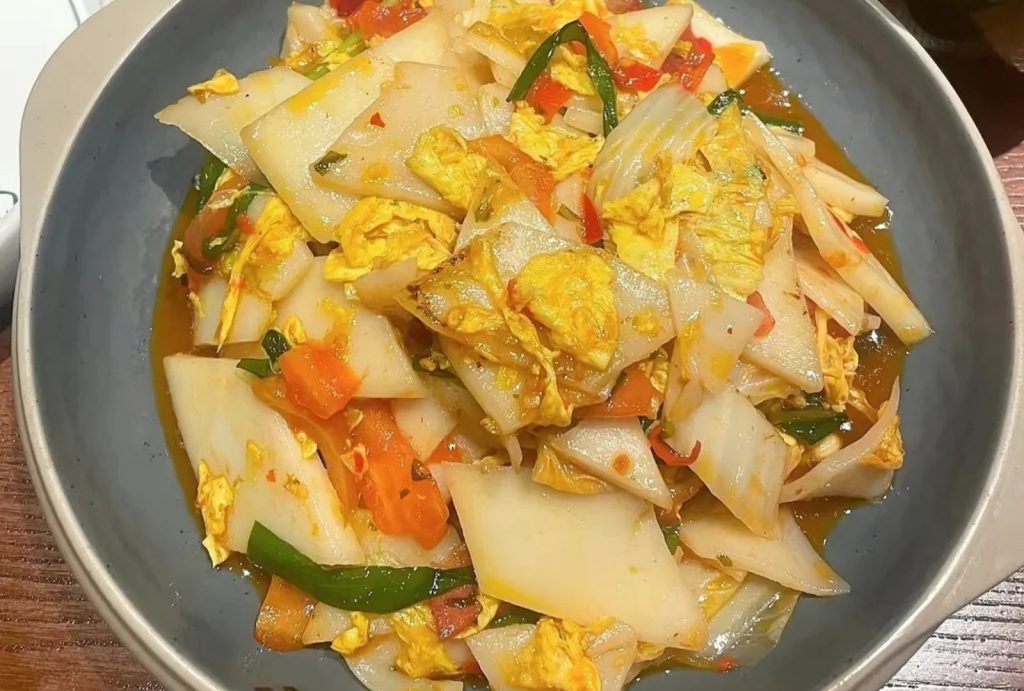
- Dajiujia (Fried Erkuai) – Tengchong’s most famous local dish, made by stir-frying soft rice cakes with vegetables, eggs, and meat.
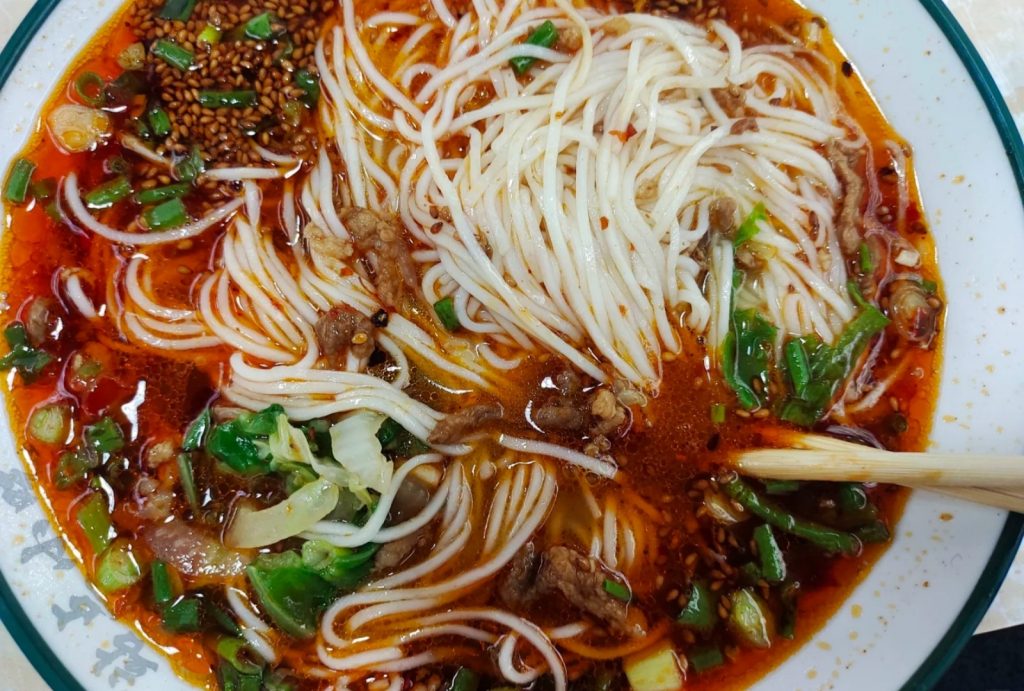
- Tengchong Ersi (Rice Noodles) – A local specialty with nearly 400 years of history, known for its smooth texture and delicate flavor.
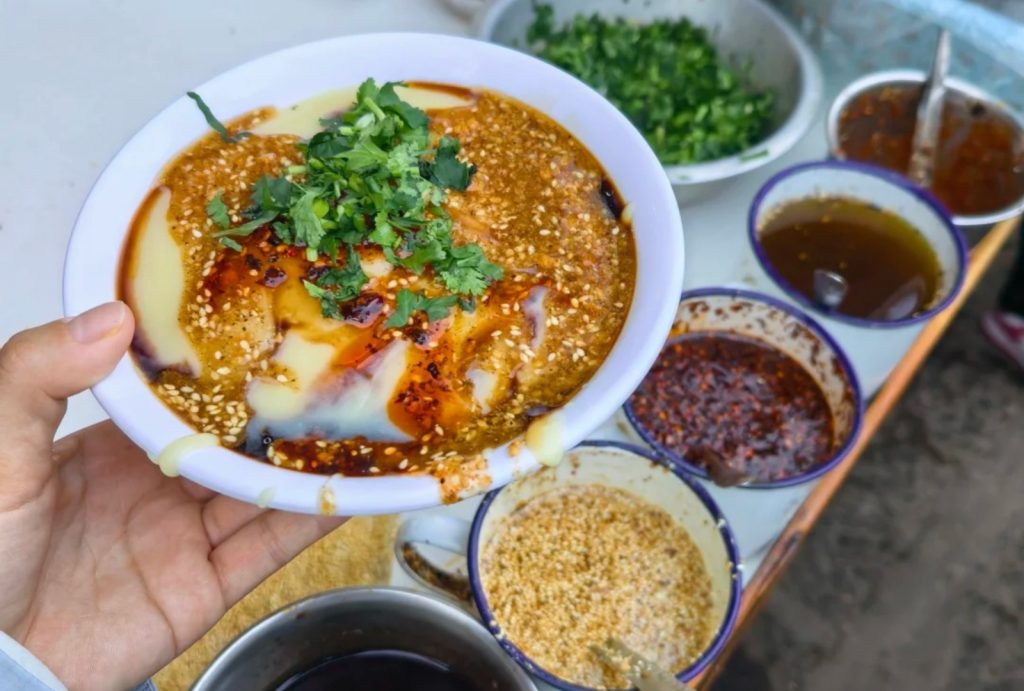
- Xidoufen (Pea Soup Paste) – A traditional breakfast dish made from ground peas, often served with rice noodles, fried dough sticks, or rice cakes.
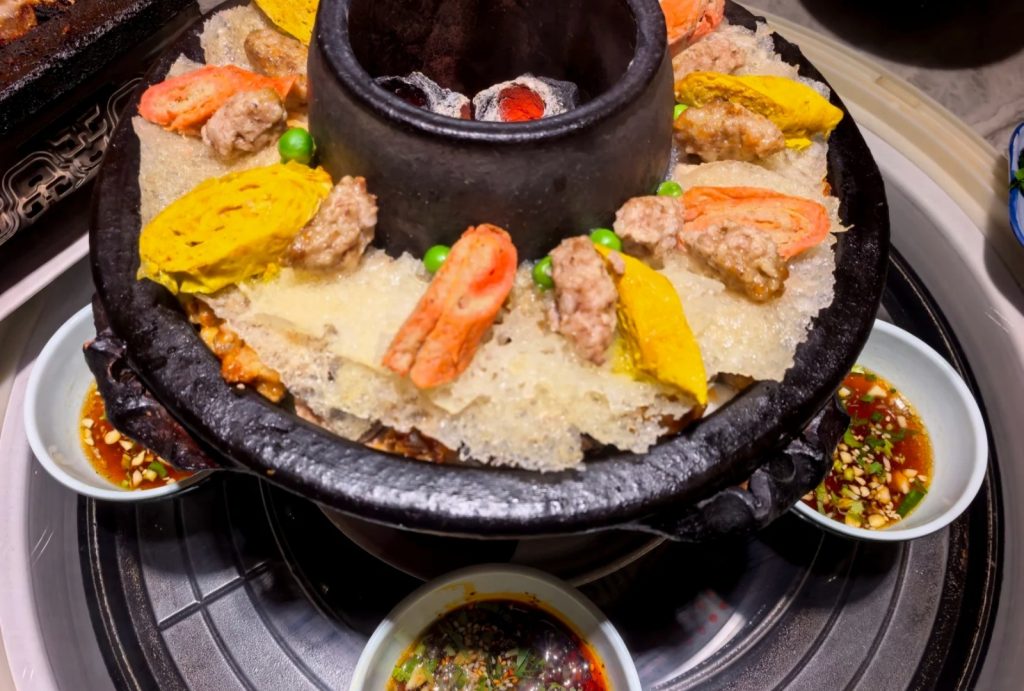
- Tuguozi (Earthen Pot Stew) – A hearty slow-cooked hotpot prepared with vegetables, meat, and broth in traditional clay pots.
Unique Regional Specialties
Beyond everyday dishes, Tengchong also offers seasonal and ethnic specialties that reflect the area’s cultural diversity.
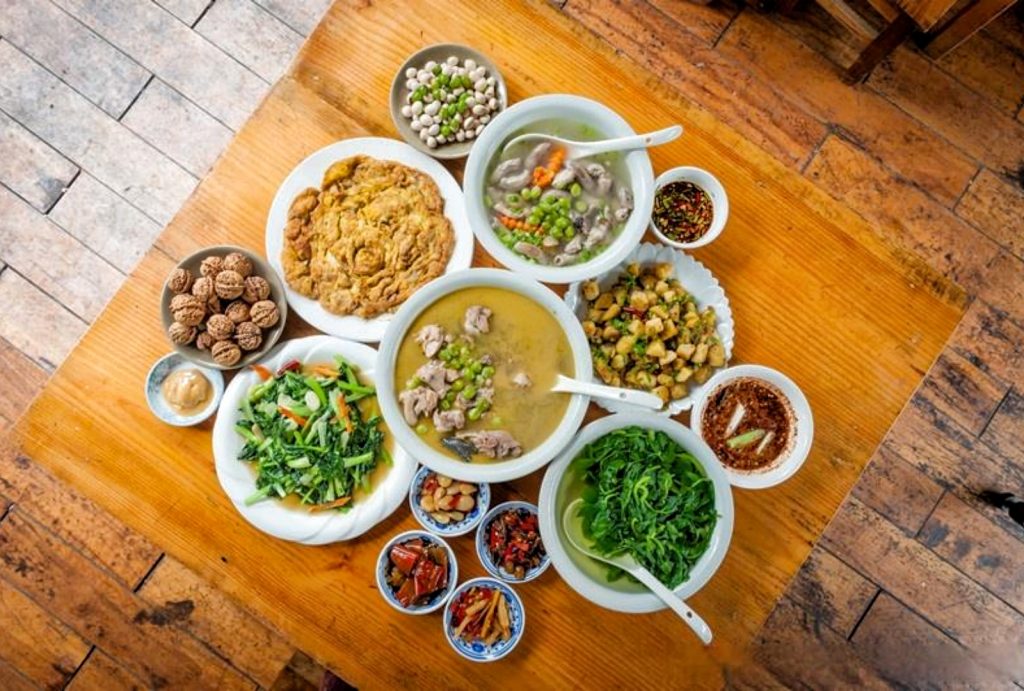
- Ginkgo Banquet – A specialty of nearby Ginkgo Village featuring dishes made from locally grown ginkgo nuts, including soups, roasted snacks, and stewed chicken.
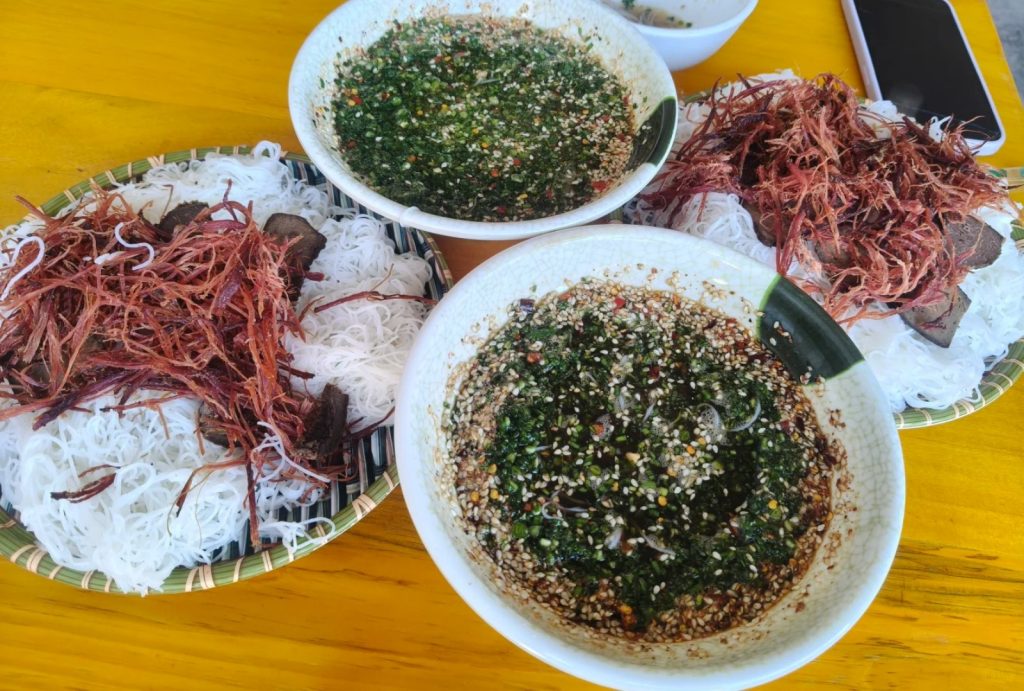
- Sapie (Dai-Style Salad) – A traditional dish of the Dai ethnic group, available in different styles such as lemon-flavored or bitter varieties, often prepared with beef, fish, or pork.
These local foods provide visitors with a deeper understanding of Tengchong’s culture, traditions, and regional flavors.
Travel Tips for First-Time Visitors
First-time travelers will benefit from a few practical insights that improve comfort and travel experience.
Weather and packing
Tengchong’s climate is mild but can change with elevation.
- Light layers for daytime travel
- Warm clothing for evenings and mountains
- Comfortable walking shoes
Hot spring etiquette
Hot spring visits are a key part of the Tengchong experience.
- Follow local bathing rules
- Stay hydrated during hot spring use
- Respect quiet relaxation spaces
Language and communication
English is limited in some areas.
- Translation apps are helpful
- Hotels can assist with arrangements
- Guided services improve convenience
Tengchong offers a well-rounded travel experience that combines natural scenery, cultural heritage, and opportunities for relaxation. From exploring ancient streets in Heshun Ancient Town and walking through the unique landscapes of Beihai Wetland to discovering volcanic geology and local culinary traditions, visitors can experience many different sides of western Yunnan in a single trip.
For first-time international travelers, Tengchong provides an opportunity to slow down, connect with local culture, and enjoy a destination that remains less crowded and more authentic than many of China’s better-known tourist cities.
❓Frequently Asked Questions
Is Tengchong worth visiting for international travelers?
Yes. Tengchong offers a unique combination of volcanic landscapes, natural hot springs, historic towns, and mountain scenery. It is less crowded than many of Yunnan’s more famous destinations, making it ideal for travelers seeking a more relaxed and authentic experience.
When is the best time to visit Tengchong?
The best time to visit Tengchong depends on the type of experience you are looking for, as the destination offers distinct seasonal highlights throughout the year. Spring (March to May) and autumn (October to December) are generally the most recommended periods.
What local foods should visitors try in Tengchong?
Travelers should try Dajiujia (fried erkuai), Tengchong Ersi rice noodles, Xidoufen, and Tuguozi earthen pot stew. Seasonal specialties such as Ginkgo Banquet dishes and Dai-style Sapie also offer a taste of local culinary traditions.
Can Tengchong be combined with other Yunnan destinations?
Yes. Tengchong is often combined with Kunming, Dali, Lijiang, Shangri-La, or the nearby Gaoligong Mountain region. Its location in western Yunnan makes it a rewarding addition to a longer Yunnan travel itinerary focused on nature, culture, and scenic landscapes.