Xinjiang International Grand Bazaar: Urumqi’s Iconic Market
By Julia
Hi, this is Julia. Visiting Xinjiang International Grand Bazaar, I was instantly immersed in a vibrant world of sights, sounds, and flavors. After more than a decade exploring China’s diverse regions, I can say this Urumqi landmark is truly unique. Blending Uyghur culture, Silk Road history, and lively market life, it’s more than shopping — it’s an experience. In this travel guide, I’ll share everything you need to know, from cultural highlights to the essential tips, including where to find authentic food and how to get to Grand Bazaar.
Top 3 Reasons to Visit Xinjiang International Grand Bazaar
Cultural Immersion: Treasures of the Silk Road
Xinjiang International Grand Bazaar is often called the “Window of Central Asia”, showcasing the region’s Silk Road heritage. It’s also seen as the “Cultural Showcase of Xinjiang”, where visitors experience Uyghur traditions, food, music, and handicrafts all in one place.
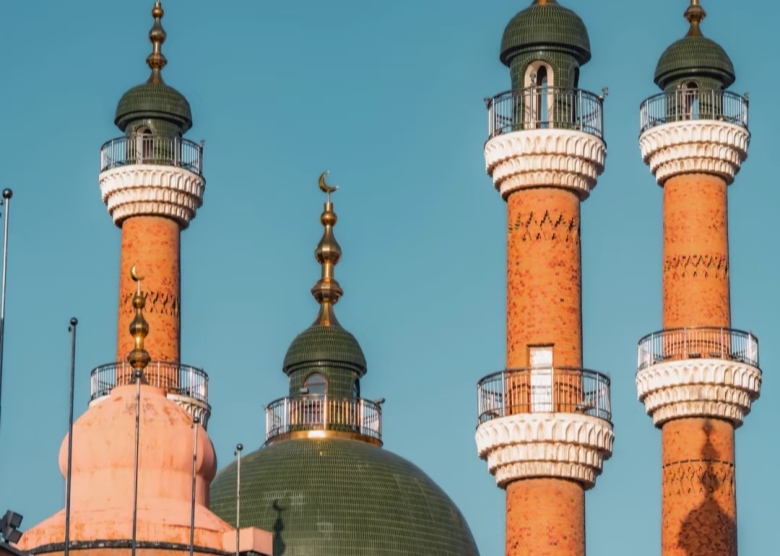
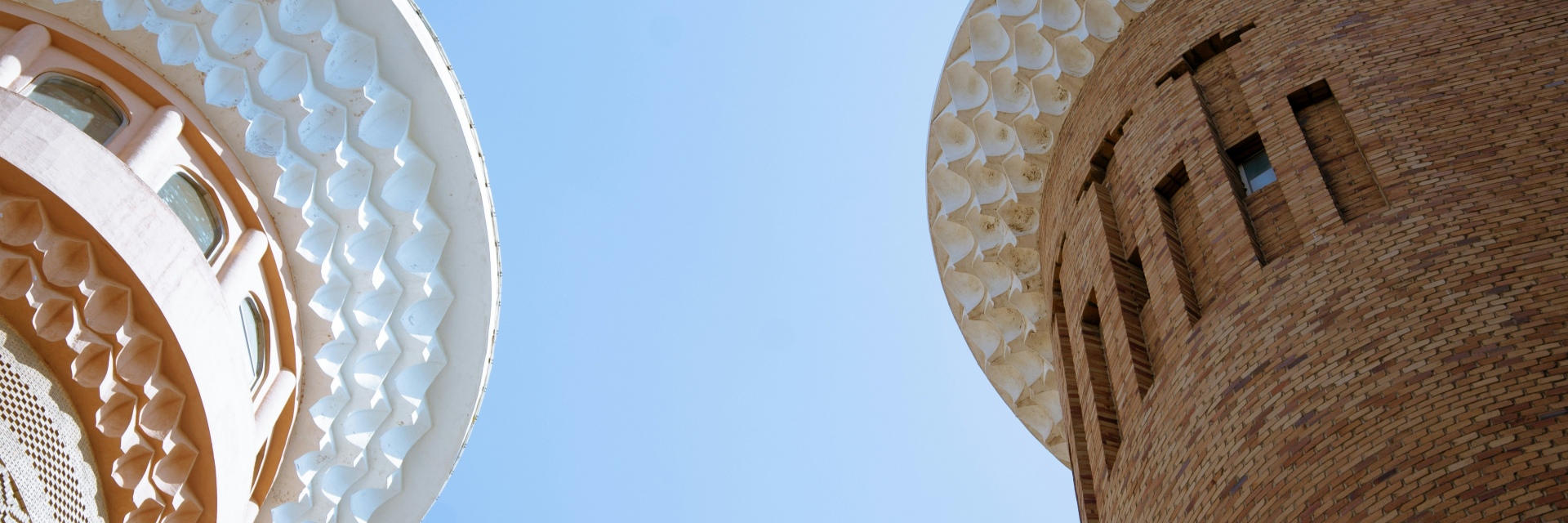
The bazaar’s architecture itself is a spectacle, blending Islamic influences with elements of Greek, Ancient Roman, West Asian, and Middle Asian design. Towering domes, intricate brickwork, and elegant archways create a visually stunning environment. A prominent feature is the 100-meter-high Silk Road Sightseeing Tower, offering panoramic views of Urumqi city and exhibitions detailing the historical narrative of the Silk Road.
Walking through its ornate Islamic-style architecture, you’re surrounded by traditional music, folk dances, and the aroma of roasted lamb skewers and fresh naan. Stalls overflow with Uyghur handicrafts, carpets, jade, and spices, offering an authentic glimpse into local traditions. Engaging with vendors, tasting regional delicacies, and exploring cultural performances make visiting the bazaar a true immersion into Xinjiang’s diverse identity.
A Culinary Journey: Savoring Xinjiang’s Flavors
The Grand Bazaar is as much a foodie’s paradise as it is a shopper’s delight. The aroma of freshly baked bread and sizzling kebabs fills the air, inviting you to embark on a gastronomic adventure. The Food Square alone covers 3,225 square meters, offering a wide variety of traditional Xinjiang dishes that showcase the region’s diverse culinary heritage.
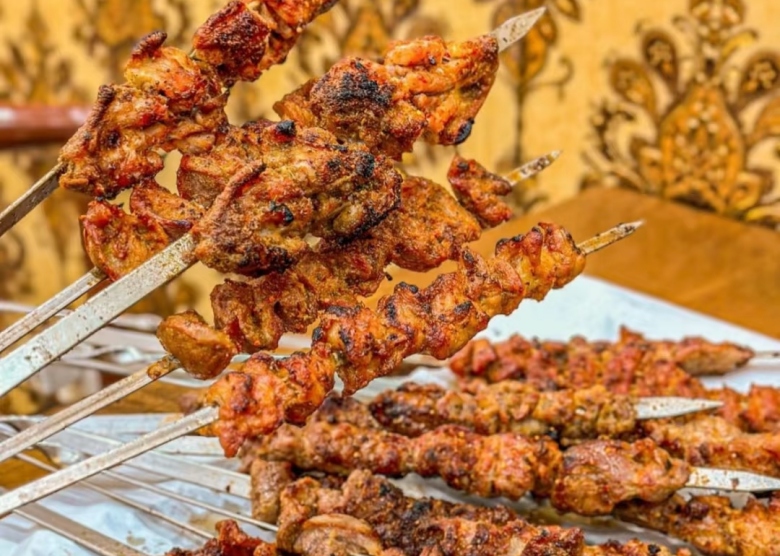
- Roasted Whole Lamb & Kebabs: A Feast for the Senses
A classic Uyghur dish, roasted whole lamb is slow-cooked to perfection. Equally popular are the savory lamb kebabs (kawap), grilled fresh and seasoned with local spices – a truly unforgettable street food experience.
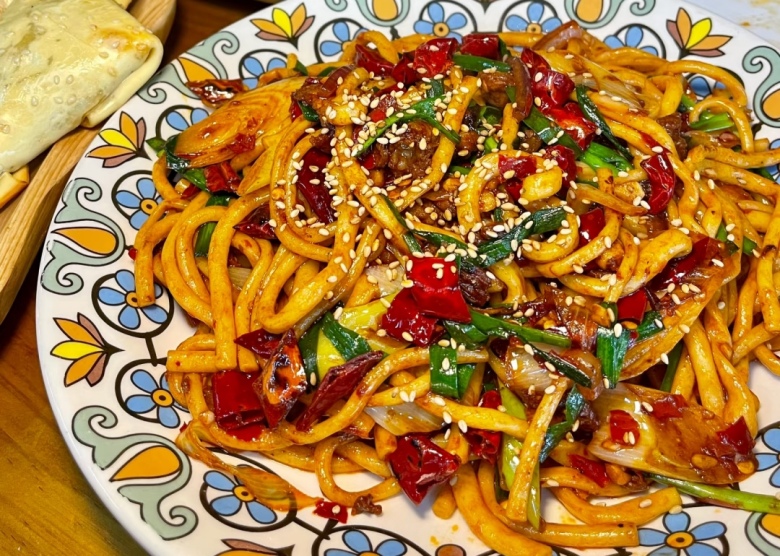
- Hand-Pulled Noodles (Lagman) & Pilaf (Polo): Hearty Staples
These chewy, flavorful noodles, typically served with rich beef or lamb sauce, are a must-try. Complement them with polo, a fragrant rice dish cooked with carrots, tender lamb, and sometimes raisins, offering a delightful blend of savory and sweet.
- Naan Bread: The Staff of Life
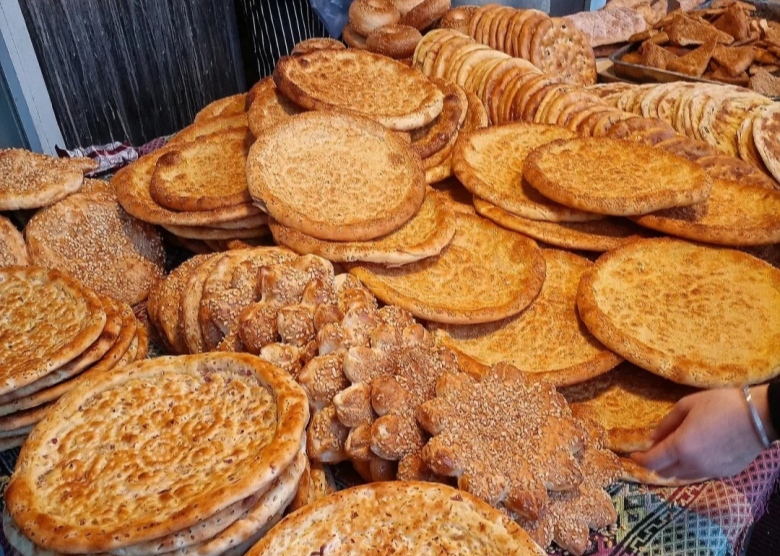
Xinjiang’s staple food, naan, is a thick, crispy flatbread, perfect for dipping or accompanying any meal. Within the bazaar, you can even visit a Naan Museum to learn about its cultural significance and witness over 100 varieties.
Largest Bazaar in Asia: Must-Have Souvenirs
- National Treasures: Textiles, Clothing & Musical Instruments
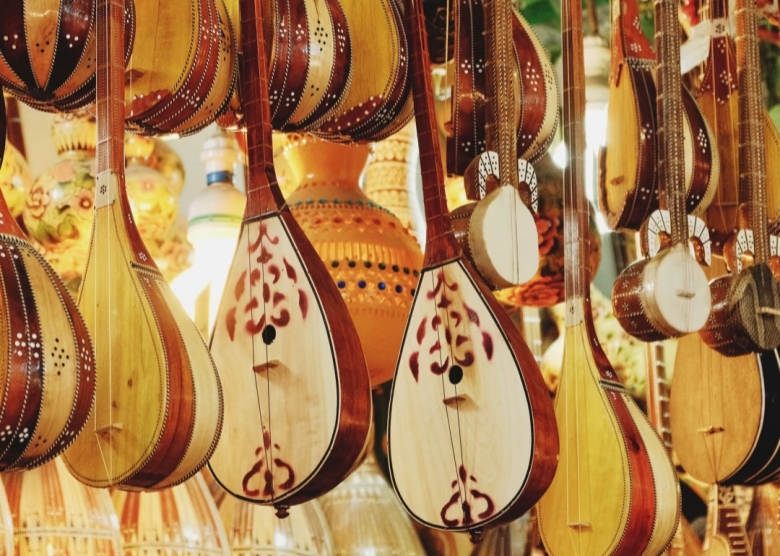
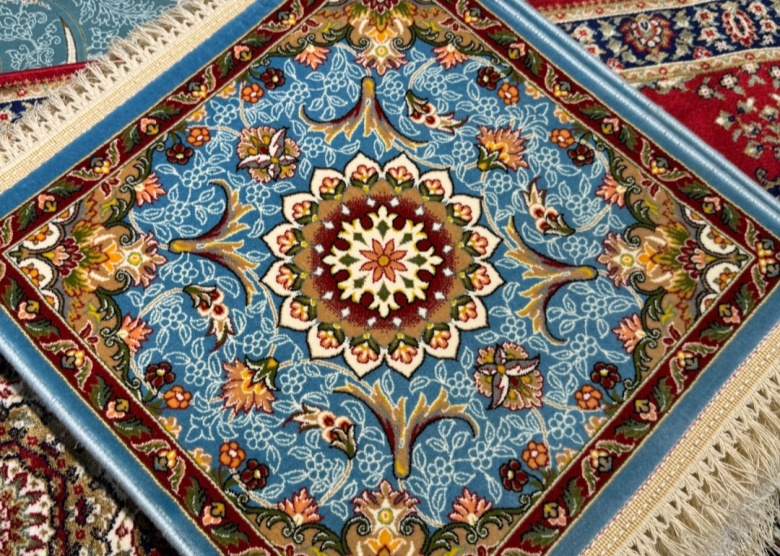
Xinjiang International Grand Bazaar showcases rich national features, especially in textiles and clothing, where vibrant Uyghur dresses, scarves, and handmade carpets reflect centuries of tradition. Stalls with musical instruments like rawap, tambur, and dap drums highlight the region’s artistic spirit, offering visitors a cultural journey through craftsmanship, melody, and Silk Road heritage.
- Dried Fruits: A Taste of Xinjiang
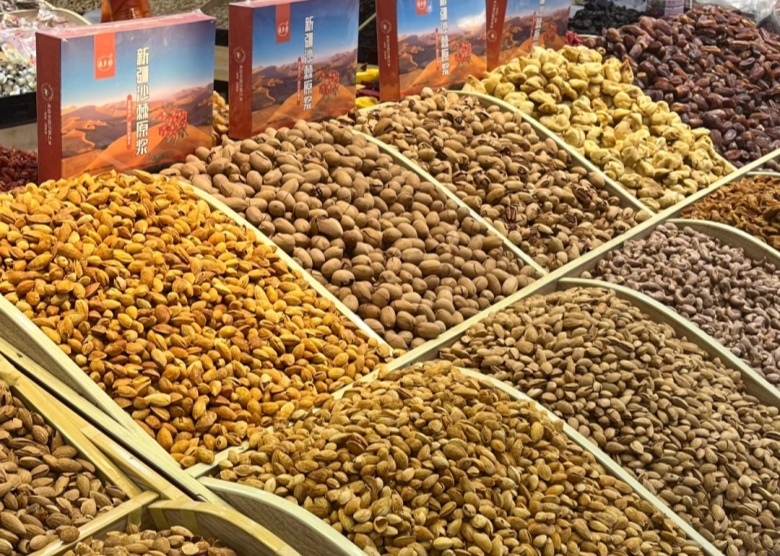
Xinjiang is famed for its bountiful produce. Stock up on local delicacies such as dried apricots, raisins, pistachios, walnuts, and Hami melons. These make excellent gifts and delicious snacks. You’ll also find an array of spices that define the region’s unique culinary profile.
Expert Tips for Xinjiang International Grand Bazaar
How to Get to Grand Bazaar?
Getting to Xinjiang International Grand Bazaar is convenient, whether you’re based in central Urumqi or arriving from the airport.
By Taxi/Private Transfer: The easiest and most comfortable option. A private transfer or taxi from Urumqi Tianshan International Airport takes about 38 minutes.
By Metro: Take Line 1 to Erdaoqiao Station and walk about 3 minutes.
Tip: For stress-free travel, many visitors choose a private transfer, ensuring a direct and comfortable ride without navigating local transport.
Best Time to Visit Xinjiang International Grand Bazaar
The best time to visit Xinjiang International Grand Bazaar is during autumn (September to October), when pleasant weather and vibrant cultural activities create an ideal experience. Spring (April to May) is also a good alternative. During these periods, crowds are manageable and you can fully experience the vibrant Uyghur culture, bustling markets, and aromatic food stalls.
It’ s especially important to avoid Chinese National Day (October 1-7), when the bazaar becomes extremely crowded with domestic tourists, resulting in long waits. Visiting in early September or late May offers a more relaxed and immersive experience.
Best Time of Day to Visit Grand Bazaar
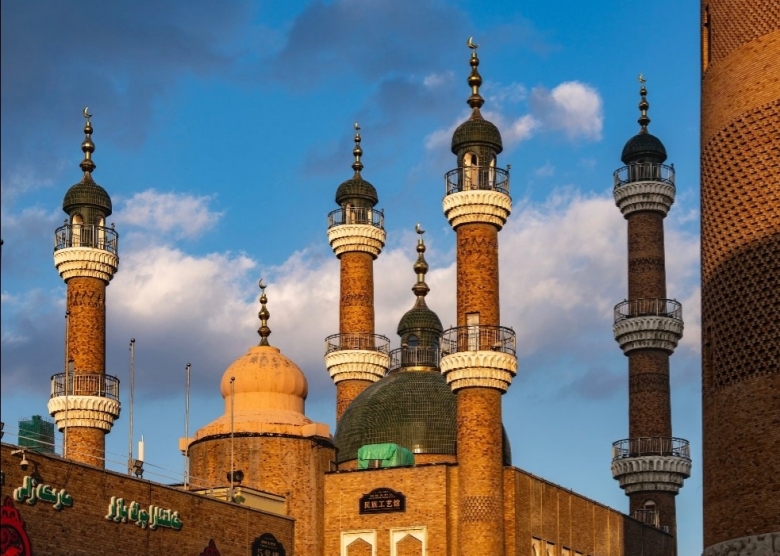
The optimal time to visit Xinjiang International Grand Bazaar is around 7 PM, when you can experience both daylight and evening atmospheres in one visit. Thanks to Xinjiang’s extended daylight hours (sunset can be as late as 10 PM in summer), you’ll enjoy the vibrant market in natural light before witnessing its transformation under beautiful night illumination. This timing perfectly captures the market’s dual charm while letting you avoid peak afternoon heat and crowds. As temperatures drop after sunset, bringing a light jacket ensures comfortable exploration of the bazaar’s handicraft stalls and food vendors.
Photography Tips
Capturing the charm of Xinjiang International Grand Bazaar is a rewarding experience, but knowing where and how to shoot makes a big difference:
Golden Hour Shots: Visit early morning or late afternoon for softer light on the bazaar’s Islamic-style architecture and the iconic minaret tower.
Street Life Moments: Focus on vendors selling naan, dried fruits, or spices to capture authentic daily scenes.
Respect Locals: Always ask before photographing people, especially performers or vendors.
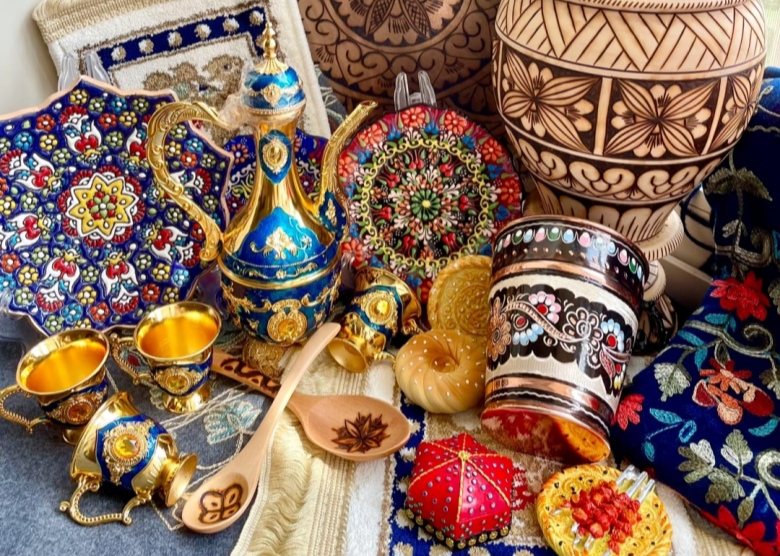
Xinjiang International Grand Bazaar stands as Urumqi’s cultural icon, blending history, tradition, and vibrant daily life. Whether you come for shopping, photography, or to taste authentic Uyghur cuisine, the bazaar offers a true window into Xinjiang’s heritage and Silk Road spirit—an experience every traveler should not miss.