Top Things to Do in Beijing Hutongs
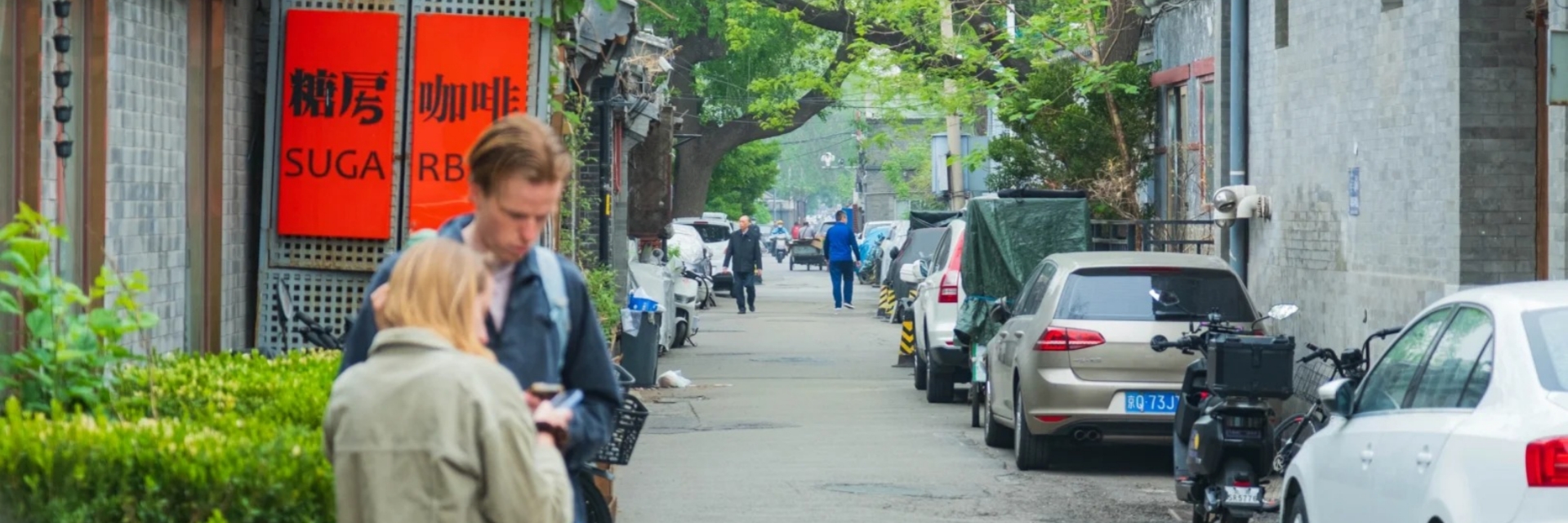
Beijing hutongs, a labyrinth of historic alleys and traditional courtyards, offer a unique glimpse into Chinese local life. This guide highlights the most authentic things to do in Beijing hutongs for an immersive experience. From street food to conversations with residents, every corner reveals a story.
What Are Beijing Hutongs? A Quick Introduction
Dating back to the Yuan Dynasty in the 13th century, the word “hutong” (胡同) actually originates from the Mongolian word for “water well” (hottog), because ancient neighborhoods were naturally built around vital community wells. While the emperors lived in the grand, sweeping palaces of the Forbidden City, the hutongs were where the everyday citizens of Beijing lived, worked, and socialized.
- Architectural Design: Historically, Beijing was laid out on a strict, imperial grid. Most authentic hutongs run precisely from east to west. This layout ensured that the main gates of the courtyard homes could face south, maximizing the warmth of the winter sun and aligning with traditional Feng Shui principles.
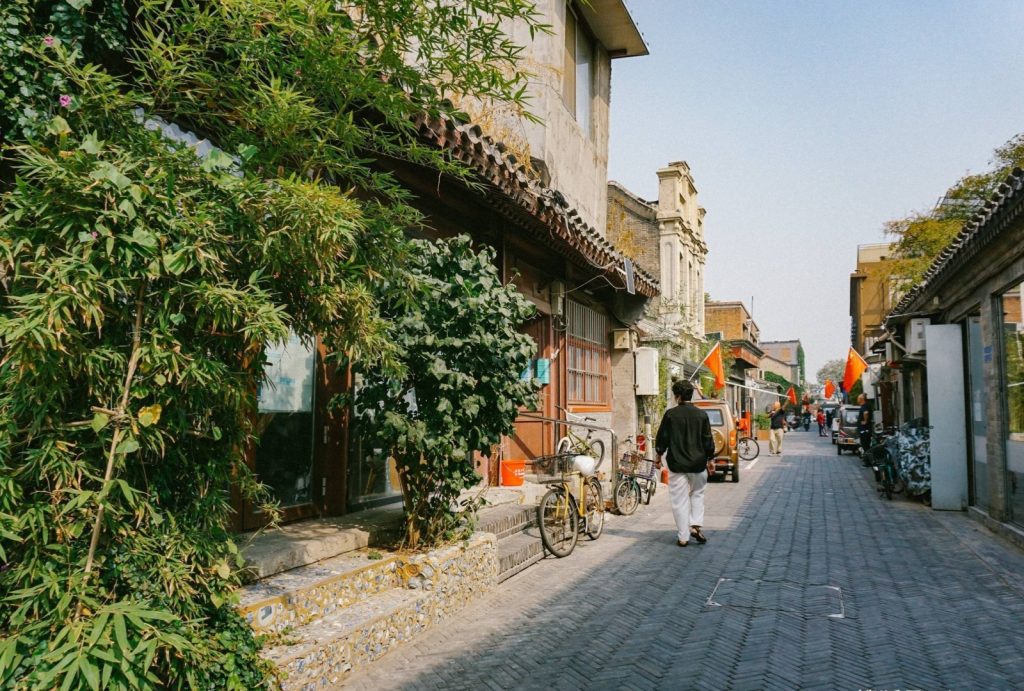
Today, the surviving protected districts are not empty relics. They remain vibrant, living communities where elderly locals still play chess in narrow lanes and the scent of home-cooked meals fills the air.
1️⃣ Step Inside a Local Family’s Courtyard Home
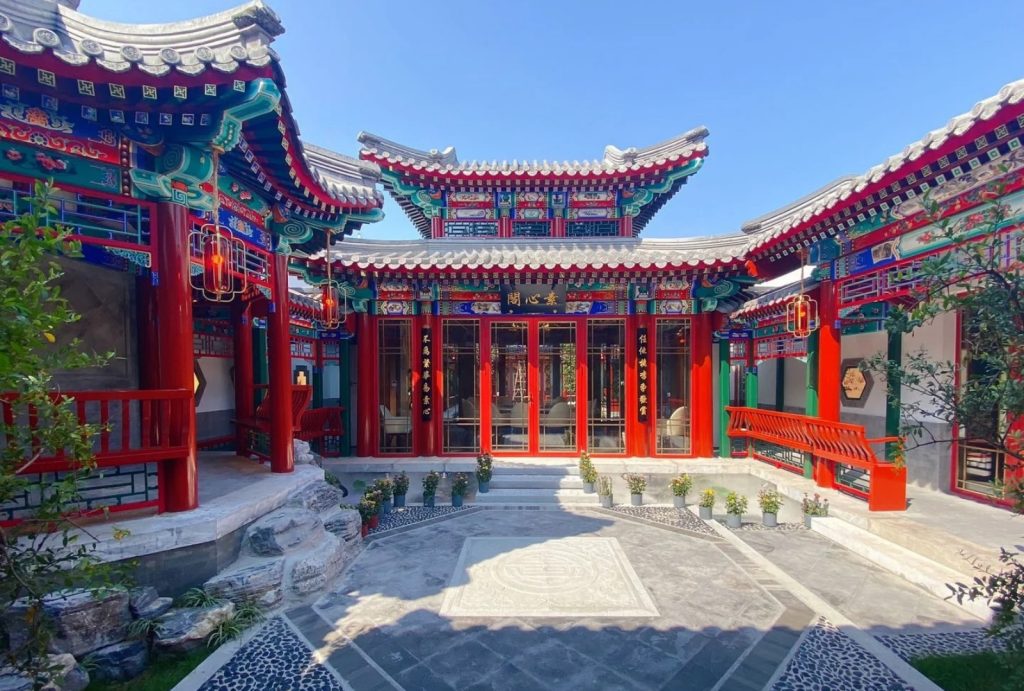
The true heart of hutong life beats within the siheyuan (traditional courtyard home). While many remain private, others have been beautifully transformed into boutique hotels, teahouses, and cultural spaces. Here, you can learn to make traditional jiaozi (dumplings) or even observing a fascinating cricket fight. Such personal interactions offer profound insights into Beijing’s family traditions and present a perspective on urban life that cannot be gleaned from a bus tour.
- Pay attention to the stone blocks beside the courtyard entrances. These were ancient status symbols; the carvings and shapes broadcasted the precise civilian or military rank of the residents living inside.
❗ Remember to be respectful of privacy and seek permission before taking photographs, as these are indeed people’s homes.
2️⃣ Take a Rickshaw Ride for an insightful Experience
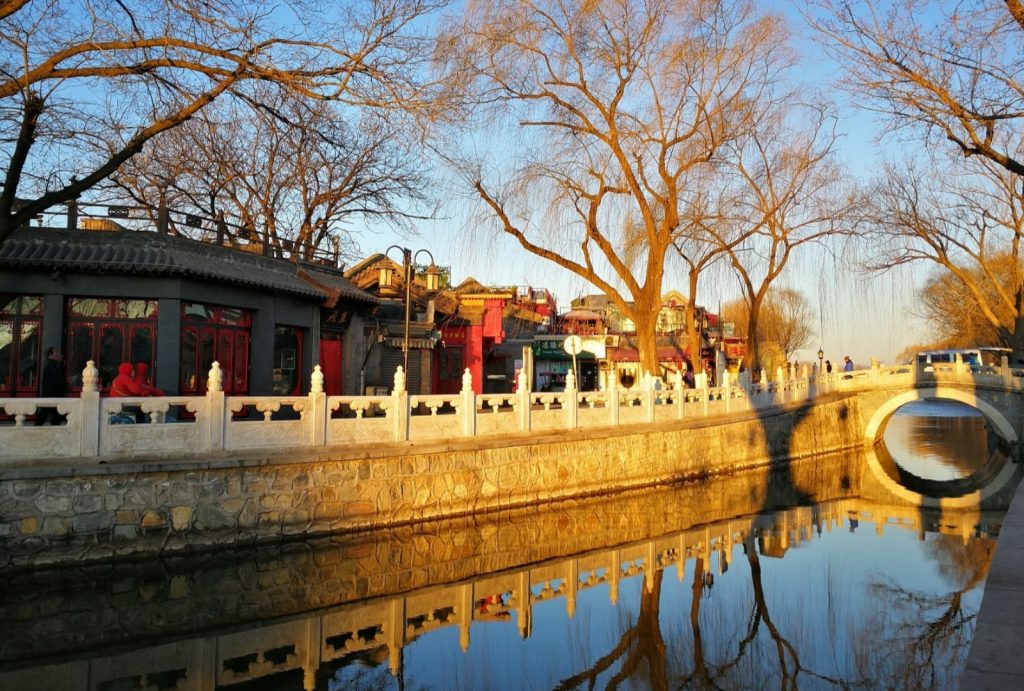
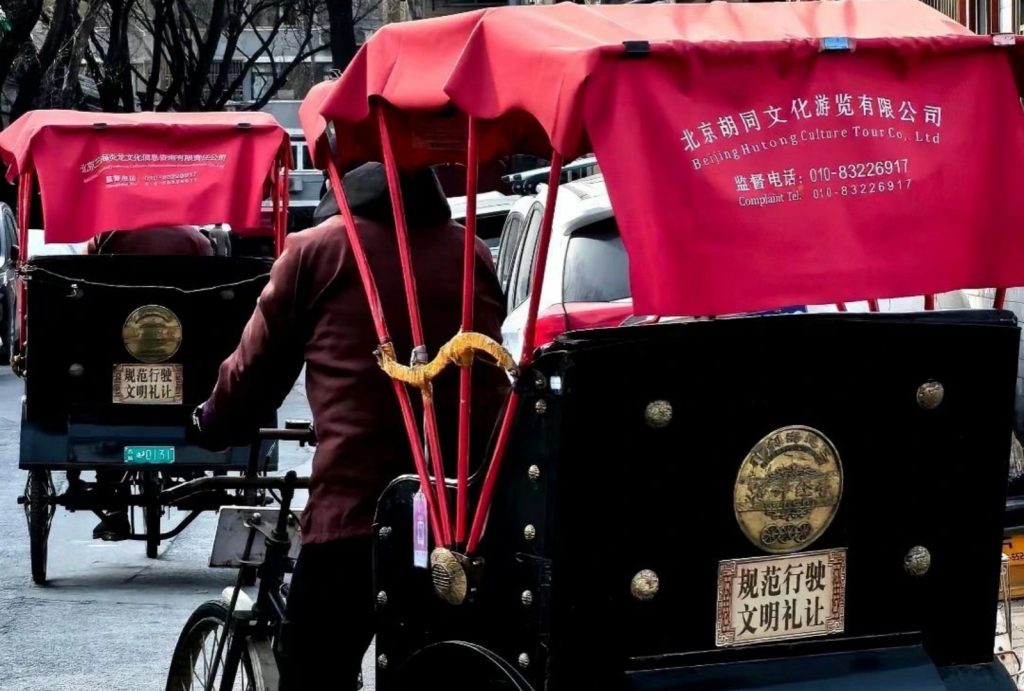
If you want to explore more hutongs without getting lost, consider taking a traditional rickshaw ride. The best place to do this is in the Shichahai and Houhai lake areas, where the willow trees drape over the water and the alleys are incredibly scenic.
As your driver navigates lanes too narrow for cars, you’ll witness a slower pace of life—locals chatting, children playing, and laundry catching the breeze. The Shichahai lake area, especially near the Silver Ingot Bridge, is a prime location to find these traditional pedicabs.
This provides a rare and valuable opportunity to step beyond the walls of a traditional siheyuan and gain insights into the private lives of hutong dwellers. Expect the tours to last between 30-60 minutes, with costs typically ranging from 100-200 RMB. It’s advisable to politely bargain and confirm the duration and inclusions before starting your ride.
3️⃣ Learn to Make Dumplings with a Local Family
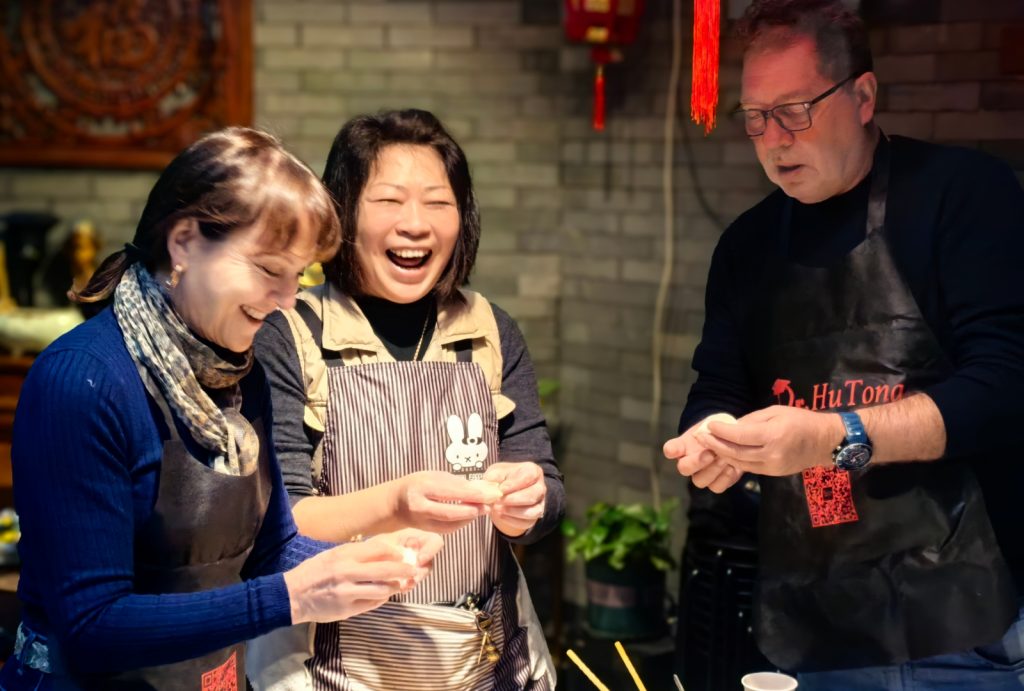
Food is the universal language, and there is no better way to bridge the cultural gap than by cooking together. Many local families living in the hutongs now open their courtyard kitchens to international visitors for intimate cooking classes.
You will typically learn how to knead the dough, mix the savory pork and chive fillings, and master the intricate pinching techniques required to fold the perfect traditional jiaozi (Chinese dumplings). Beyond the culinary skills, this is a rare, authentic opportunity to sit at a dining table with Beijing locals, ask questions about their daily lives, and share a handmade meal accompanied by local jasmine tea.

4️⃣ Wander Hutongs at Dawn for Morning Market and TaiChi
The atmosphere in a hutong changes drastically depending on the time of day. To see the most authentic version of local life, you must set your alarm and walk the alleys around 7:00 AM.
- The Local Morning Market: Follow the chatter to bustling pop-up markets where vendors stack vibrant vegetables and locals bargain for daily groceries.
- Steaming Breakfast Stalls: The morning air is filled with the scent of fresh food. Grab a hot, fluffy baozi (steamed bun) or crispy youtiao (fried dough) paired with warm soy milk from a street-side steamer.
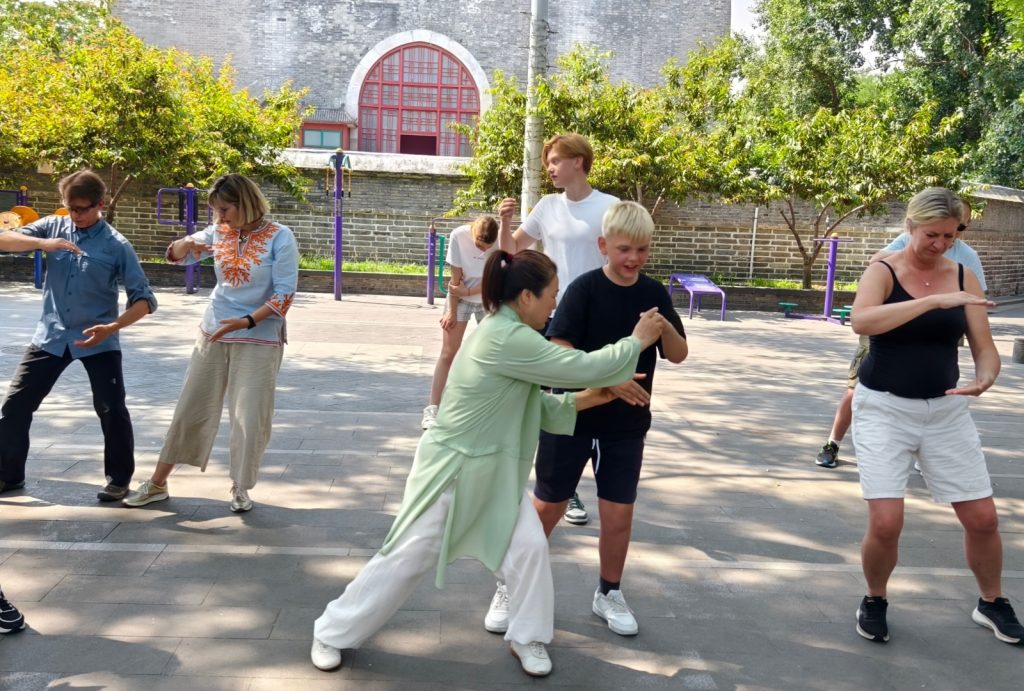
- Courtyard TaiChi: In the quiet residential squares, you will frequently spot elderly neighbors gathering to practice the slow, fluid movements of TaiChi against the ancient grey brick walls.
5️⃣ Experience Traditional Arts and Culture
More than just residential lanes, Beijing hutongs are living hubs for China’s traditional heritage. In hidden corners and quiet courtyards, you will find skilled artisans keeping centuries-old crafts alive today.
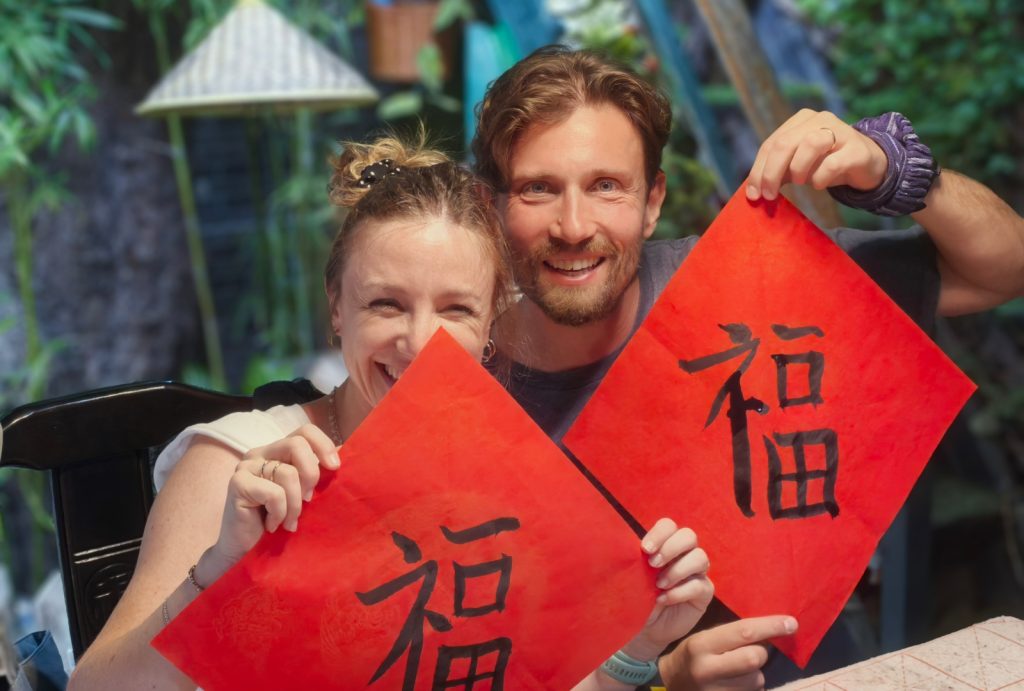
- The Elegance of Calligraphy: Step into a quiet, ink-scented studio to discover the art of Chinese calligraphy. Here, you can watch skilled artists or try writing characters yourself using traditional brushes and rice paper. You’ll quickly see that each stroke is about more than just writing—it is a lesson in patience, precision, and harmony. Even as a beginner, this simple experience offers a deeper appreciation for Chinese culture and philosophy.
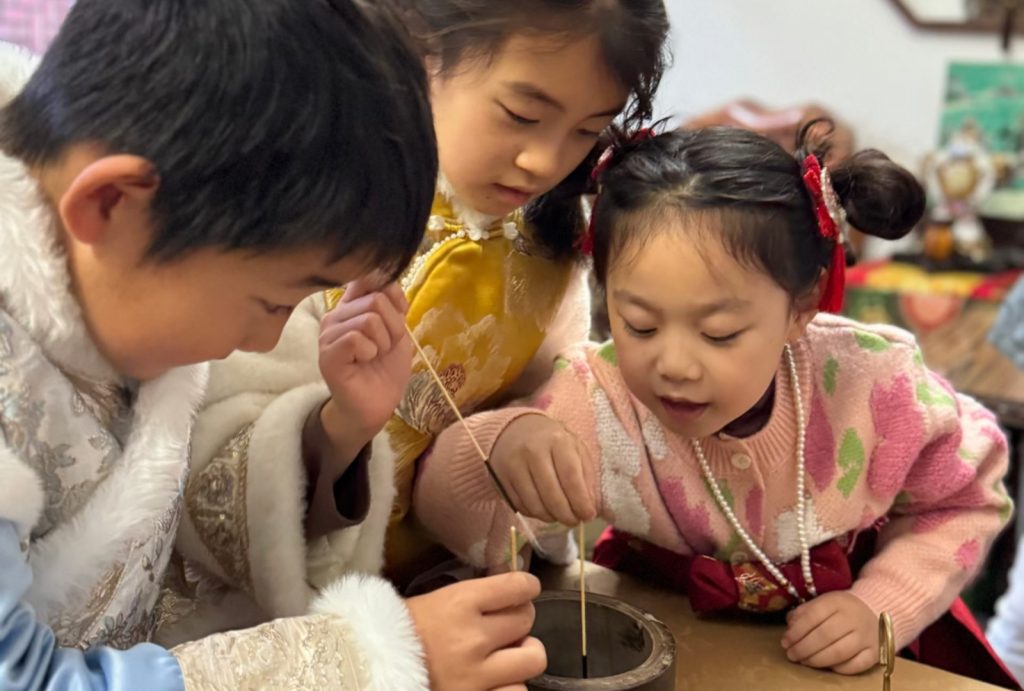
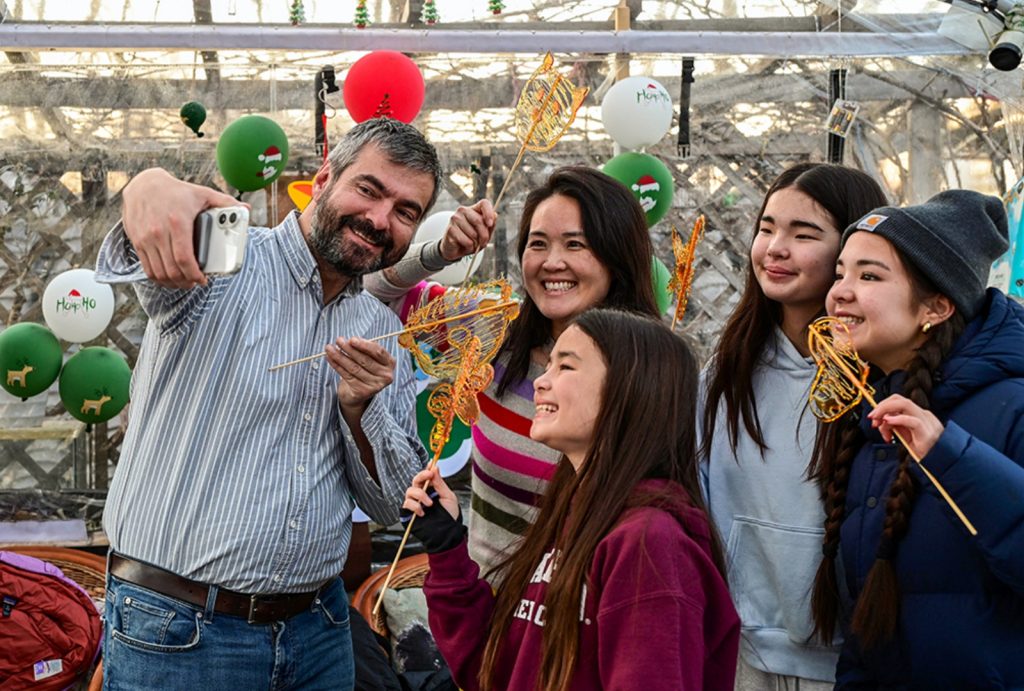
- The Magic of Blown Sugar Figurines: As you wander the slightly busier lanes, keep an eye out for traditional sugar artists. Using hot, molten malt sugar, these street-side artisans magically blow, stretch, and pinch the sticky syrup into intricate, translucent shapes—ranging from the twelve Chinese zodiac animals to elaborate mythical dragons. It is a mesmerizing, fast-paced edible performance art that is especially captivating if you are traveling with children.
6️⃣ Try Authentic Beijing Street Food
Food is at the heart of hutong life, and exploring these alleyways offers one of the best opportunities to taste authentic Beijing flavors.
- Jianbing (Savory Chinese Crepe): Often hailed as China’s ultimate street food. Watch mesmerizingly as a vendor spreads the batter evenly across a circular cast-iron griddle, cracks a fresh egg over it, brushes it with savory soybean paste and chili oil, and folds it around a crispy fried cracker. Served piping hot in a paper bag, it is a crunchy, savory masterpiece.

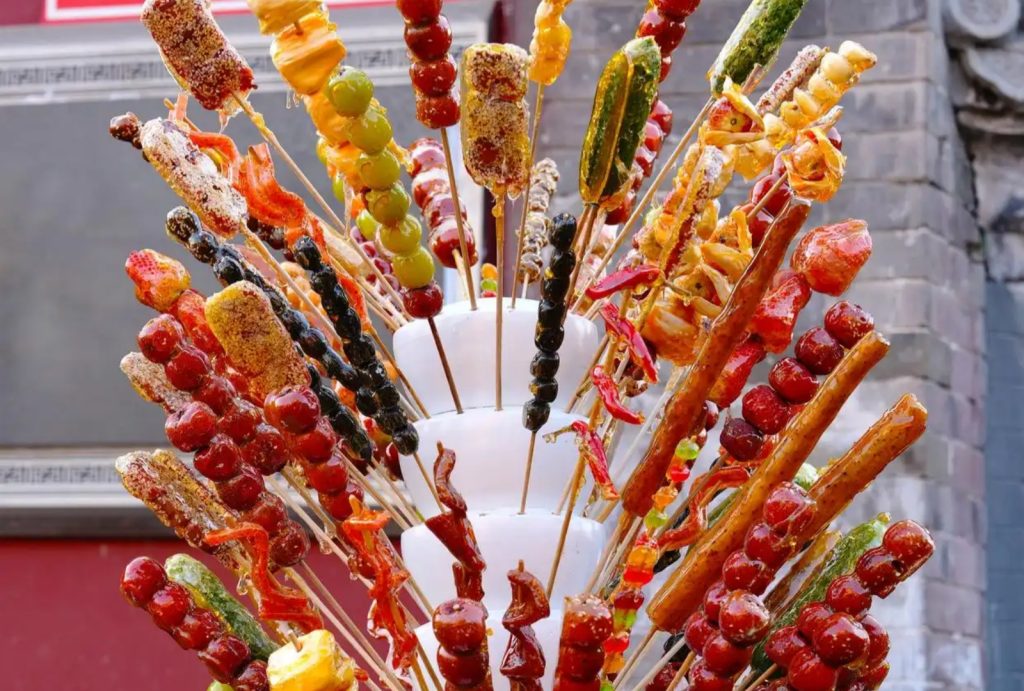
- Bingtanghulu (Candied Hawthorn Berries): A visual staple of Beijing’s historic alleys. These bright red, tart hawthorn berries are coated in a hardened, crackling sugar glaze and served on a long bamboo skewer. It is the perfect sweet-and-sour treat to munch on as you wander.
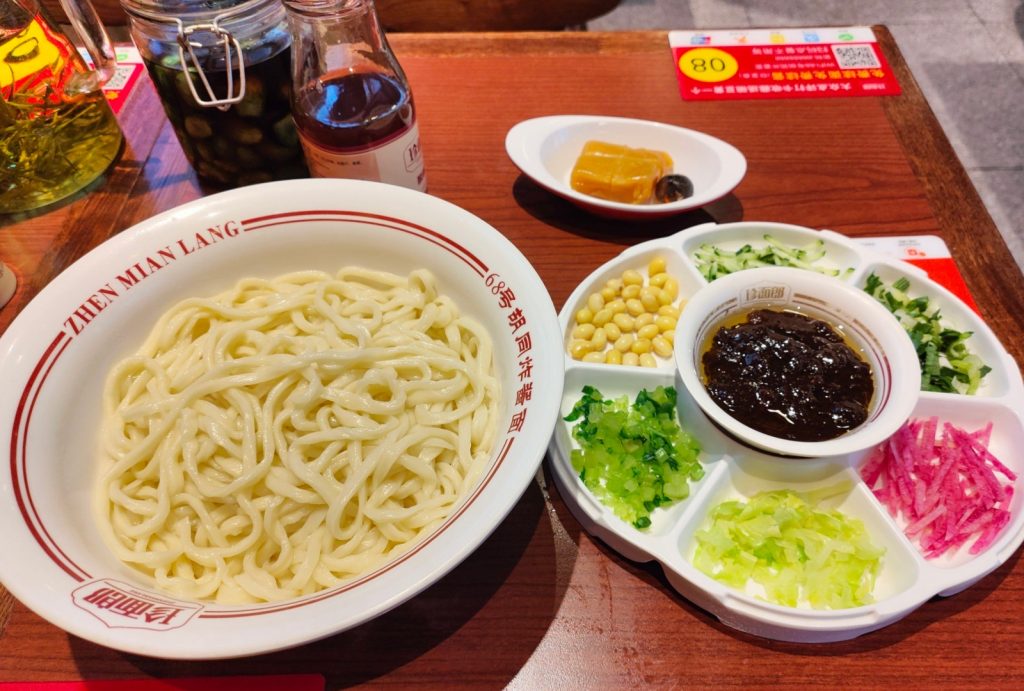
- Zha Jiang Mian (Fried Sauce Noodles): Duck into a tiny, family-run courtyard noodle shop to savor a bowl of Beijing’s signature comfort food. Thick, chewy wheat noodles are topped with a rich, dark fermented soybean paste mixed with ground pork, and finished with fresh, crunchy cucumber and radish matchsticks.
7️⃣ Cycle Through Beijing Hutongs Like a Local
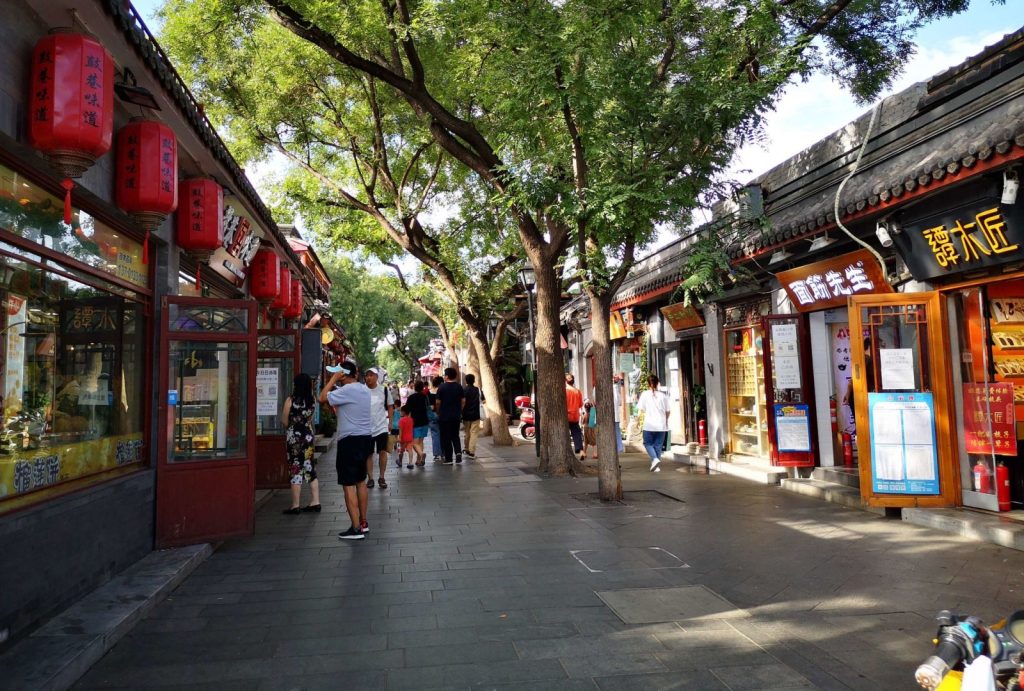
Cycling through Beijing hutongs is one of the best ways to experience their charm up close. Hutongs are generally quiet and flat, making them ideal for a relaxed ride. Utilize bike-sharing apps like Meituan or Hellobike to easily rent and drop off bicycles. For a smoother experience, start in central areas and explore outward. Early mornings and late afternoons are the best times to ride, with fewer crowds and more comfortable temperatures.
You can easily stop to explore hidden courtyards, local shops, or street food stalls along the way. Biking also allows you to go beyond popular spots like Nanluoguxiang and discover more authentic, less crowded neighborhoods.
Things to Do in Beijing Hutongs: Practical Tips for Travelers
To make the most of your hutong experience, a few simple tips can help you travel more smoothly while discovering these historic neighborhoods.
- Don’t rely on navigation apps: Even with a VPN, Western map apps can struggle to track your GPS accurately in the deepest alleys. Asking a local is the quickest way to find your path.
- Digital wallets are essential: Even the smallest street food vendor expects you to pay by scanning a QR code. Ensure your Alipay or WeChat Pay is linked to your international credit card before you begin.
- Wear comfortable shoes or choose the right transport: Whether you’re walking or biking, comfortable footwear is essential. Hutong streets can be uneven, and you’ll likely spend several hours exploring.
- Respect the Residents: Remember that the hutongs are living neighborhoods. Avoid entering private residences or taking intrusive photos of locals going about their daily business without permission.
Exploring Beijing hutongs is more than a walk through old streets; it is a chance to see China’s living history. While the narrow alleys may feel like a maze, the friendly locals and peaceful mornings make every step worth it. By tasting local food and interacting with residents, you will gain a truly authentic understanding of the city.
❓ People Also Ask
How much time should I spend exploring the Beijing hutongs?
You should plan to spend at least half a day (about 3 to 4 hours) in the hutongs. This gives you enough time to walk the alleys, take a rickshaw ride, and enjoy some street food without feeling rushed. If you book a cooking class or a calligraphy lesson, plan for a full day.
When is the best time to visit Hutong during the day?
The best time is from early in the morning to the evening time, since Hutong is the true residential area of Beijing locals. This is where you can see the local morning markets and watch residents practicing TaiChi, and get a close touch of authentic Chinese local life. The evening is also a great time to visit, as the alleys light up with beautiful red lanterns.
Are there public toilets in the hutongs?
Yes, there are many public restrooms. Because many old courtyard homes do not have modern plumbing, locals use these public facilities. They are usually very clean, but they are mostly traditional “squat” style toilets. Always remember to bring your own toilet paper.
Are the hutongs safe to walk in at night?
Yes. Beijing is a very safe city for travelers. The alleys are well-lit at night, and you can comfortably walk around after dark to see the beautiful red lanterns glowing against the grey bricks.