Malaysia Group China Silk Road Tour: Xian to Kashgar
13 days 12 nights
Customized Silk Road No Shopping Trip
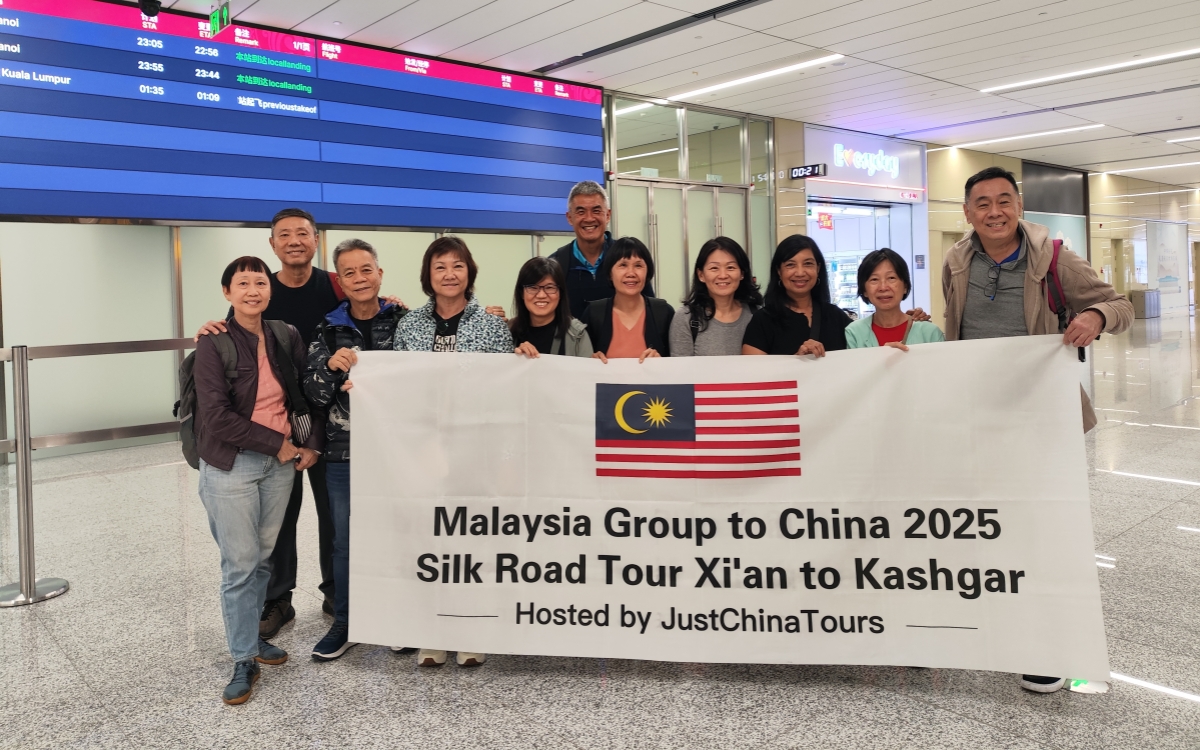
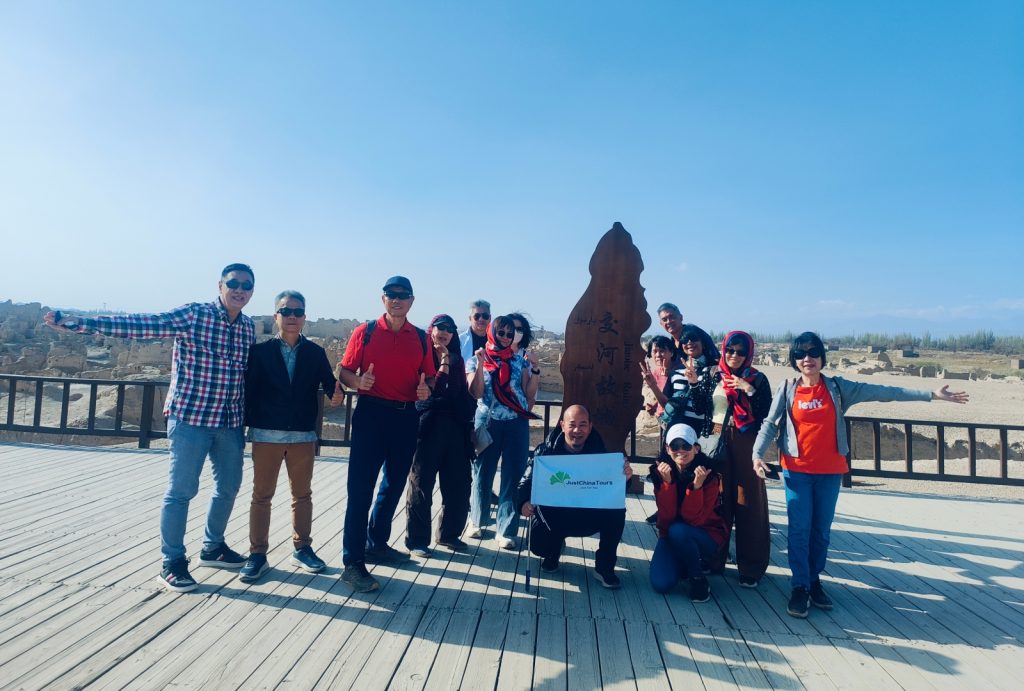
We had the pleasure of hosting a group of 11 guests from Malaysia on a private tour, running from late March to early April 2025. The journey began in Xi’an and followed the classic Silk Road tour westward to Kashgar. The trip included iconic cultural landmarks such as the Terracotta Army and Mogao Grottoes, along with remote natural wonders like Zhangye Danxia, the Gobi Desert, and the Pamir Plateau.
Arrival in Xi’an from Kuala Lumpur
The journey began with a late-night arrival in Xi’an, as our guests flew to Xian from Malaysia with Air Asia. Despite the midnight landing, guests were welcomed at the airport by our local guide holding welcome sign. group of 11 guests were escorted directly to their hotel after a long international flight, setting a reassuring tone for the entire journey.
Starting Our Journey in Xi’an: Exploring China’s Ancient Capital
The next morning, we started our trip by driving to visit the Museum of Terracotta Army.
Seeing thousands of life-sized warriors standing silently in formation is something most travelers come to China for. For this group, it became their first shared “wow” moment—one that set the tone for the rest of the trip.
Over the following days, they explored:
- The ancient city wall, one of China’s best-preserved fortifications
- The vibrant Muslim Quarter, filled with local flavors and energy
- Historic pagodas and museums that reveal the glorious past of Silk Road that started from Xi’an.
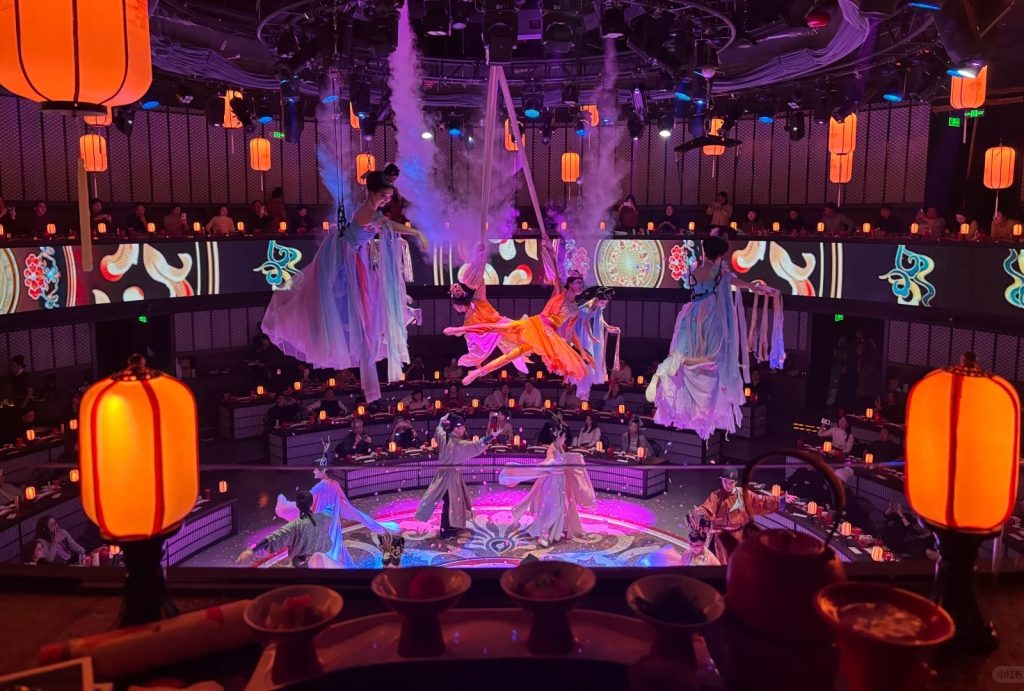
Evenings were carefully curated, including a traditional dumpling banquet and a Tang Dynasty music and dance performance—offering cultural immersion without feeling rushed.
Embark on a Journey Along the Silk Road
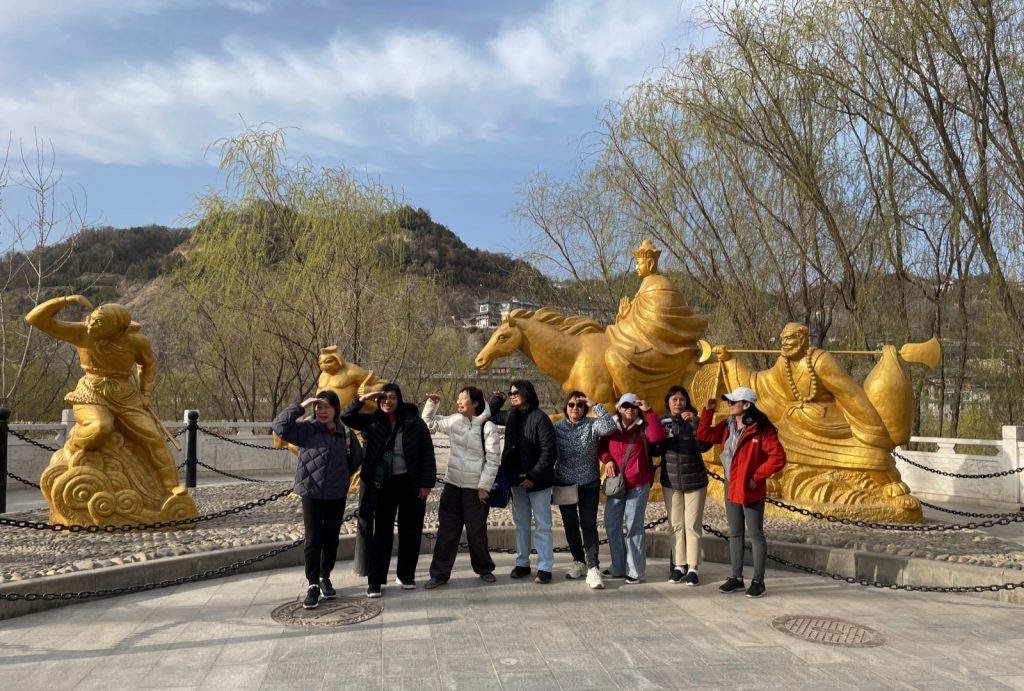
After two nights stay in Xi’an, the group traveled to Lanzhou in Gansu province by bullet train, following the ancient trading route of Silk Road.
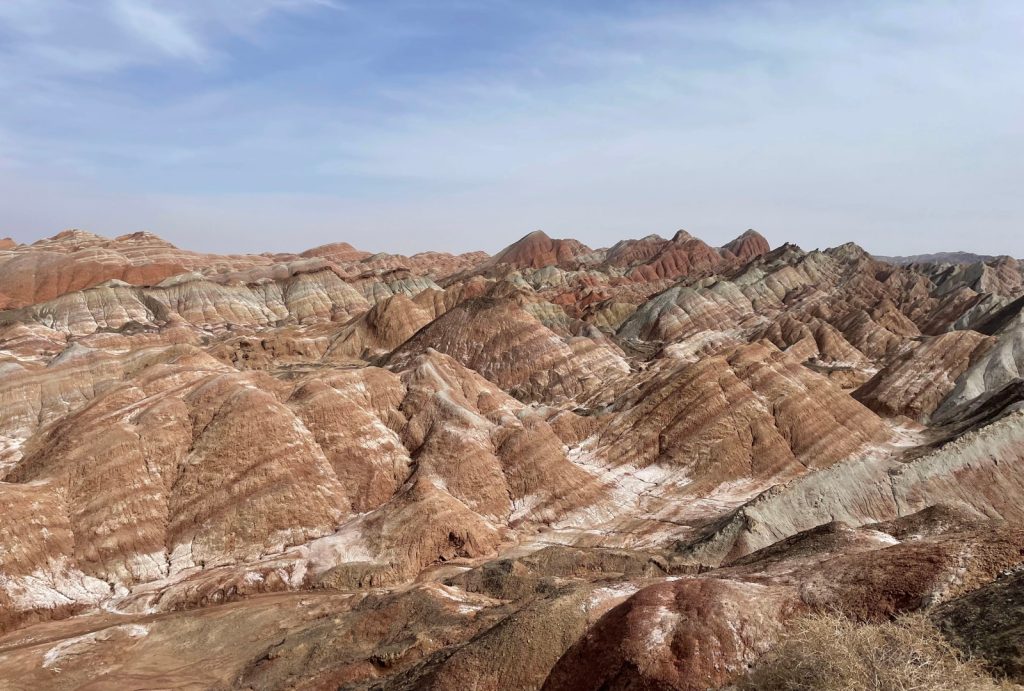
We visited Yellow river in Lanzhou, and kept traveling to Zhangye to see the famous Rainbow Mountains, it is from here, this Silk Road trip unfolded to the group vast and changing landscapes in far Northwest China:
- The Yellow River trip of Lanzhou
- The surreal colors of Zhangye Danxia National Geological Park
- The historic frontier fortress of Jiayuguan
- The desert oasis of Dunhuang
Despite the distances involved, transitions were smooth. Train tickets, station transfers, and luggage coordination were all handled in advance.
For travelers, this meant one thing: They could focus on the experience, not the logistics.
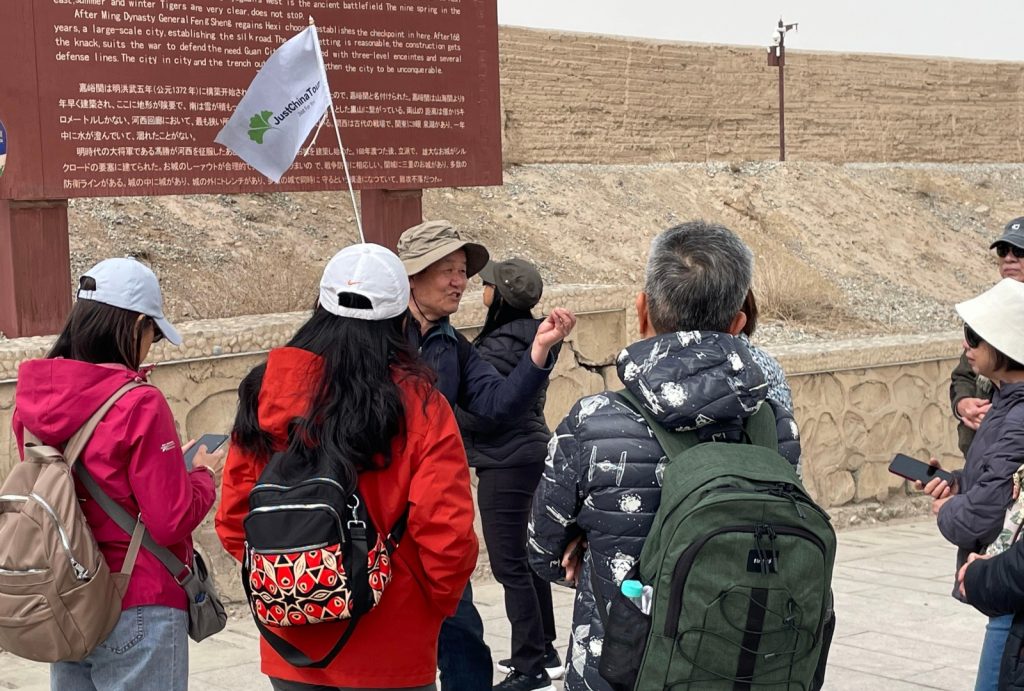
Classic Silk Road Journey: A Trip to the Dunhuang
One of the most memorable days came in Dunhuang, where the group visited the UNESCO-listed Mogao Grottoes.
Inside the caves, ancient murals and statues told stories of faith, trade, and cultural exchange along the Silk Road. It was a powerful reminder that this journey was not just about landscapes—but about history that still speaks.
Later, at the Crescent Spring and Echoing Sand Dunes, guests had the option to ride camels or simply climb the dunes for panoramic views.
There were no forced activities. No hidden shopping stops.
Just choices—something increasingly rare in organized tours.
A Unique Journey Through Xinjiang
We traveled from DunHuang by bullet train, through Gobi desert into Xinjiang, our first city to visit is the famous oasis town named Turpan. this was one of the most famous townships on Silk Road. the hotel nicely arranged local Uyghur dancing to welcome our group from Malaysia.
- In Turpan, the group visited ancient ruins and traditional Uyghur villages, gaining insight into a way of life shaped by centuries of Silk Road exchange.
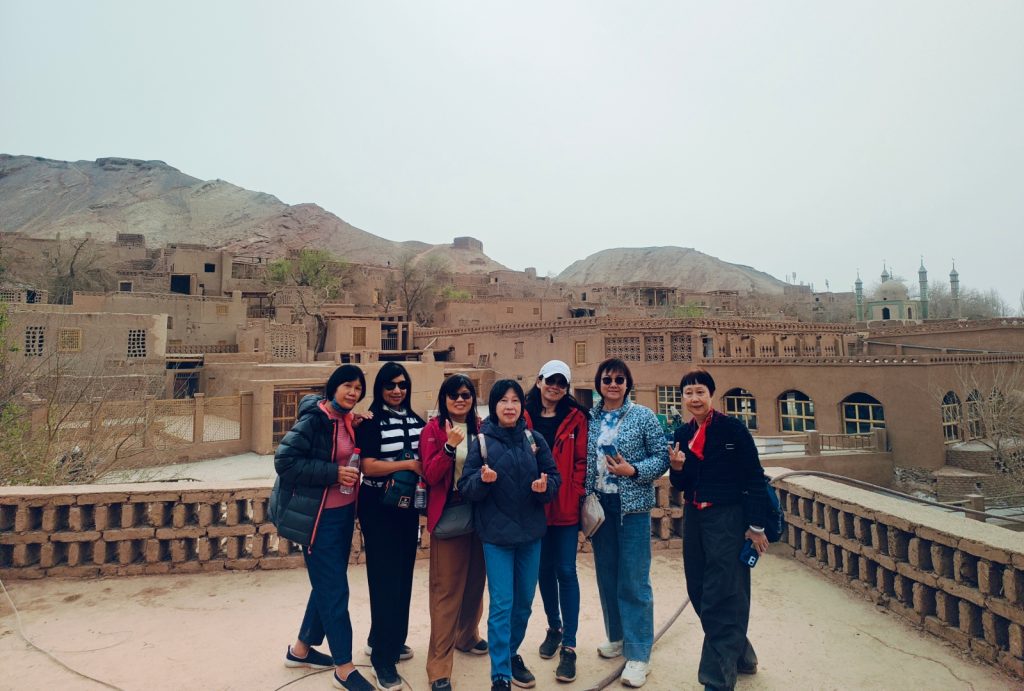
- In Urumqi, they explored XinJiang museum and vibrant bazaars, while a visit to Heavenly Lake offered a moment of calm amid dramatic alpine scenery.
- Finally, in Kashgar, this Silk Road journey reached its cultural peak. Here, the group walked through the Old Town, visited the grand Id Kah Mosque, and experienced the famous Sunday Bazaar—where livestock trading continues much as it has for generations.
It was raw, authentic, and far removed from typical tourist routes.
Clear and Transparency on Our Whole Tour
Traveling on Silk Road through Northwest China comes with unique challenges. Infrastructure in some areas is still developing, and long drives are unavoidable.
What builds trust here is transparency, and our in-depth knowledge on Silk Road, Leo from JustChinaTours who organized this trip had traveled on Silk Road fro more than eight times over the past fifteen years.
When the trip was in early stage of planning, we listened to our guest’s voices, learnt their interests and requests, then we customized the trip accordingly on their preference. guests were clearly informed about what to expect from this Silk Road tour:
- Long overland travel times
- Limited facilities in remote desert areas
- Cultural and regional differences
- Practical travel tips (mobile payments, VPN, packing essentials)
Accommodation throughout the journey was arranged at a consistent 4-star standard, ensuring comfort even in less-developed destinations.
This honest and clear communication helped set realistic expectations—and ultimately led to satisfaction.
Professional Service and Local Expertise
Throughout the journey, guests were supported by:
- Private English-speaking guides
- Dedicated drivers
- 24-hour emergency contact support
The service model emphasized personalization and flexibility, allowing the group to travel at their own pace without being rushed or constrained by large group schedules.
Moments like airport pickup, smooth train transfers, and coordinated domestic flights demonstrated strong operational reliability—an essential factor for long-distance, multi-city tours.
No Tourist Shopping on Our Silk Road Tour
One of the most reliable aspects is the no tourist shopping policy. Our Silk Road tour was designed with an emphasis on authentic travel experiences, there is no tourist shopping stops at all.
Guests had the opportunity to visit atmospheric local markets and bazaars, where they could shop for souvenirs on their own. There were no forced detours to tourist traps. The focus remained squarely on exploring the cultural, historical, and natural beauty of the Silk Road.
This Silk Road trip to Xinjiang is a strong example that JustChinaTours delivers not just an itinerary—but a reliable, well-supported travel experience across some of China’s most remote and fascinating regions.
Frequently Asked Questions
How many hours do we spend on driving during the day?
The tour includes several long drives, particularly through desert regions like Gansu and Xinjiang. For example, the drive from Jiayuguan to Dunhuang takes approximately 4-5 hours, and from Turpan to Urumqi is around 3.5 hours. To learn more about travel times and how we ensure comfort during long distances, please contact us. We will tailor a solution to meet your needs.
What kind of meals are provided during the tour?
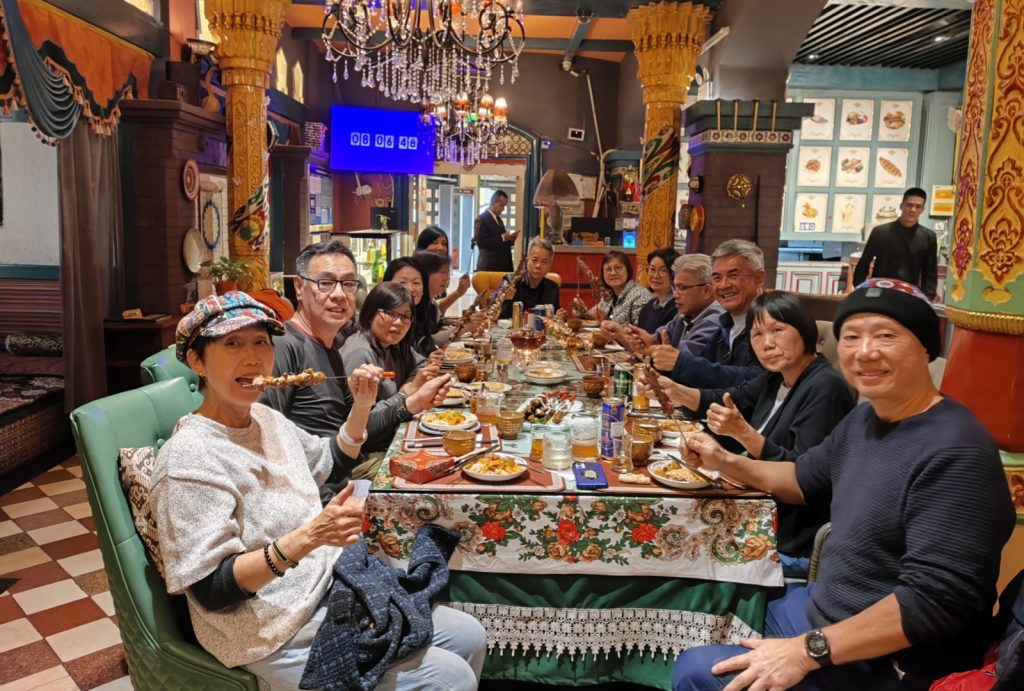
Your itinerary includes all meals, offering a deep dive into authentic Chinese cuisine. You will taste local specialties like Xi’an’s Yangrou Paomo before heading west to discover must-try Xinjiang dishes. Expect to feast on authentic Uyghur Polo (rice pilaf), flaky baked samsa, and perfectly seasoned kebabs in Kashgar.
What is the best time to travel on Silk Road?
The most comfortable times to take this tour are during the spring (April to May) and autumn (September to October). During these months, the weather is pleasant for walking in Xi’an, and you will avoid the extreme summer heat of the Xinjiang desert. Autumn is particularly beautiful, as the harvest season brings an abundance of fresh local fruits like world-famous Xinjiang melons and grapes.
Is there a direct flight from Kashgar back to Malaysia?
No, direct flights do not currently operate between Kashgar and Malaysia. To return home, you will need to book a connecting flight. Typically, travelers fly out of Kashgar (KHG) and transit through major Chinese cities like Xi’an, Beijing, or Shanghai. To avoid long waits at the airport, be sure to book your return flights early and look for the most efficient layover options.
Is halal food easily available on Silk Road tour?
Absolutely. The Silk Road tour typically starts from Xi’an where we have large number of Muslim population. You will explore the famous Muslim Quarter, which is packed with authentic halal eateries. As you travel westward through Gansu Province, particularly in cities like Lanzhou, famous for its Muslim-style beef noodles. Once you reach Xinjiang, the local Uyghur cuisine is entirely halal by default, allowing you to confidently feast on regional specialties like roasted lamb skewers, hearty hand-pulled noodles (Lagman).
Is Silk Road tour friendly for seniors citizens?
Yes, the Silk Road tour can be suitable for senior citizens, but it depends on individual health and mobility. The tour involves some moderate walking and long drives, so we recommend that seniors be in good health and physically capable of handling these activities. We also ensure comfort with well-paced schedules, regular breaks during drives, and accommodation in high-quality hotels.
What are the must-visit places on Silk Road Tour?
From the desert basin of Turpan (home to the Jiaohe Ruins and Flaming Mountains) to the bustling capital of Urumqi, where you can visit the Tarim mummies and alpine Heavenly Lake. As you travel west, explore the spectacular red sandstone canyons and historic Kizil Caves of Kuqa before reaching the ultimate frontier city of Kashgar to wander its vibrant, maze-like Old Town. Finally, drive the famous Karakoram Highway to the Pamir Plateau to witness Karakul Lake, a pristine, high-altitude wonder framed by massive snow-capped peaks.
How far is it from Kashgar to Karakul Lake?
Karakul Lake is located approximately 190 kilometers (about 120 miles) southwest of Kashgar City. The journey takes you along the famous Karakoram Highway (KKH), widely considered one of the most spectacular road trips in the world. The drive takes about 3.5 to 4 hours each way, making it a very popular day-trip destination from Kashgar.