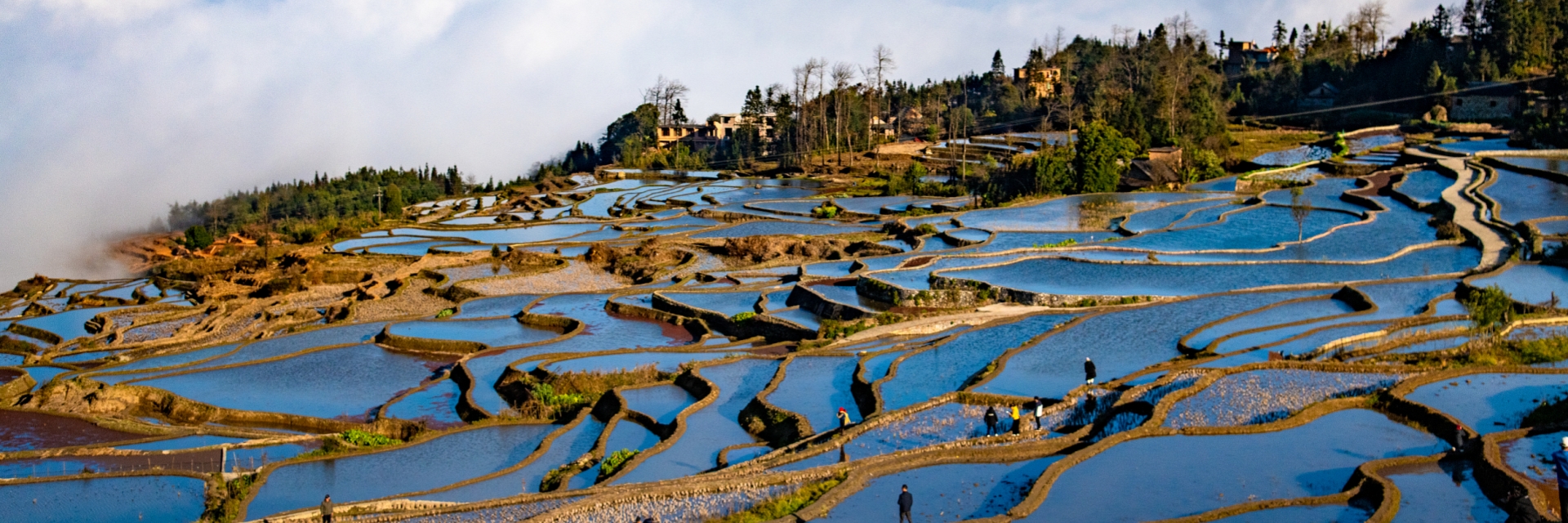
Travel to Yuanyang, Yunnan: Ultimate Travel Guide
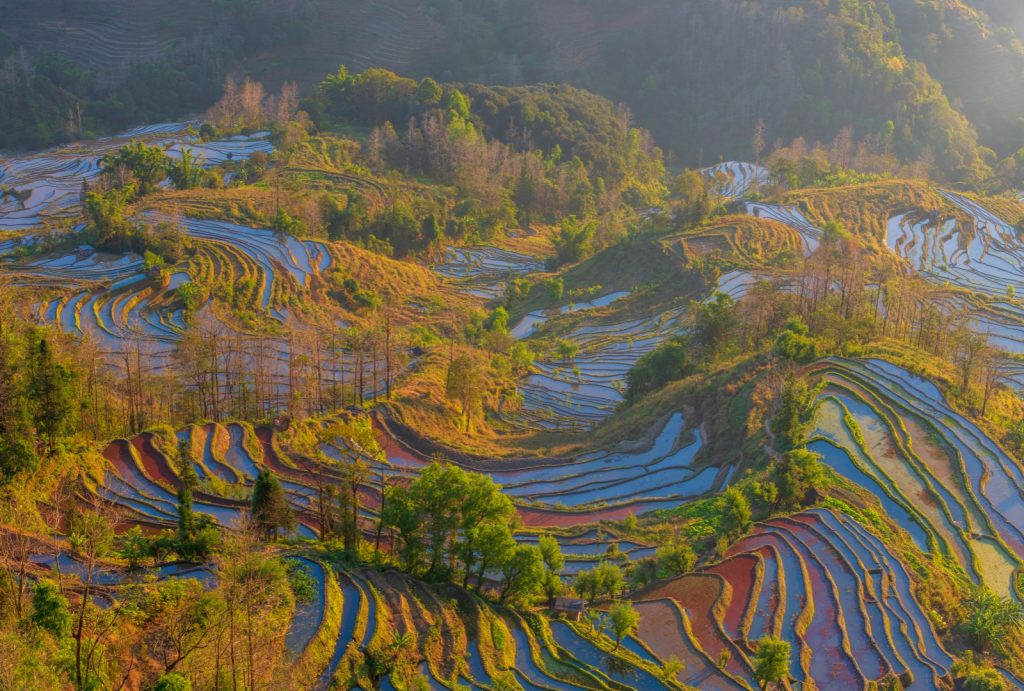
Nestled in the mountainous region of Yunnan Province, China, Yuanyang is a destination that seems to leap off postcards. Famous for its UNESCO-listed Hani rice terraces, the region offers breathtaking landscapes that change with the seasons. From the flooded terraces reflecting the sky in spring to the golden harvest in autumn, Yuanyang offers unforgettable landscapes and experiences in every season.
This guide will explore everything you need to know—from the best time to visit and top attractions to cultural experiences, travel logistics, and practical tips—so you can make an informed decision and plan the perfect trip.
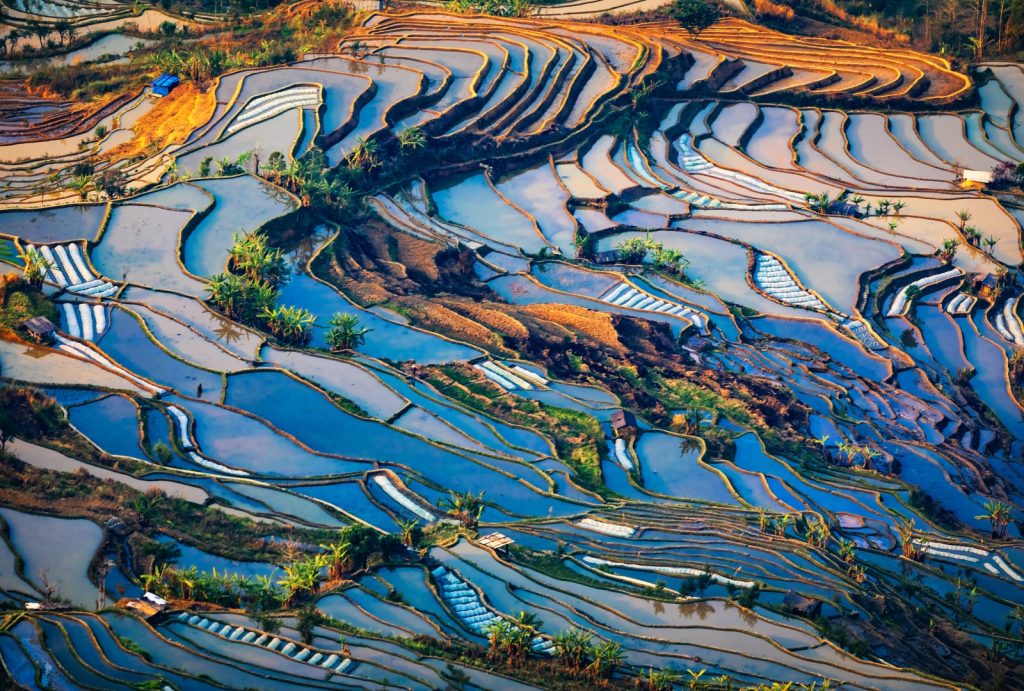
What Makes Yuanyang Special?
Yuanyang is best known for its rice terraces, which have been carved into the mountains for over 1,300 years by the Hani people, an ethnic minority renowned for their ingenuity in agriculture. These terraces are more than just beautiful—they are living evidence of sustainable farming practices passed down through generations.
Top Rice Terrace Viewpoints
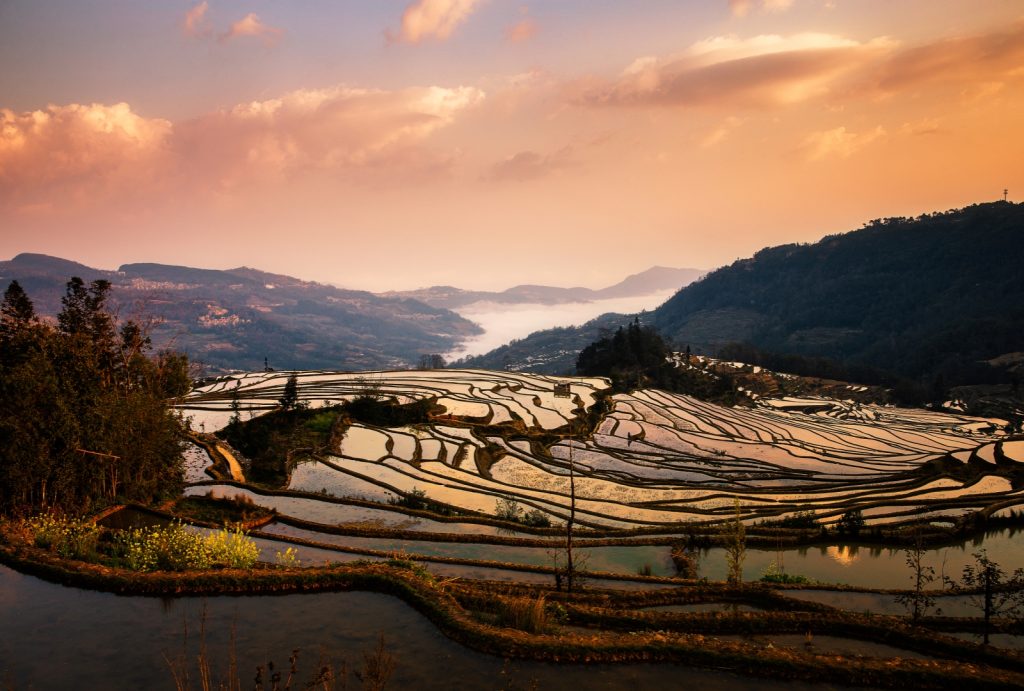
- Duoyishu Terrace: The most famous viewpoint in Yuanyang, offering spectacular sunrise and sunset vistas. It is perfect for photography enthusiasts seeking reflections in the water-filled terraces.
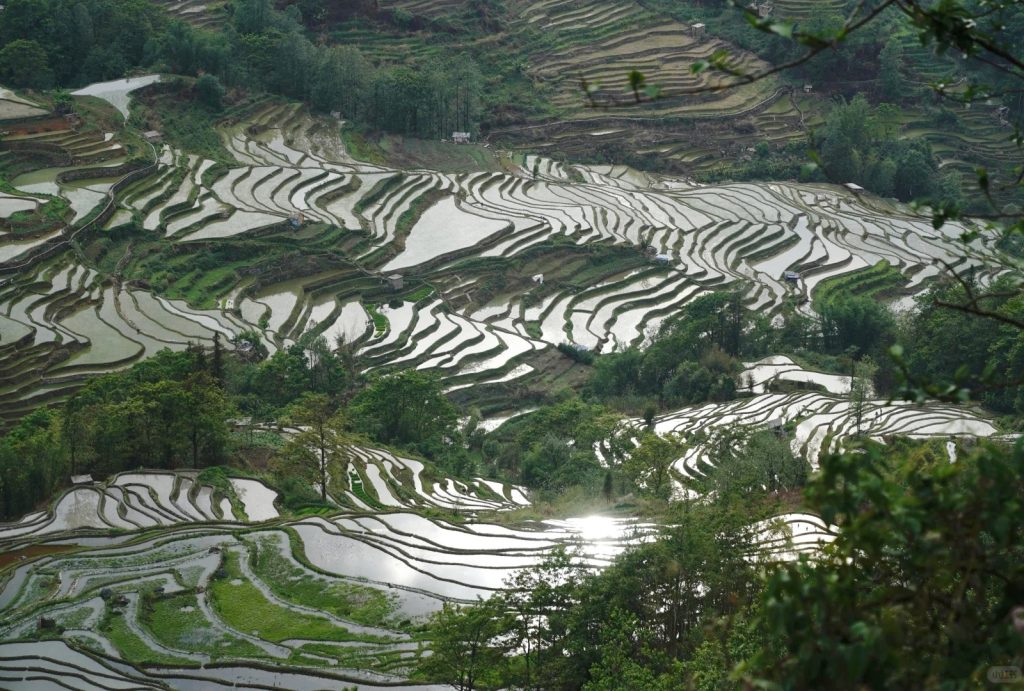
- Bada Terrace: Known for its panoramic landscapes and smaller crowds, Bada is ideal for capturing the sweeping curves of the terraces.
- Laohuzui Terrace: Often referred to as the “Tiger Mouth” terrace, this site is renowned for its dramatic shapes and the way sunlight dances on the water at dawn.
Hani Villages and Cultural Experiences
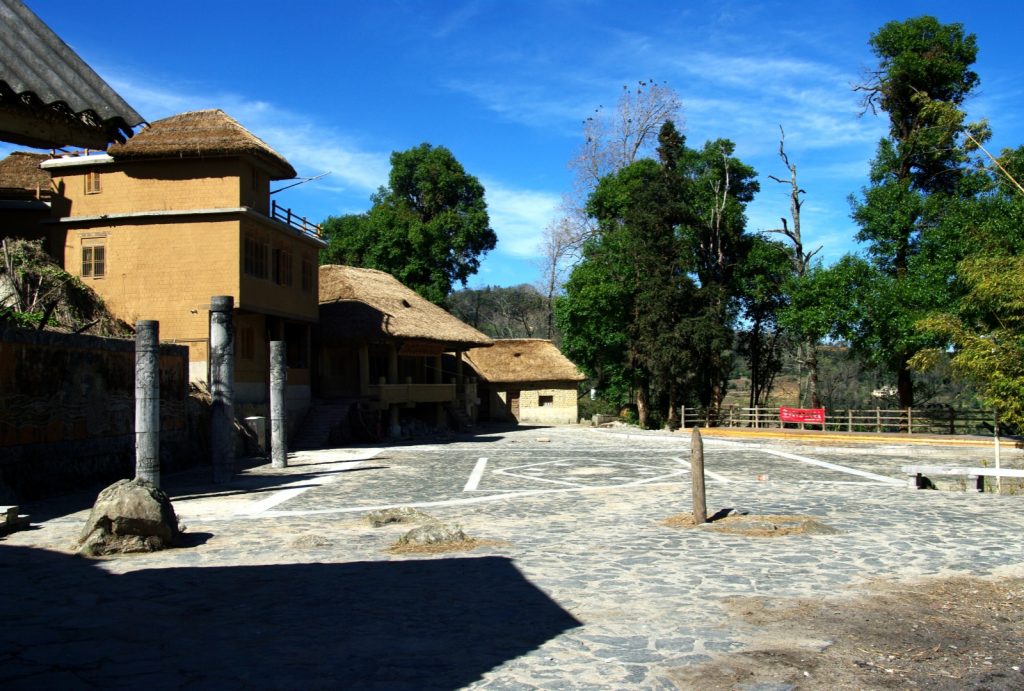
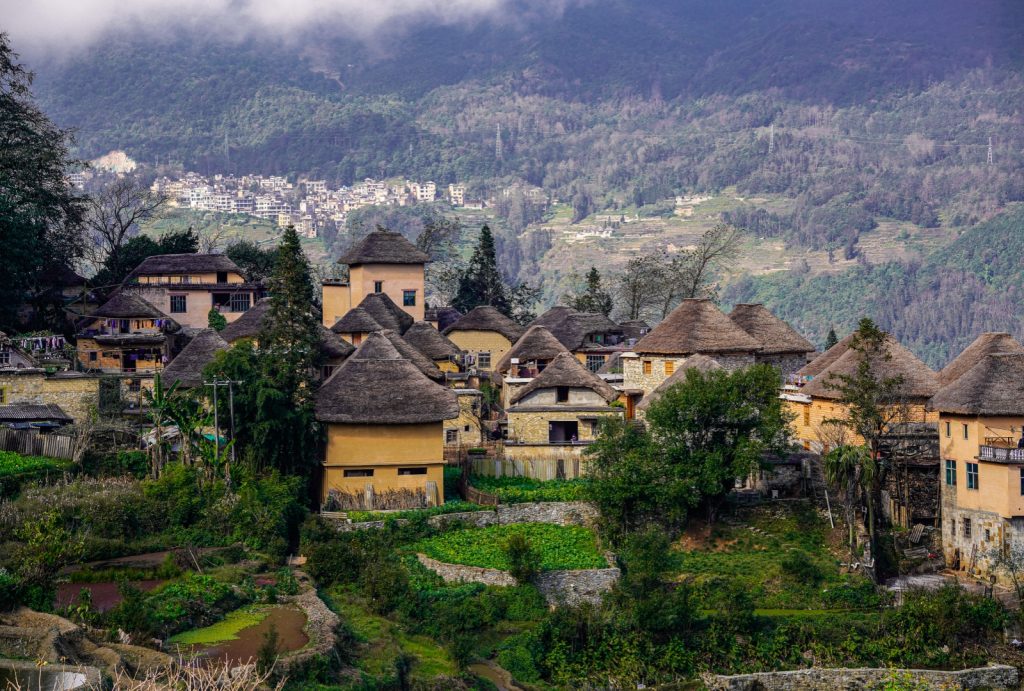
- Traditional Hani Villages: Explore historic villages such as Duoyishu, Shengcun, and Qingkou Hani Ethnic Village, where wooden houses cling to the terraces and centuries-old architecture blends with the landscape.
- Local Markets: Visit the vibrant Xinjie Market or smaller village markets, where locals sell handcrafted textiles, traditional jewelry, and seasonal produce. These markets are perfect for experiencing daily Hani life.
- Festivals and Traditions: Plan your trip to coincide with cultural events such as the Hani New Year (November–December) or the Rice-Planting Festival in April. During these festivals, you can witness traditional dances, songs, and rituals, gaining an immersive view of Hani traditions.
☀️When Is the Best Time to Visit Yuanyang?
Timing your visit is crucial to make the most of Yuanyang’s beauty. Each season offers unique visuals and experiences:
- Water Season (April – May): Terraces are flooded for planting, reflecting the sky and clouds. This is ideal for photographers seeking mirror-like reflections.
- Harvest Season (September – October): Terraces turn golden as rice ripens, and harvest festivals celebrate the season. This is the best time for cultural immersion and vibrant photography.
- Dry Season (November – March): Terraces are less visually striking but trekking is easier and crowds are minimal, offering a peaceful experience.
Tip: For the ultimate photography experience, plan your visit around sunrise and sunset at Duoyishu or Laohuzui. Early mornings often feature a mystical fog that adds drama to your shots.
📷What Activities Can You Do in Yuanyang?
Yuanyang offers a variety of experiences for travelers, from stunning photography and scenic walks to cultural immersion. Whether you want to explore the terraces, meet locals, or enjoy peaceful views, there’s something for every type of visitor.
Photography Tours
Yuanyang is a paradise for photographers. Capture the terraces at sunrise or sunset when light and shadows create stunning contrasts. Laohuzui is perfect for early-morning fog shots, while Duoyishu offers expansive panoramic views.
Trekking and Village Visits
Explore the terraces on foot to truly appreciate their scale and design. Short treks between villages allow visitors to interact with locals, witness daily farming routines, and experience life as the Hani have for centuries.
Cultural Experiences
Join Hani festivals to witness vibrant dances, songs, and traditional rituals, and explore mushroom houses in villages like Azheke, where homes are built with thatched roofs and raised wooden floors.
Relaxation and Scenic Viewing
For travelers who prefer a slower pace, simply watching the changing colors of the terraces throughout the day is a serene experience. Sunrise at Duoyishu and sunset at Bada are particularly breathtaking.
🚌How to Get There and Move Around
Yuanyang is relatively remote, so planning your journey in advance is essential.
By Bus
Long-distance buses connect Kunming and Yuanyang, usually departing in the morning. They take around 5–6 hours along winding mountain roads.
Private Transfer
For comfort, convenience, and flexibility, hiring a private transfer or local driver is highly recommended. This option allows you to travel at your own pace, stop at scenic viewpoints along the way.
Local Transport
Once in Yuanyang, taxis, private cars, or guided tours are the most efficient ways to explore terraces and villages. Local guides and drivers often know the best routes and less-crowded viewpoints, making your visit smoother.
Pro Tip: Roads in Yuanyang are mountainous and sometimes unpaved or narrow. Travel slowly and allow extra time, especially during rainy seasons.
Yuanyang Accommodation and Local Food
Yuanyang offers simple but comfortable accommodations and authentic local cuisine, giving travelers a chance to rest and experience Hani culture while exploring the terraces.
🛏️Accommodation
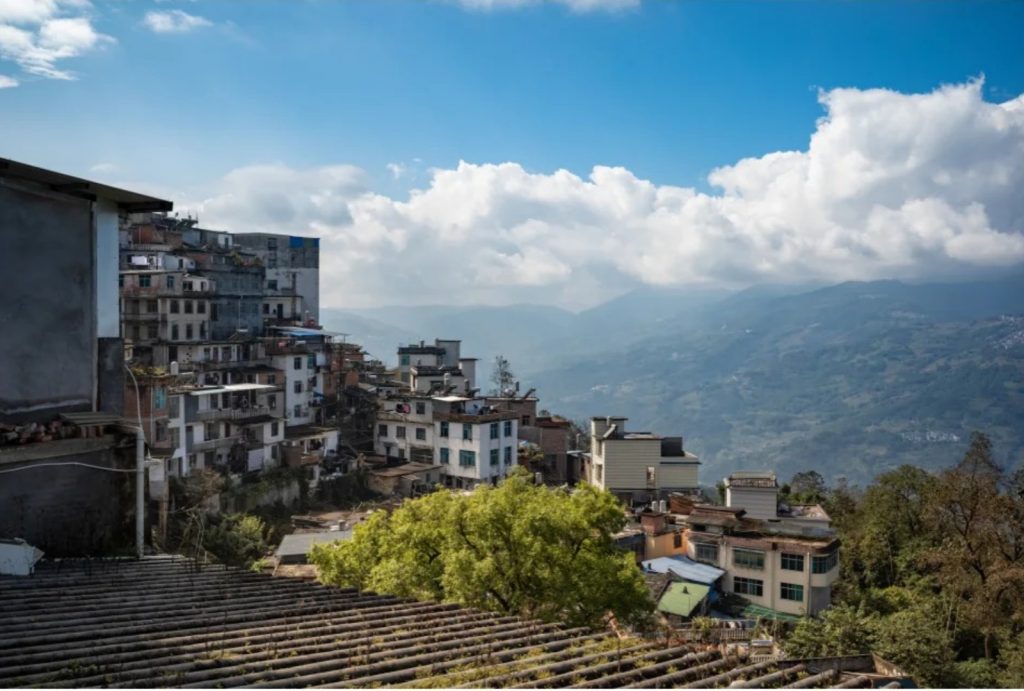
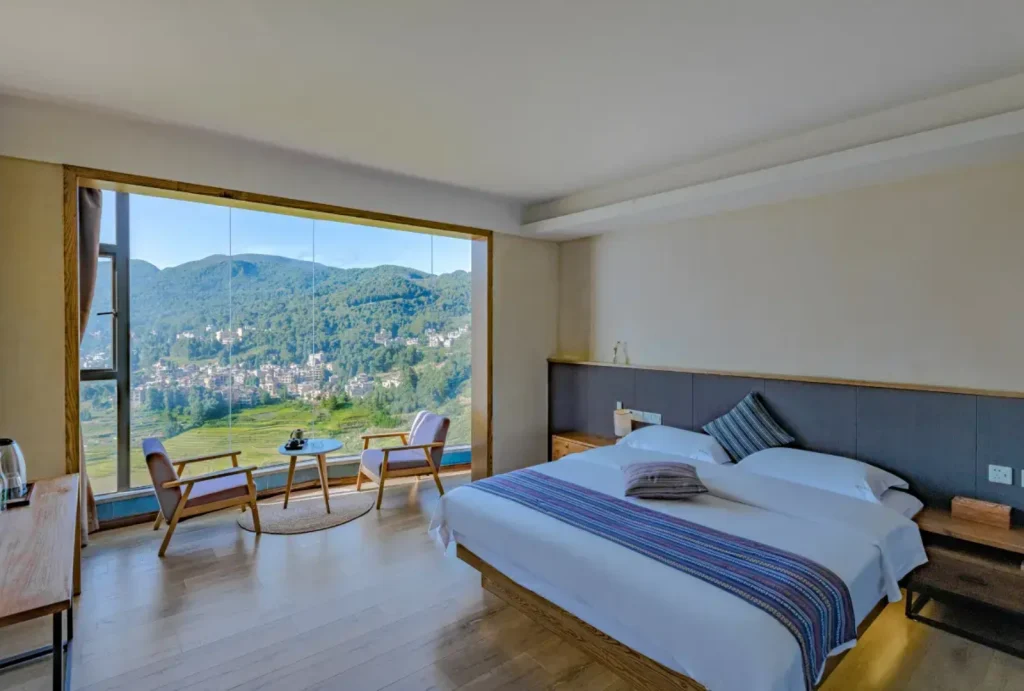
Yuanyang is a remote area, so accommodation is generally basic. Most travelers stay in Xinjie Town, which offers clean rooms within a short drive to Bada and Duoyishu Rice Terraces.
For a more immersive experience, hostels near Duoyishu and Shengcun feature Hani-style decor and terrace-view rooms, letting you enjoy the terraces right from your window.
🍲Food and Cuisine
Yuanyang is known for authentic Hani cuisine and local specialties, offering a unique taste of the region:
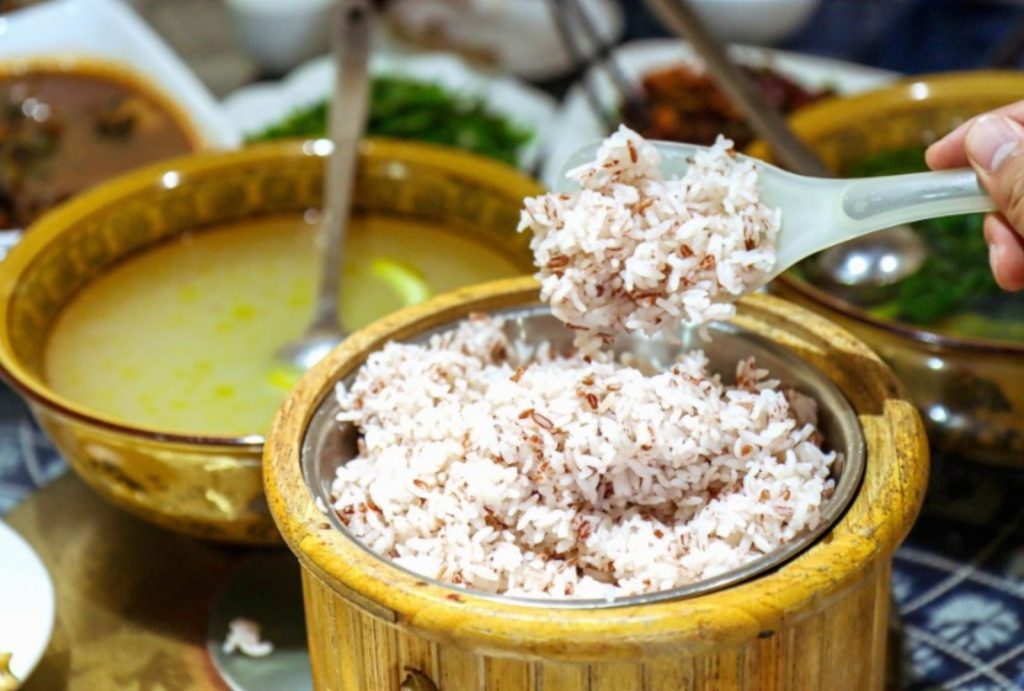
- Hani Red Rice: A staple of Hani culture, this naturally red-hued rice has a firmer texture and more complex flavor than standard white rice. It’s often served steamed or with savory dishes.
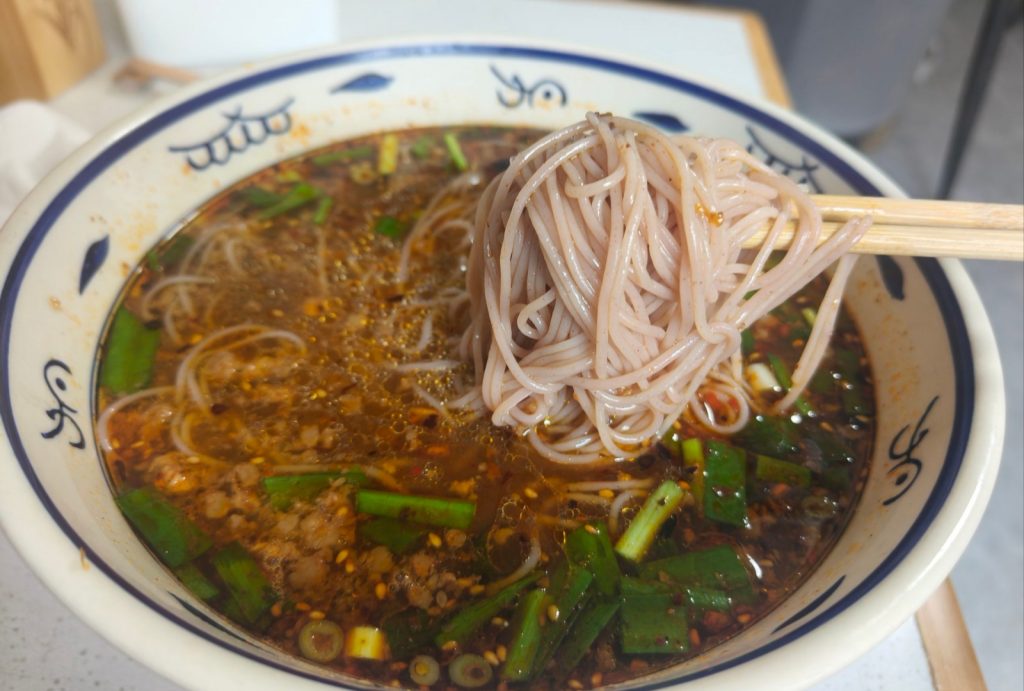
- Hani Red Rice Noodles: Made from the region’s distinctive red rice, these noodles have a slightly chewy texture and are often served in broths with fresh vegetables, offering a flavorful and traditional local meal.
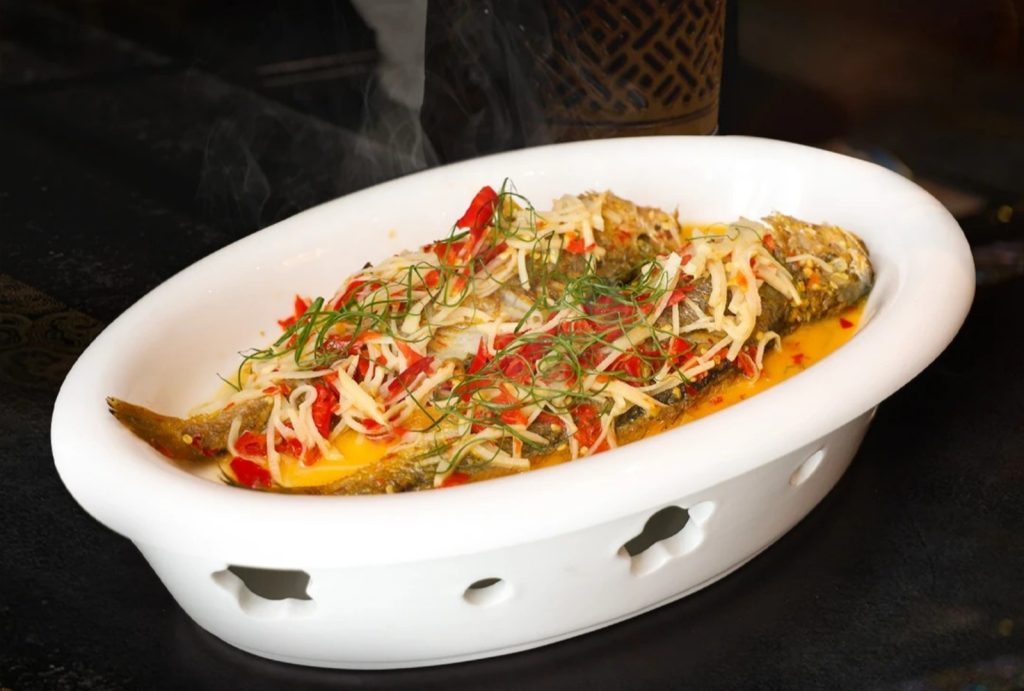
- Hani Carp: Small freshwater carp prepared using traditional Hani methods, either steamed or boiled with sour bamboo shoots (suān sǔn). The fish are bony but tender and intensely flavorful.
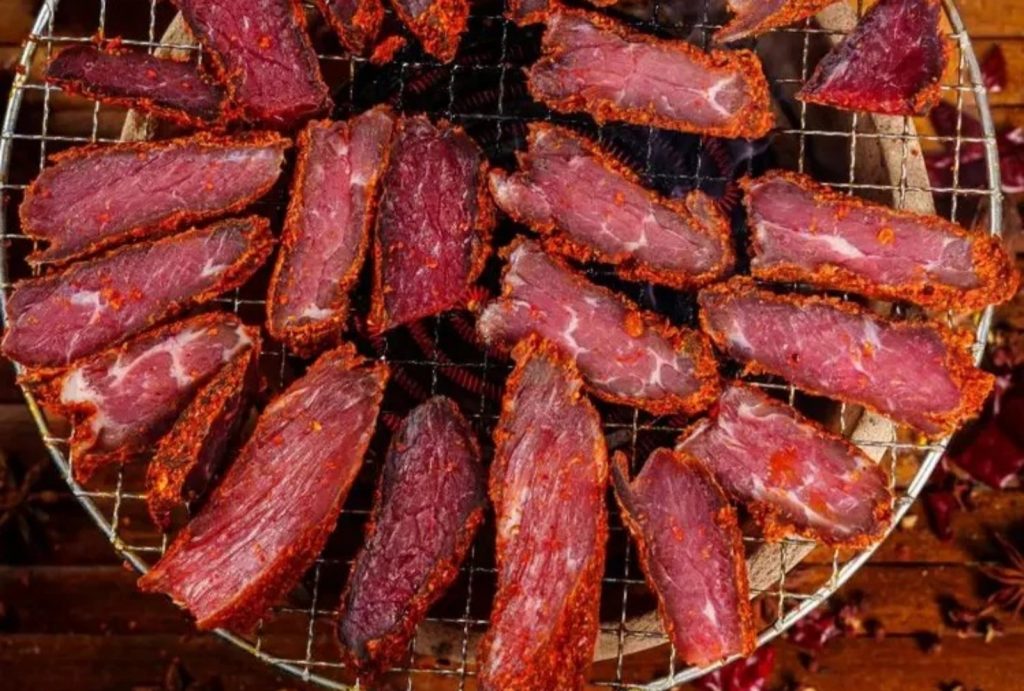
- Yuanyang Beef: Locally raised beef cooked in various styles, from stir-fry and hotpot to dry-cured preparations, known for its rich taste and succulent texture.
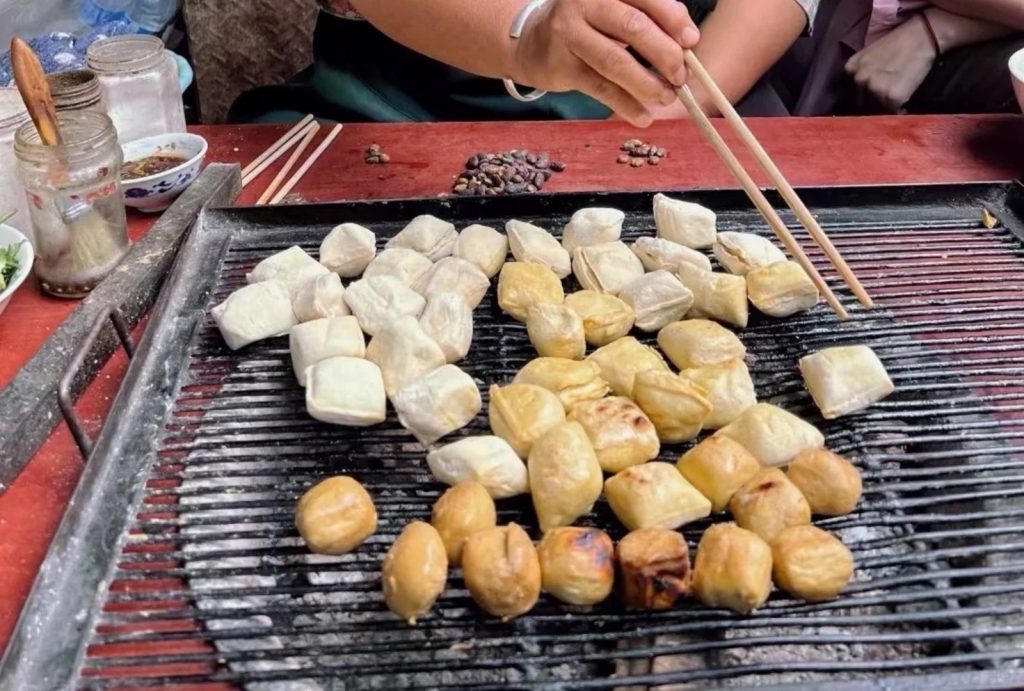
- Roasted Tofu: A vegetarian favorite, marinated and roasted to achieve a crisp exterior while keeping the inside soft and flavorful.
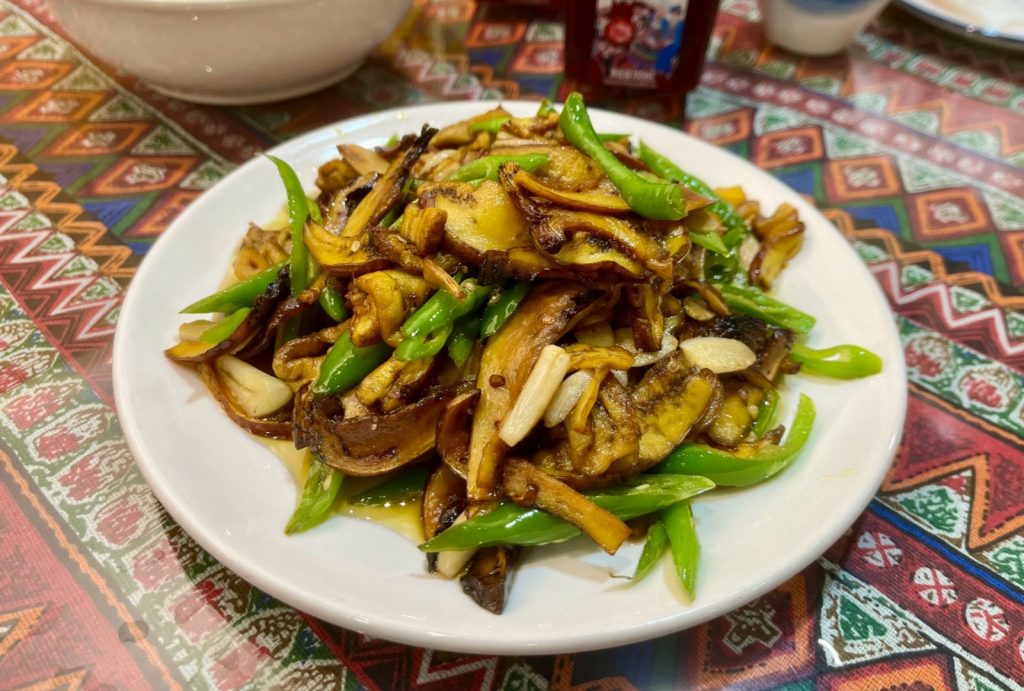
- Wild Mushroom Stir-fry: Made with fresh seasonal mushrooms foraged from local forests, stir-fried with vegetables and light seasoning to highlight earthy flavors.
Local markets are perfect for tasting these dishes and other street foods while exploring villages.
Essential Travel Tips for Visiting Yuanyang
Yuanyang is a remote destination, and careful planning can make your visit smoother and more enjoyable. Here are some practical tips for travelers:
Packing Essentials
Bring comfortable walking shoes, warm clothing for early mornings, and rain gear during the wet season. A good camera or smartphone with extra batteries is essential for capturing the terraces.
Cultural Etiquette
Respect local customs when visiting Hani villages. Ask permission before taking photos of people, and be mindful of farming activities and traditional ceremonies.
Photography Planning
Plan your terrace visits around lighting and weather conditions. Checking the local weather forecast and arriving early at popular spots like Duoyishu and Laohuzui helps you capture the best images without crowds.
Yuanyang captivates visitors with its stunning rice terraces, Hani villages, and seasonal landscapes, offering a unique blend of natural beauty, culture, and photography opportunities. With careful planning, travelers can experience sunrise reflections, local festivals, authentic cuisine, and traditional Hani life, making the journey truly unforgettable.
❓FAQs (Frequently Asked Questions)
Where is Yuanyang and what makes it famous?
Yuanyang is a remote county in Yunnan Province, China, renowned for its UNESCO-listed Hani rice terraces, traditional Hani villages, and breathtaking seasonal landscapes. The terraces, carved over 1,300 years, are a living example of sustainable agriculture.
What is the best time to visit Yuanyang rice terraces?
The best time to visit Yuanyang is during April–May for the flooded terraces reflecting the sky, and September–October for the golden harvest and vibrant festivals. Early mornings and late afternoons are ideal for photography, especially at Duoyishu and Laohuzui.
What local food and dishes should I try in Yuanyang?
Yuanyang is famous for Hani Red Rice, Hani Red Rice Noodles, Hani Carp, Yuanyang Beef, roasted tofu, and wild mushroom stir-fry. Local markets like Xinjie Market are perfect for tasting these traditional dishes.
Is Yuanyang suitable for family travel?
Yes. Families can enjoy easy village walks, terrace viewpoints, and cultural experiences, while quieter seasons make it easier for children and elderly travelers to explore safely.
What is the climate like in Yuanyang?
Yuanyang has a subtropical highland climate, with mild winters and warm, wet summers. Rainfall peaks from May to September, which affects terrace flooding and trekking conditions.