Unusual Things to Do in Shanghai: Unique Local Experiences
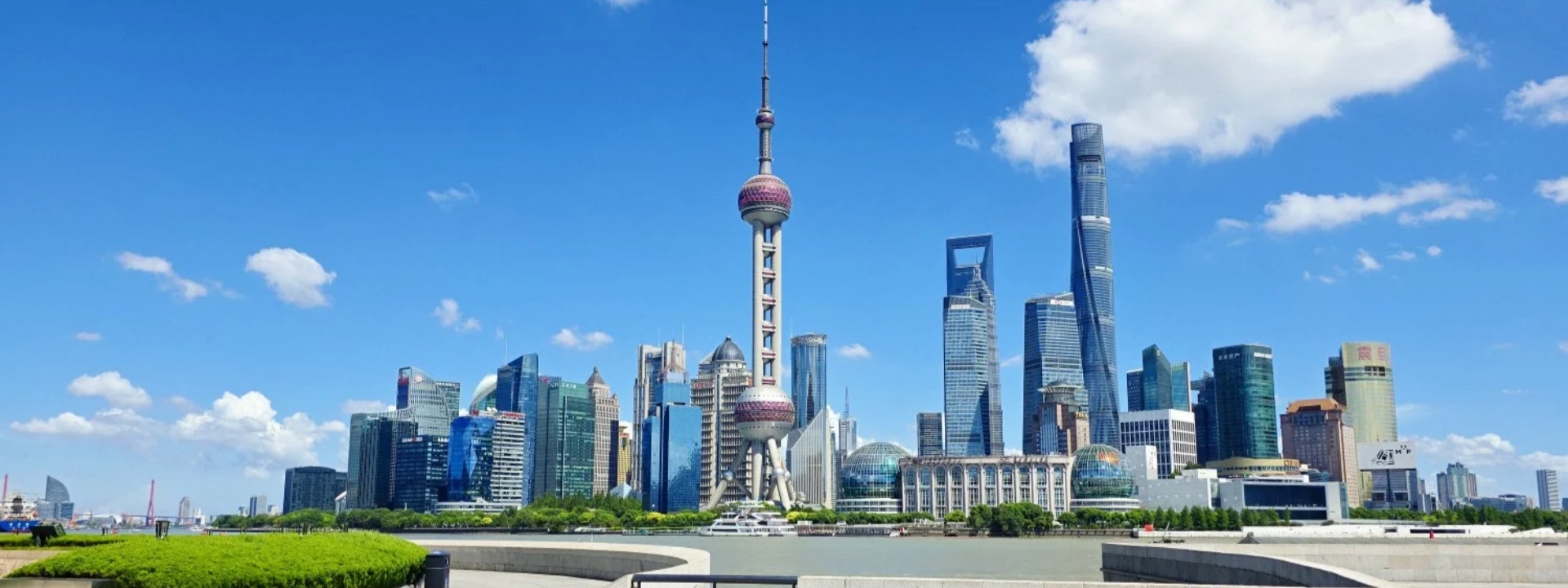
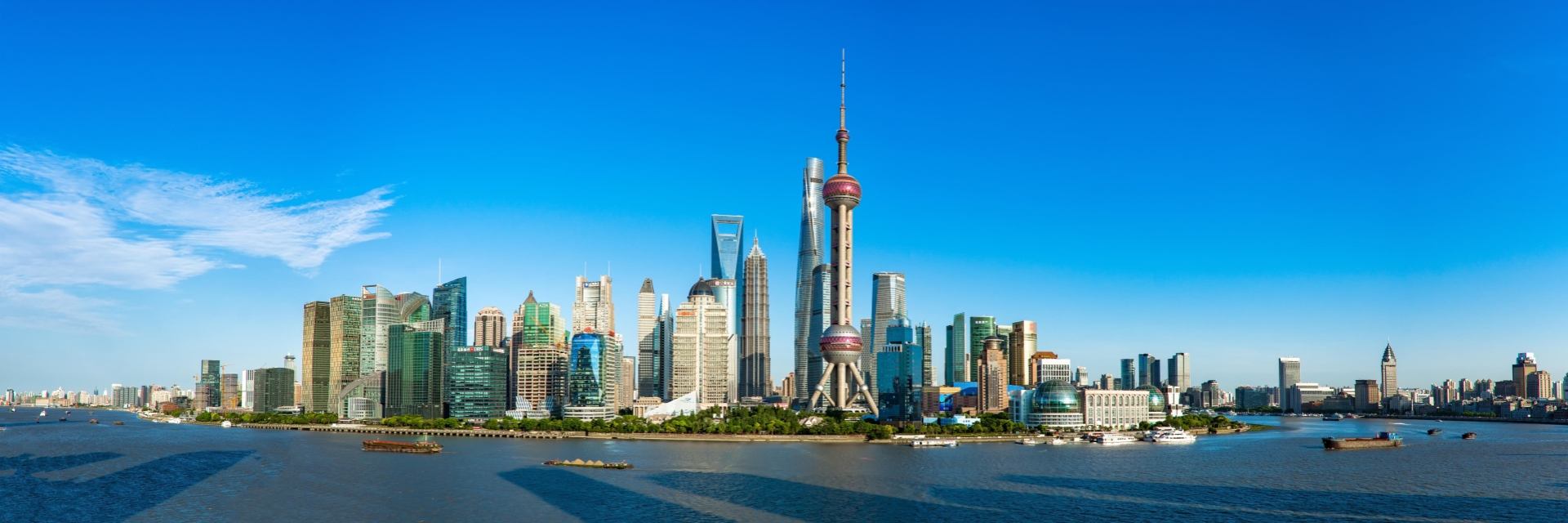
Walking along the Bund at night and watching the neon-lit Lujiazui skyline reflect on the Huangpu River is one of Shanghai’s classic experiences. While these iconic places are worth visiting, the city has another side that many travelers miss.
Beyond the major attractions, Shanghai offers unusual experiences that reveal its local culture, history, and everyday life. You can explore old lilong neighborhoods hidden between modern buildings, discover unexpected museums, watch traditional morning activities in local parks, or taste breakfast the way Shanghai residents do.
Whether this is your first visit or you are returning for a deeper look at the city, these unusual things to do in Shanghai will help you see a different side of one of China’s most dynamic cities.
Best Unusual Shanghai Experiences by Traveler Type
| Traveler Type | Recommended Experiences |
|---|---|
| First-time visitors | Shanghai breakfast, lilong neighborhoods, People’s Park Marriage Market |
| Repeat visitors | 1933 Old Millfun, wet market, local parks |
| Culture lovers | Small museums, People’s Park Marriage Market, Lilong neighborhoods |
| Photography lovers | Wukang Road, 1933 Old Millfun, Shanghai waterfront |
| Food lovers | Traditional breakfast, wet markets, local neighborhoods |
| Travelers with limited time | Local breakfast, People’s Park, Huangpu River Ferry |
Quick Guide: Unusual Things to Do in Shanghai
Experience Local Shanghai Life
Discover Shanghai’s Hidden History and Culture
Enjoy Shanghai Like a Local
Unique Shanghai Experiences for First-Time Visitors
What Makes Shanghai an Unusual City to Explore?
Shanghai is a city of contrasts. Modern skyscrapers stand beside historic lanes, former industrial buildings have become creative spaces, and everyday traditions continue in busy urban neighborhoods.
The city’s unusual side is often found in ordinary places rather than major landmarks. Local breakfast shops, community parks, wet markets, and old residential lanes offer a closer look at how Shanghai’s history and modern life exist side by side.
Explore Shanghai Through These Unusual Experiences
The following experiences are not just places to check off a list. They are opportunities to slow down, observe daily life, and see how Shanghai’s past and present exist side by side.
Visit the Marriage Market at People’s Park
Best for: Travelers interested in local culture and social customs.
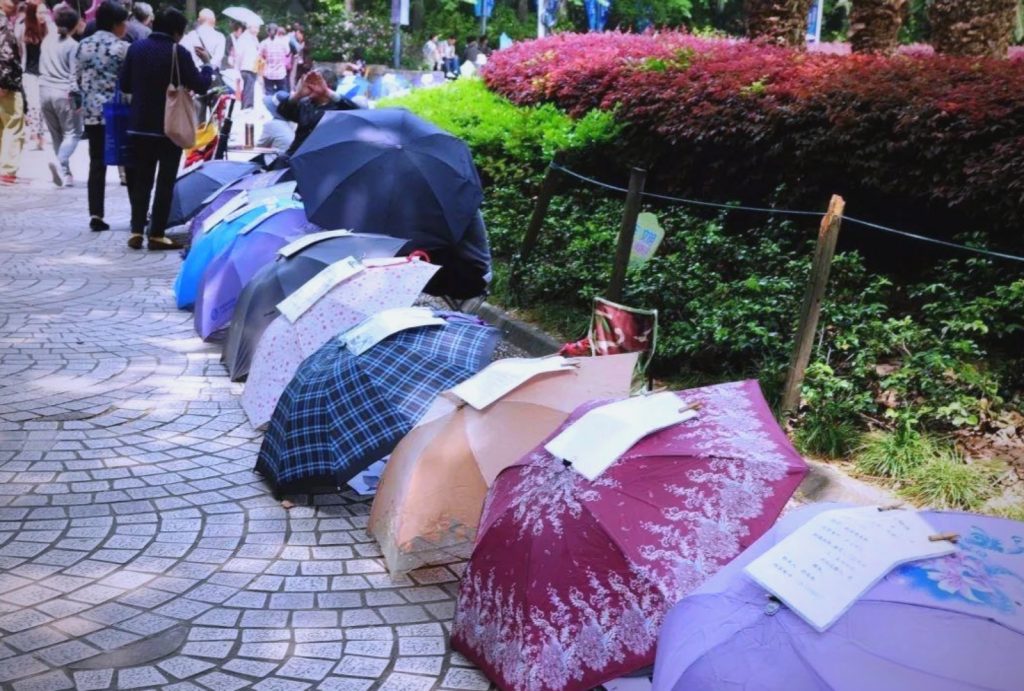
On weekend afternoons, People’s Park becomes Shanghai’s famous Marriage Market, where parents gather with handwritten profiles to seek potential matches for their unmarried children.
Unlike a typical tourist attraction, this is a real community activity rather than a performance. It offers visitors a glimpse into family expectations and changing attitudes toward marriage in contemporary China.
- Location: People’s Park, 231 West Nanjing Road, Huangpu District
- Best Time to Visit: Weekends, especially from around noon to late afternoon.
- Admission: Free
- Recommended Time: 30–60 minutes
Tip: This is a serious event for the locals. Be respectful and avoid taking close-up photographs of people or their children’s personal information without permission.
Walk Through Shanghai’s Historic Lilong Lanes
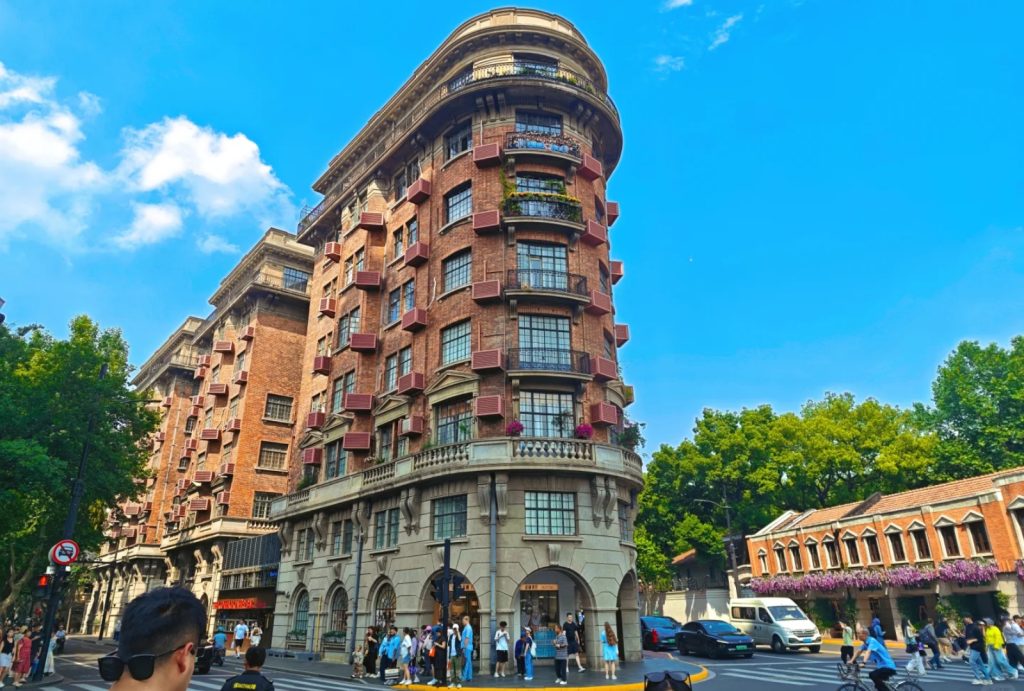
Behind Shanghai’s skyscrapers are quiet residential lanes known as lilong (里弄), where travelers can discover an older side of the city.
Many lilong neighborhoods are built around shikumen houses, a unique architectural style that blends traditional Chinese courtyard layouts with Western influences. As you walk through these narrow lanes, look closely at the details — old door frames, balconies, small shops, and signs of everyday life that have remained for decades.
The streets around Wukang Road, Sinan Road, and other parts of the former French Concession are particularly interesting for travelers who enjoy architecture and photography.
- Location: Mainly Xuhui and Huangpu districts
- Opening Hours: Open areas can generally be explored throughout the day
- Admission: Free
- Recommended Time: 1–2 hours
Tip: Morning or late afternoon is ideal for walking and photography. Remember that many of these areas are still residential neighborhoods.
Start Your Day with a Local Shanghai Breakfast
Shanghai’s breakfast culture is one of the easiest ways to experience the city’s everyday rhythm.
Instead of starting your day at an international hotel breakfast, visit a small neighborhood breakfast shop and see what locals eat before work. Popular choices include shengjian bao (pan-fried buns), xiaolongbao (steamed soup dumplings), ci fan (sticky rice rolls), youtiao (fried dough sticks), and soy milk.
For a more convenient introduction to Shanghai food, Wujiang Road offers several local dishes in one easy-to-reach area. For a more everyday experience, look for small breakfast shops near residential neighborhoods or local markets.
The experience is simple, but that is exactly what makes it interesting. You are not visiting a special attraction; you are joining one of the city’s everyday routines.
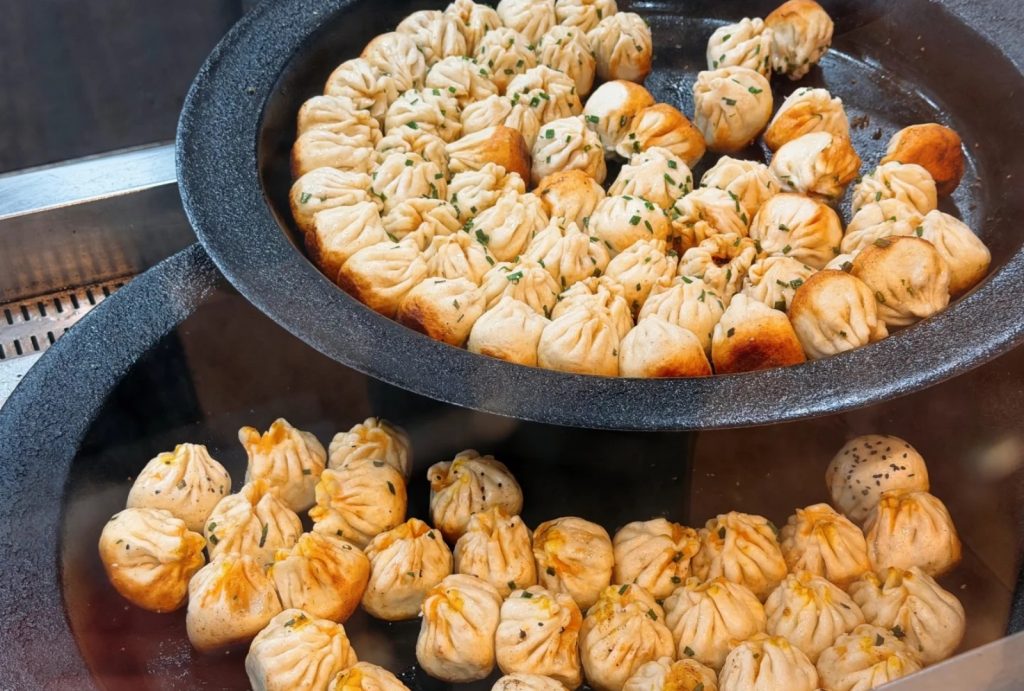

- Location: Neighborhood breakfast shops and food streets such as Wujiang Road
- Opening Hours: Usually 6:00 AM–10:00 AM for breakfast shops, although individual shops vary
- Cost: Around CNY 10–30 per person, depending on what you order.
- Recommended Time: 30–60 minutes
Tip: Go early. Many traditional breakfast shops operate mainly in the morning and may close before lunchtime.
Explore a Local Wet Market
To experience everyday Shanghai life, explore a neighborhood wet market where locals buy fresh produce, seafood, meat, and ingredients for home cooking.
Smaller neighborhood markets can be particularly interesting because they are closely connected with the surrounding residential communities. You may see vendors preparing fresh seafood, residents comparing prices, and neighbors stopping for a quick chat.
For travelers interested in food, the market also provides a chance to see ingredients commonly used in Shanghai cooking and observe how local shopping differs from the supermarket experience familiar to many international visitors.
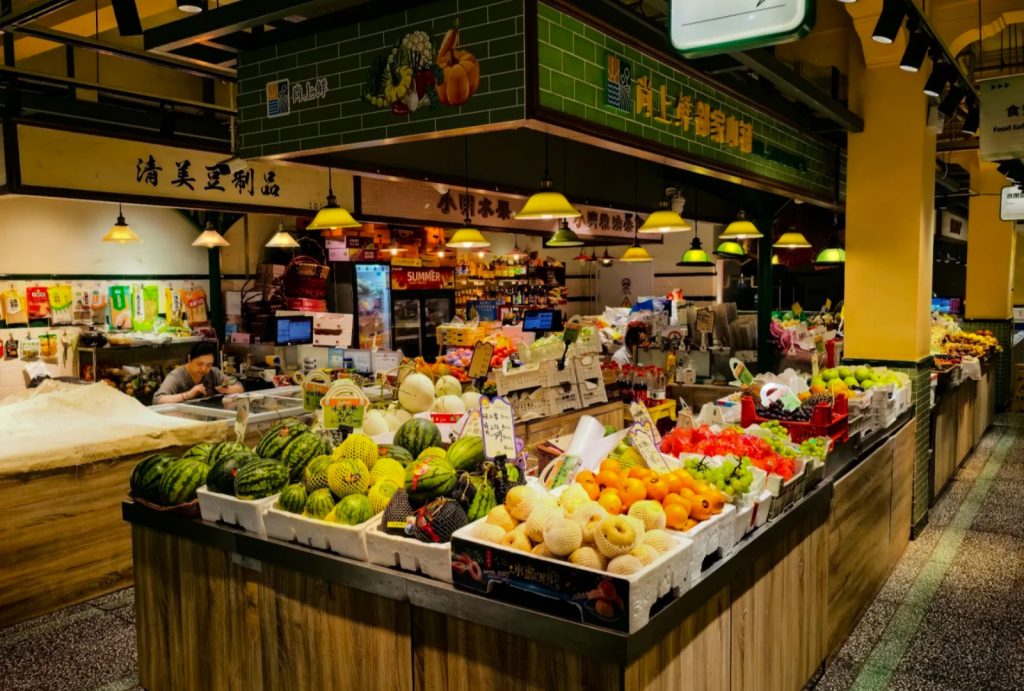
- Location: Neighborhoods across Shanghai
- Typical Hours: Early morning to late afternoon, although individual markets vary.
- Admission: Free
- Recommended Time: 30–60 minutes
Tip: Markets can be wet, crowded, and busy, so wear comfortable shoes and keep your belongings secure. Some vendors may accept mobile payments only, while others may prefer cash.
Explore 1933 Old Millfun: Shanghai’s Most Unusual Building
Best for: Architecture lovers, photographers, and travelers looking for off-the-beaten-path experiences.
1933 Old Millfun is one of Shanghai’s most unusual architectural landmarks.
Built in 1933 as a large-scale slaughterhouse, walking through its circular corridors, ramps, and open spaces, you can still feel the scale and structure of its industrial past. The combination of old concrete architecture and modern creative spaces makes it one of Shanghai’s most interesting photography locations.
Today, the former industrial building has been transformed into a creative space with restaurants, offices, and art events. Visitors can walk through its unusual interior spaces and photograph the contrast between the historic structure and its modern use.
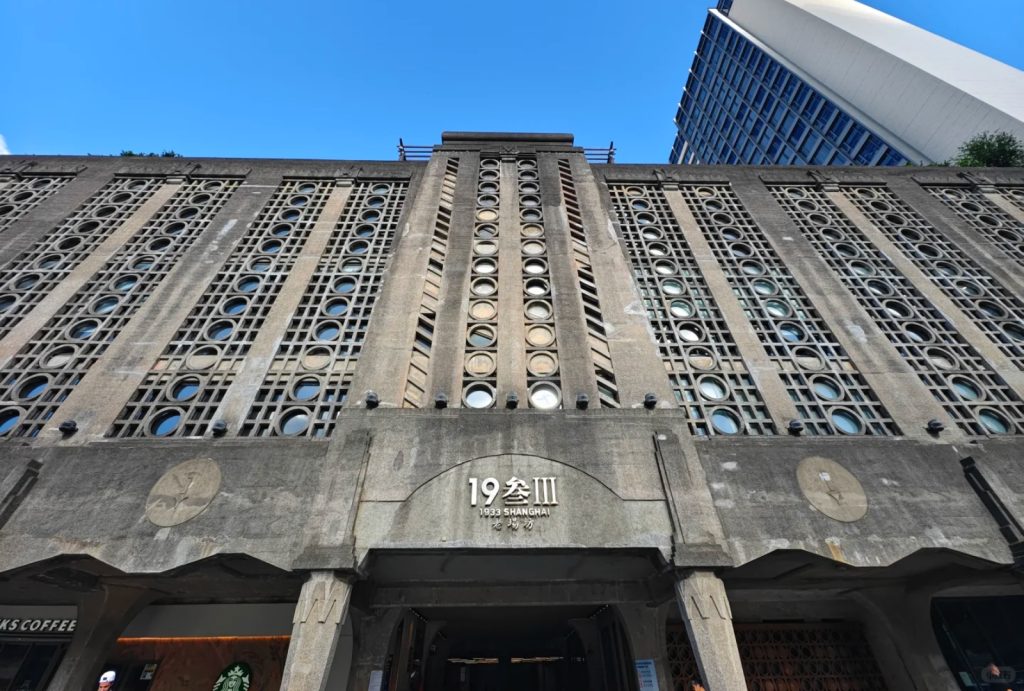
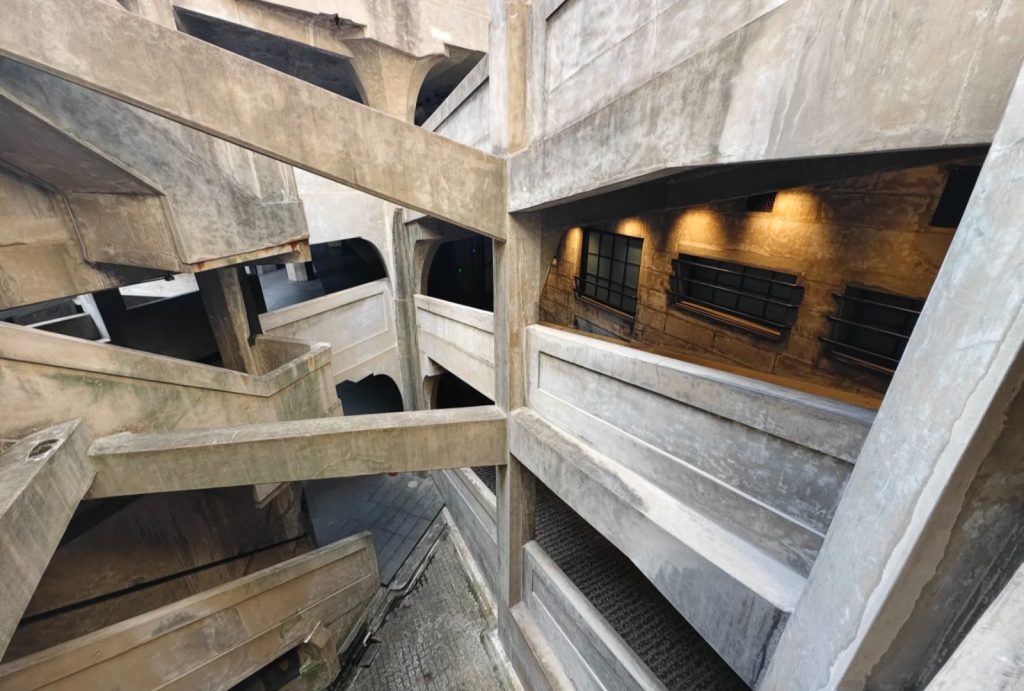
- Location: No.611 Liyang Road, Hongkou District
- Opening Hours: Around 9:00 AM–10:00 PM (individual businesses may vary)
- Admission: Free for the building’s public areas
- Recommended Time: 1 hour
Tip: Visit between 3:00 PM and 5:00 PM if photography is a priority. Natural light through the building’s distinctive concrete latticework can highlight its unusual geometric structure.
Discover Shanghai’s Smaller and More Unusual Museums
Best for: History enthusiasts and travelers interested in Chinese culture.
Beyond Shanghai Museum, the city has many smaller museums that reveal unusual stories about Shanghai’s history and culture.
Places such as the Shanghai Propaganda Poster Art Centre, and Shanghai Postal Museum offer different perspectives on the city’s past, from social history to international connections.
| Museum | Opening Hours | Admission | Address | What Makes It Special |
|---|---|---|---|---|
| China Securities Museum | Tuesday–Sunday: 9:30 a.m.– 4:00 p.m.; last admission at 3:30 p.m.; closed on Mondays | Free. Reservation is not required for individual visitors | 15 Huangpu Road, Hongkou District | Explores the history of China’s securities market and the Shanghai Stock Exchange |
| Shanghai Postal Museum | Tuesday–Sunday: 9:00 a.m. – 5:00 p.m.; last entry at 4:00 p.m.; closed on Mondays | Free. | No. 395 Tiantong Road, Hongkou District | Combines postal history with a distinctive historic building |
| Shanghai Propaganda Poster Art Center | Tuesday–Sunday: 10:00 a.m. – 5:00 p.m.; closed on Mondays | CNY 25 per person | Suite K, 7th Floor, Huamin HanZun International Business Building, 726 Yan’an West Road, Changning District. | Displays Chinese propaganda posters and related visual materials from the 20th century |
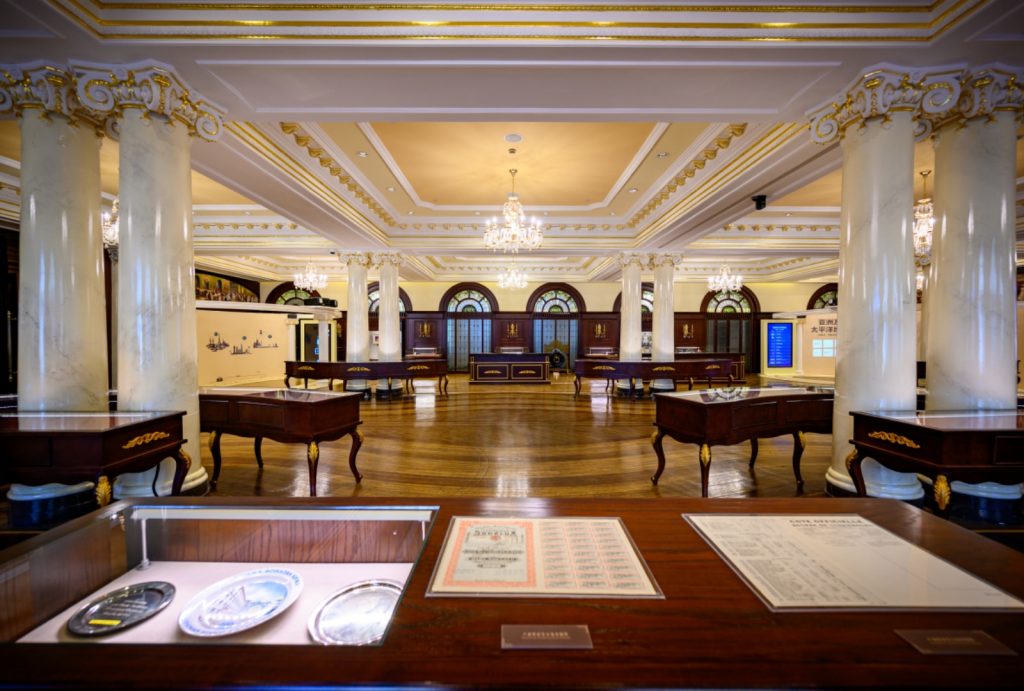
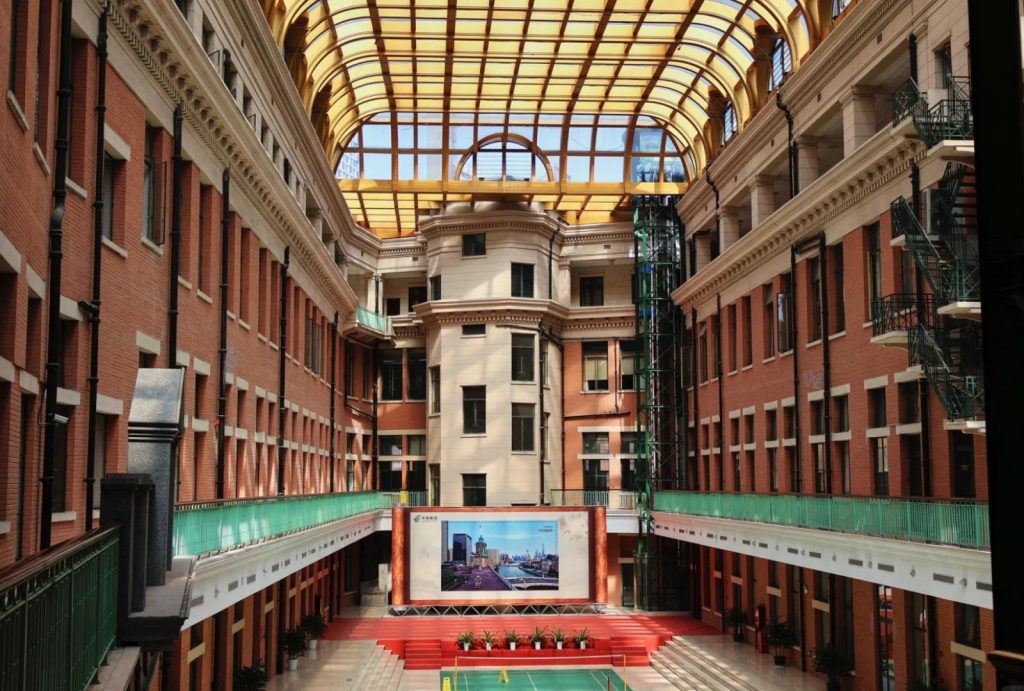
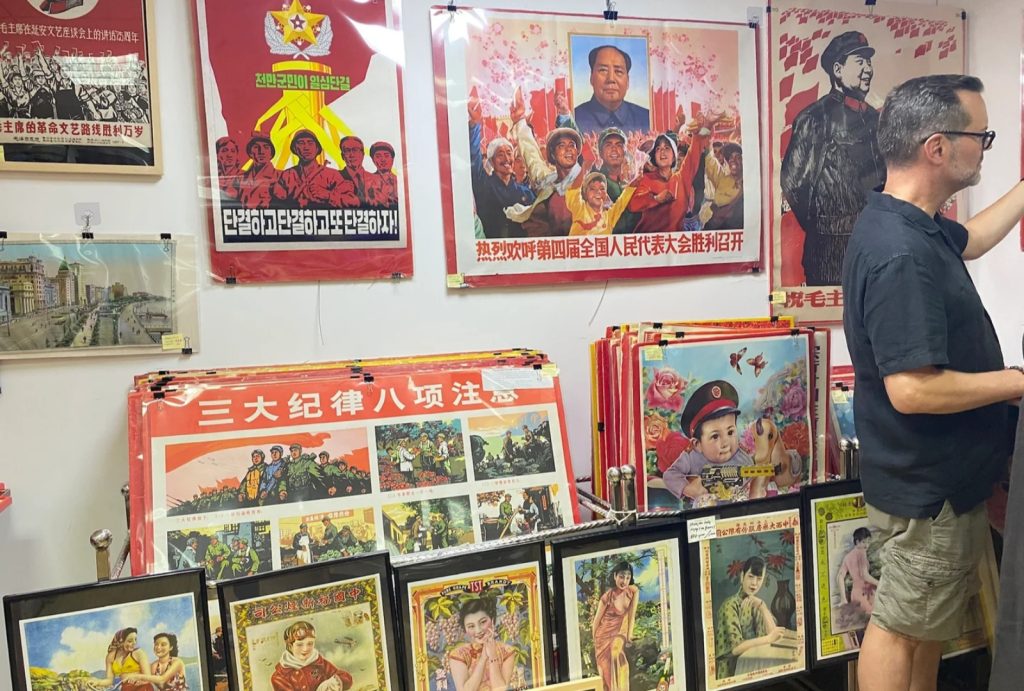
Tip: Opening hours can change because of holidays, exhibitions, or temporary arrangements. Check the latest information before visiting.
Explore Shanghai’s Creative Side at M50
M50 Creative Park shows how Shanghai transforms old industrial spaces into modern art districts. Developed from former factory buildings, the area now contains galleries, studios, and exhibition spaces.
It is a good alternative experience for travelers interested in contemporary art, photography, and Shanghai’s creative side.
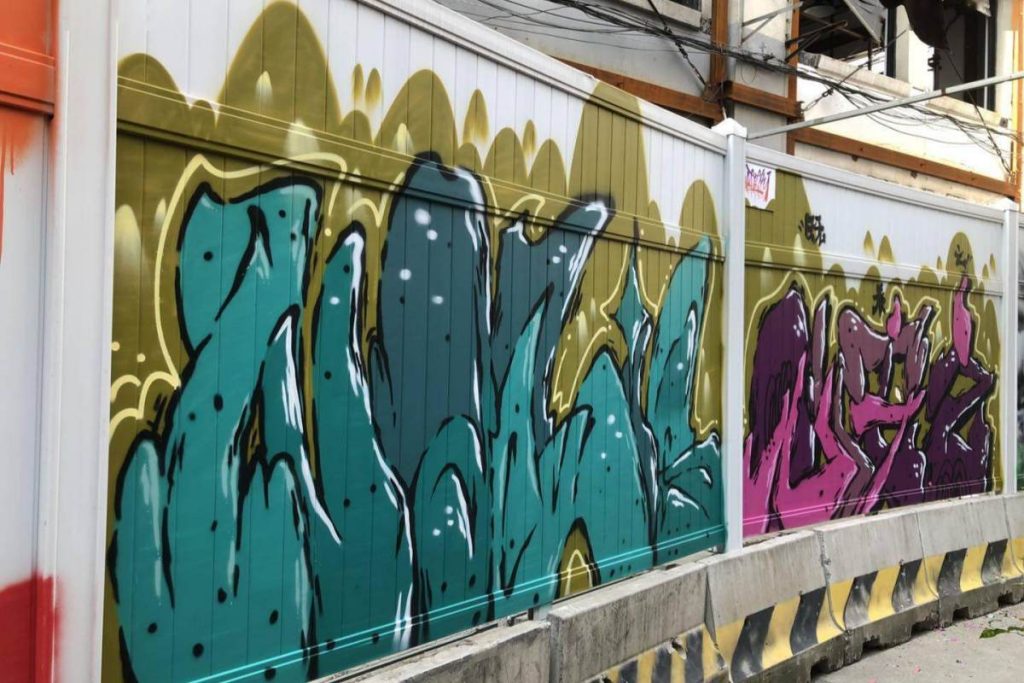
- Location: No.50 Moganshan Road, Putuo District
- Opening Hours: Around 10:00 AM–6:00 PM (gallery hours vary)
- Admission: The creative park is generally free, but individual exhibitions or events may charge a fee.
- Recommended Time: 1–2 hours
Tip: Weekdays are usually quieter and better for exploring galleries. If you are particularly interested in contemporary art, check individual gallery schedules before visiting.
Ride the Shanghai Maglev Train
Best for: Technology enthusiasts, families, and first-time visitors.
The Shanghai Maglev Train is not just transportation—it is an unusual travel experience itself.
Connecting Shanghai Pudong International Airport and Longyang Road Station, the Shanghai Maglev can reach speeds of more than 300 km/h on some services, depending on operating conditions. It is one of Shanghai’s most distinctive transport experiences and gives visitors a chance to experience magnetic-levitation rail technology as part of a normal city journey.
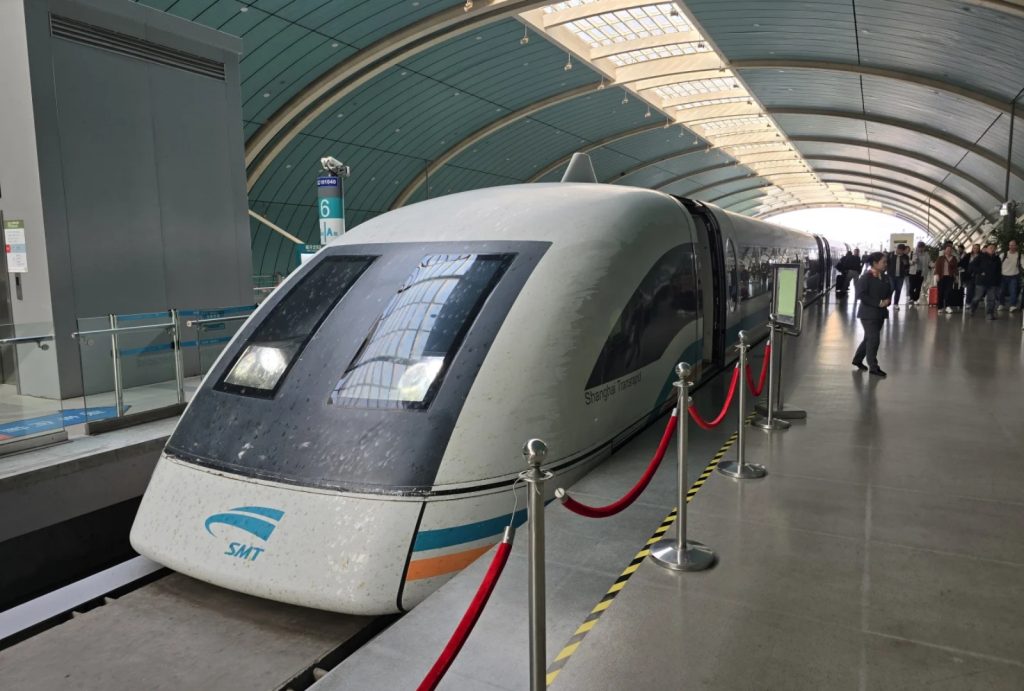
- Route: Longyang Road Station – Shanghai Pudong Airport Station
| Direction | First Train | Last Train | Journey Time |
|---|---|---|---|
| Longyang Road → Pudong Airport | 6:45 AM | 9:40 PM | About 8 minutes |
| Pudong Airport → Longyang Road | 7:02 AM | 9:42 PM | About 8 minutes |
The official passenger notice also lists a 15–20 minute service interval, depending on the time of day.
The current standard fares listed by the Shanghai Maglev operator are:
| Economy | VIP | Valid period | |
|---|---|---|---|
| Standard single trip | 50 CNY | 100 CNY | one day |
| Standard round trip | 80 CNY | 160 CNY | seven days |
A discounted fare may be available for passengers with a same-day flight ticket. Check the current conditions before purchase.
See Shanghai’s Everyday Life in Local Parks
If you visit Fuxing Park around 7:00 AM, the atmosphere is very different from Shanghai’s main
tourist areas. You may see groups practicing tai chi, dancing, singing, or playing chess before the workday begins.
Fuxing Park offers a classic local experience in the former French Concession, while People’s Park is another convenient option in central Shanghai to observe everyday city life.
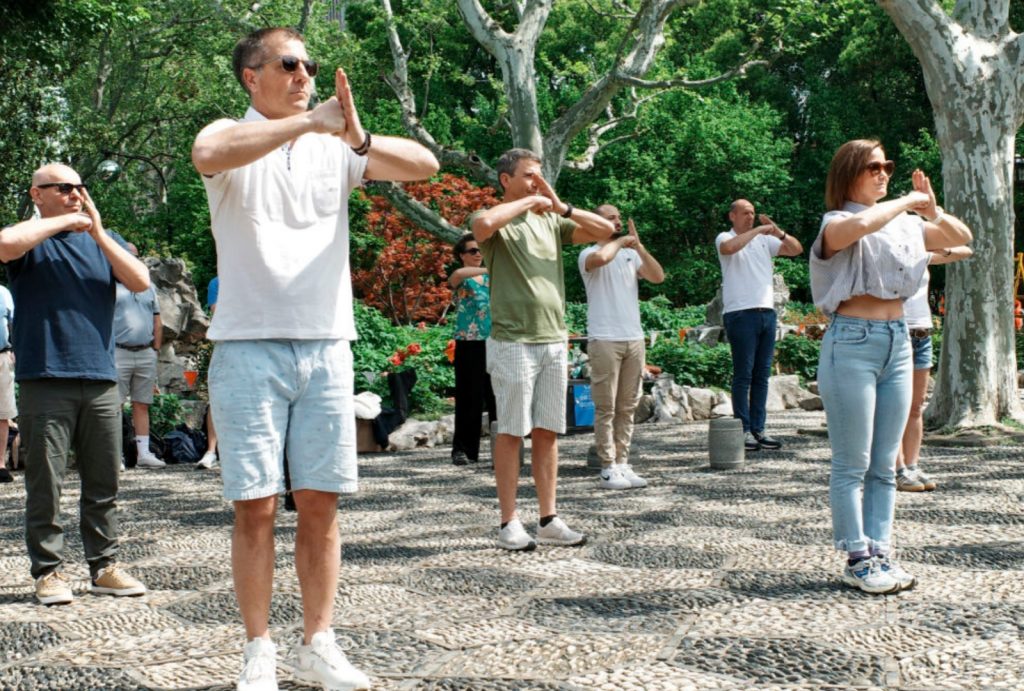
- Location: Fuxing Park, People’s Park, and other parks across Shanghai
- Best Time: Early morning, usually before 8:00 a.m.
- Admission: Free
- Recommended Time: 30–60 minutes
Tip: Visit early to see the parks at their liveliest. You can also pick up a jianbing (Chinese crepe) nearby for a simple local breakfast. When taking photos, respect people’s privacy.
Discover a Different Side of Shanghai’s Waterfront
The Bund is Shanghai’s most famous waterfront, but the Huangpu River has many other areas worth exploring.
For a quieter experience, consider the North Bund or Yangpu Riverside. These areas combine riverside walking paths, former industrial sites, modern architecture, and views of Shanghai’s changing skyline.
The experience is less about checking off a landmark and more about seeing how Shanghai has transformed its waterfront over time.
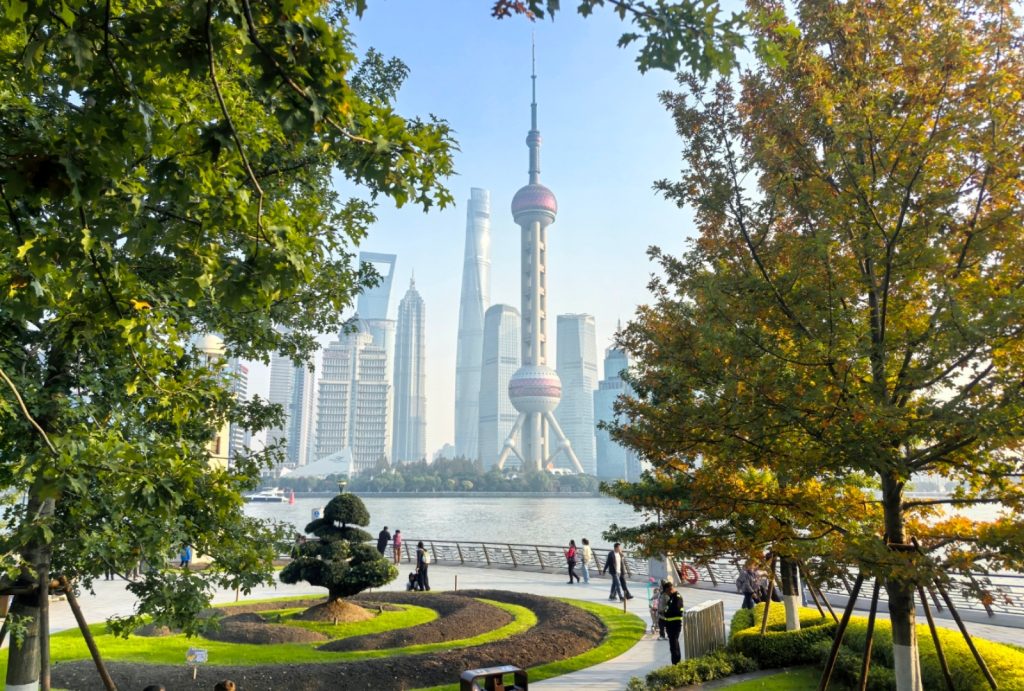
- Location: North Bund or Yangpu Riverside
- Opening Hours: Outdoor areas can generally be explored throughout the day
- Admission: Free
- Recommended Time: 1–2 hours
Tip: Late afternoon is a good time to visit. You can walk along the river before sunset and stay to see the skyline light up after dark.
Take a Huangpu River Ferry Like a Local
Best for: Budget travelers, photographers, and first-time visitors.
If you want a Huangpu River experience without joining a sightseeing cruise, try taking the public ferry. It is a small part of local daily transportation, but it also offers some of the city’s best-value river views.
Shanghai currently has 17 regular ferry lines serving nearly 34 ferry stations along the Huangpu River. For visitors, three lines are particularly useful for combining local transportation with river views: the Taigong Line, Dongfu Line, and Dongjin Line.
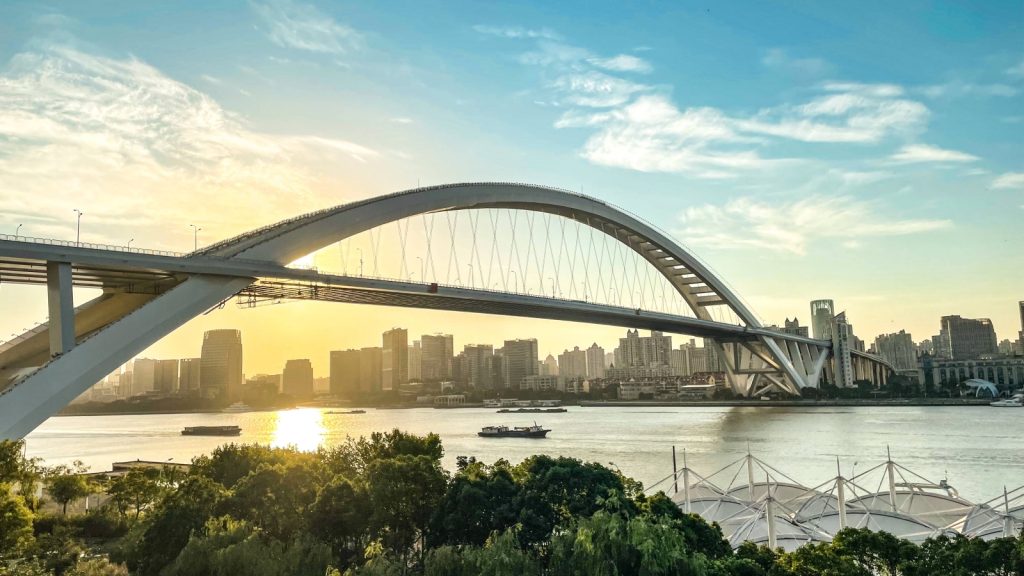
The Taigong Line is a good option around sunset, while the Dongfu Line is suitable for evening views of Shanghai’s illuminated skyline. The Dongjin Line provides a daytime crossing with views toward the Lujiazui area.
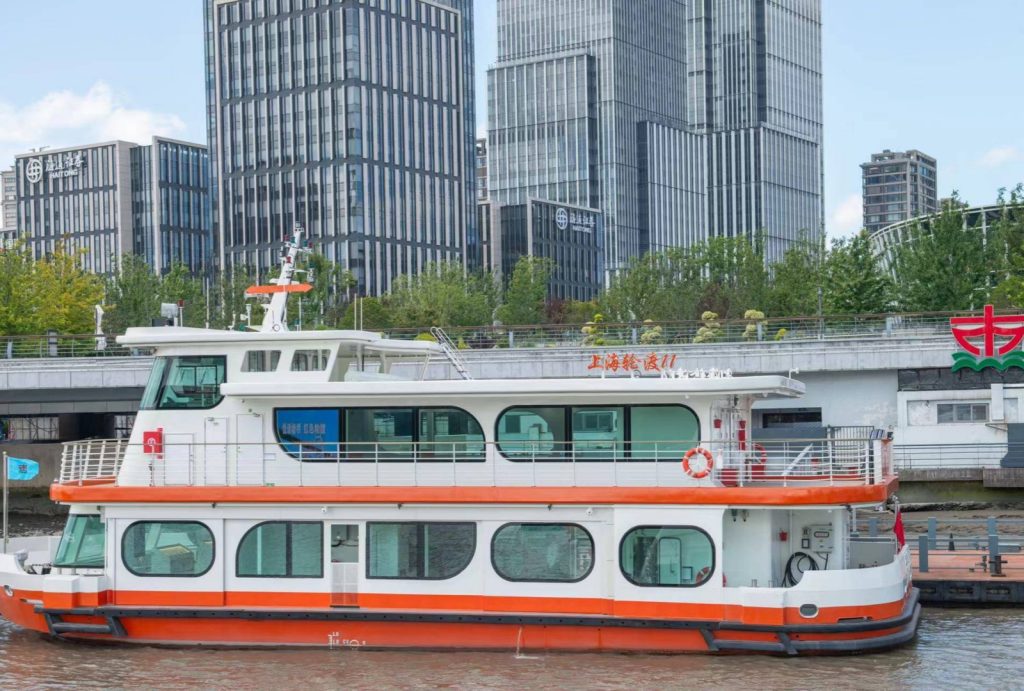
- Operating Hours: Routes and operating hours vary by ferry line
- Typical Fare: Often around CNY 2, although fares may vary by route.
- Recommended Time: 20–40 minutes
Tip: Ferry schedules can change because of weather, holidays, or temporary traffic arrangements. Check the latest information on the official Shanghai ferry service page before setting out.
Best Time to Visit Shanghai
Shanghai can be visited throughout the year, but the weather makes a noticeable difference when you plan to spend time walking outdoors.
- Spring (March–May)
Spring is generally comfortable for walking, exploring historic neighborhoods, and visiting parks. Rainy periods can occur, so bring a light rain jacket.
- Summer (June–August)
Summer is hot and humid, Shanghai’s plum rain season, usually from June to July, can bring frequent rain and overcast weather, while thunderstorms and heavy showers may also affect outdoor plans.
- Autumn (September–November)
Autumn is generally comfortable for city walks and outdoor sightseeing. September and October are particularly suitable for combining different neighborhoods and riverside areas, although public holidays can be busy.
- Winter (December–February)
Winter is cooler and can feel damp. It can still be a good time for museums, cafés, shopping, food experiences, and indoor attractions.
For most travelers, April–May and September–November are among the most comfortable periods for exploring Shanghai on foot.
How Many Days Do You Need in Shanghai?
For most travelers, 3–4 days in Shanghai is enough to combine the city’s famous landmarks with unusual local experiences and time to try Shanghai’s local food. If you want to explore at a slower pace or take a day trip, consider staying 4–5 days.
- 1–2 days: Focus on a few unusual experiences, such as a local breakfast, People’s Park, a lilong neighborhood, and a Huangpu River ferry ride.
- 3–4 days: Add museums, 1933 Old Millfun, M50, local markets, classic attractions, and more time to explore Shanghai’s local cuisine.
- 4–5 days: Allow more time for neighborhood exploration, local food, or a day trip outside the city.
If your main interest is discovering a different side of Shanghai, 3 days can be enough if you group experiences by area and leave some flexibility to explore local neighborhoods and try different dishes along the way.
How to Get Around Shanghai
Shanghai’s extensive public transportation network makes it easy to explore different parts of the city.
- Metro: Usually the most practical way to travel around central Shanghai.
- Taxi or ride-hailing: Useful for destinations farther from Metro stations or when traveling with luggage.
- Private transfer: Ideal for airport transfers, families, seniors, or tight schedules. It is also convenient for a Zhujiajiao day trip with direct door-to-door travel from central Shanghai.
- Walking: Ideal for Wukang Road, lilong neighborhoods, the Former French Concession, and other historic areas.
- Ferry: The Huangpu River ferry is both transportation and a sightseeing experience.
- High-speed rail: If Shanghai is part of a multi-city China itinerary, high-speed rail is an efficient way to travel to destinations such as Beijing, Hangzhou, Suzhou, Nanjing, or Xi’an.

Tips for Exploring Unusual Places in Shanghai
A few simple tips can help you enjoy Shanghai’s lesser-known places while making your trip more comfortable and flexible.
Start Early for Local Experiences
Early morning is a good time to explore local markets, traditional breakfast shops, parks, and residential neighborhoods. You can see more of everyday Shanghai before the streets become busy.
Respect Local Communities
Some unusual experiences are found in residential neighborhoods, old lanes, and community parks rather than tourist attractions. Keep noise down, avoid entering private areas, and ask before photographing local residents.
Check Opening Hours Before Visiting
Small museums, independent galleries, cultural spaces, markets, and local performances may have limited opening days or changing schedules. Check the latest information before visiting.
Be Flexible With Your Itinerary
Some of the best local experiences are not fixed attractions. A market may be busiest on a particular morning, a neighborhood may feel different at night, and a small café or gallery may close temporarily.
Leave some room in your schedule to explore nearby streets instead of planning every stop too tightly.
Don’t Expect Every Place to Be Empty
“Unusual” does not necessarily mean unknown. Some places are popular with Shanghai residents, domestic travelers, or photographers. The aim is to experience a less typical side of the city, rather than find somewhere with no other visitors.
Exploring Shanghai beyond its famous landmarks can help you understand how the city’s history, local traditions, and modern urban life fit together. Its most memorable experiences often come from unexpected places: quiet streets, historic buildings, traditional communities, and local traditions.
By exploring these unusual things to do in Shanghai, travelers can discover a more authentic side of the city and understand the unique combination of history, culture, and modern life that makes Shanghai special.
❓People Also Ask
Are unusual places in Shanghai suitable for families with children?
Many are. Local parks, traditional breakfast shops, the Shanghai Maglev, waterfront areas, and some museums can work well for families. For younger children, consider shorter walking routes and avoid planning too many residential or museum stops in one day.
How many days should I spend in Shanghai to see both famous and unusual sights?
We recommend at least 3 to 4 days. Dedicate 1.5 days to must-sees like the Bund and Yu Garden, leaving ample time to explore the French Concession, hidden museums, and local markets at a relaxed pace.
Is English widely spoken in Shanghai’s less touristy areas?
English may be limited in local markets, small restaurants, residential neighborhoods, and independent shops. Translation apps can be helpful, and having the Chinese name or address of a place on your phone makes communication easier.
Can I find vegetarian or special-diet food in Shanghai?
Yes. Shanghai has many vegetarian and international dining options. If you have specific dietary requirements, check ingredients carefully and use a translation app when ordering at local restaurants.